
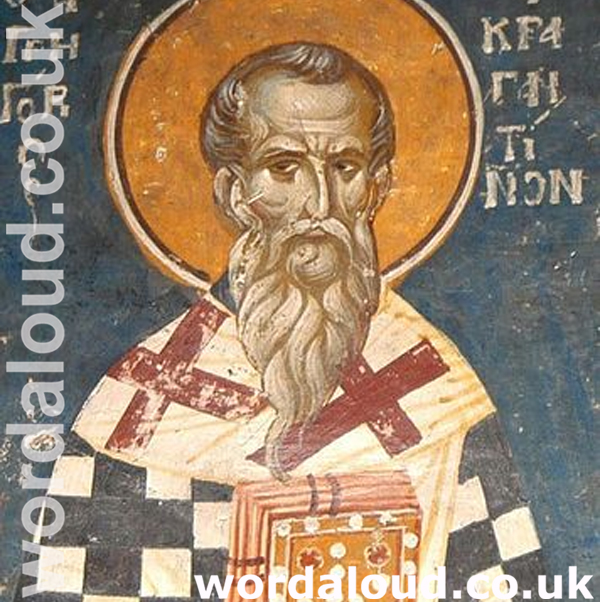
‘Come to the Lord to be enlightened.’
Saint Gregory of Agrigentum (c. 559–c. 630), also known as Saint Gregory Agrigentinus, was a Sicilian bishop renowned for his theological insight and pastoral leadership. Born near Agrigentum (modern-day Agrigento, Sicily), he embarked on a pilgrimage to the Holy Land at the age of eighteen. During this journey, he was ordained as a deacon by the Patriarch of Jerusalem. Later, while visiting Rome, he was consecrated as the Bishop of Agrigentum. His tenure as bishop was marked by a deep commitment to orthodox Christian teachings and the spiritual well-being of his community. Traditionally, he has been associated with a commentary on Ecclesiastes, though the authorship remains a subject of scholarly debate. Saint Gregory’s feast day is celebrated on November 23.
In this reading, Saint Gregory reflects on the themes presented in the Book of Ecclesiastes, emphasizing the transient nature of earthly pursuits and the importance of seeking divine wisdom. He encourages believers to recognize the vanity of worldly ambitions and to focus on spiritual growth and understanding.
A Commentary On Ecclesiastes By Saint Gregory Of Agrigentum
In the words of Ecclesiastes: Light itself is delightful, and it is a great boon for the eye to have sight of the sun. Devoid of light, the world would be without beauty and life would be lifeless. That was why Moses, who saw God, said in anticipation: And God saw the light and said that it was good. To reflect on the true and eternal light is even more fitting for us. This light is Christ who enlightens every man who comes into the world, the savior and redeemer of the world. He is the one who became man and sank to the very depths of the human condition. As David said: Sing to God a hymn to his name, make a highway for him who rises to the west. His name is the Lord, rejoice before him!
This light he called delightful and foretold that it would be good to see the sun of glory. In the days of his incarnation, he said: I am the light of the world. He who follows me will not walk in darkness but will possess the light of life. On another occasion he said: This is the judgment: the light has come into the world.
Sunlight, then, is a symbol. What we see with our eyes foretells the coming of the Sun of Justice. He was a most delightful light for those who were worthy to be instructed by him personally. He was also a radiance to those who saw him with their bodily eyes when he lived on earth as a man among men. It was not just any man they saw, for he was true God. He made the blind see, the lame walk, and the deaf hear. He cleansed the lepers, and by a simple command he raised the dead back to life.
Now it is our supreme delight to behold him and contemplate his divine splendor with the eyes of our spirit. When we participate in and associate with that beauty, we are enlightened and adorned and this is our delight. We take delight in being saturated with the sweetness of the Spirit, in being clothed in holiness, in achieving wisdom. Finally we are filled with a joy that comes from God and endures through all the days of our earthly life. In the wise words of Ecclesiastes: A man may live for many years, but he will experience happiness throughout his days. For all who gaze upon the Sun of Justice, he is their supreme delight. David spoke of them: Let them be joyful before God and be jubilant with joy. Indeed he even said: Rejoice in the Lord, you who are just, for praise befits those who are upright.




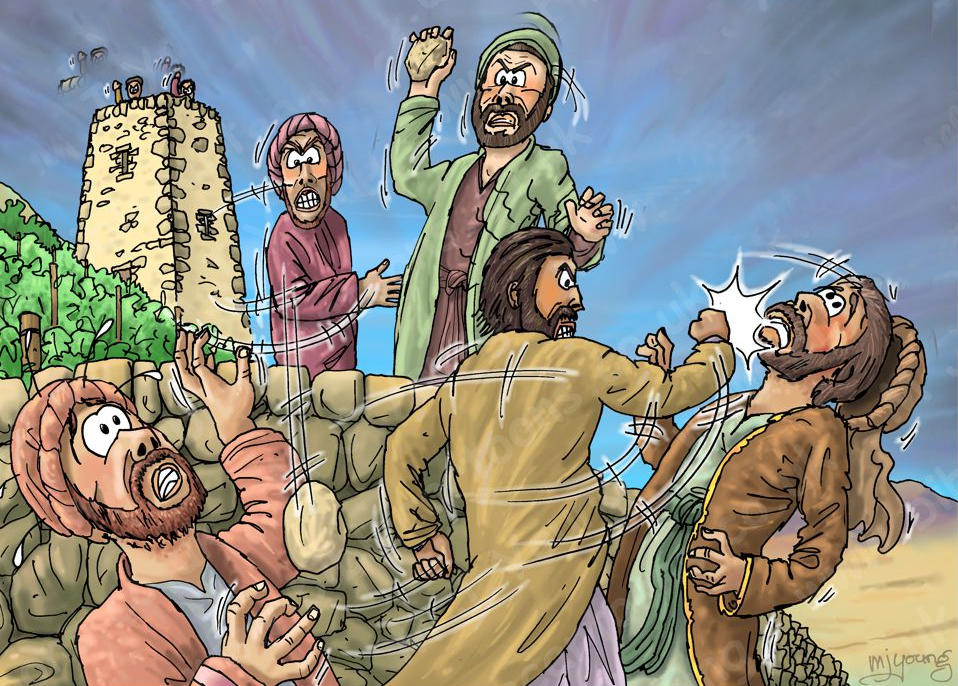
Jesus offers the parable of the wicked tenants as part of a larger discourse in which he responds, in the Temple, to the challenge of the scribes and the elders of the people concerning his authority. The parable leads the entrenched Jewish authorities to see the truth for themselves and yet still to reject the truth about themselves. Though their lives could have been enlightened by the parable, they refuse conversion and rather seek to arrest Jesus. They have the option to choose good; they choose evil [ … ]

In this poem, Herbert reflects on the limits of human strength and importance of divine assistance. The poem begins with the modest admission that ‘to write a verse or two is all the praise, / That I can raise’, indicating that any expression of gratitude or devotion Herbert offers to God is inherently limited. This acknowledgment of inadequacy runs throughout the poem, shaping a tone of humility and dependence on divine strength [ … ]
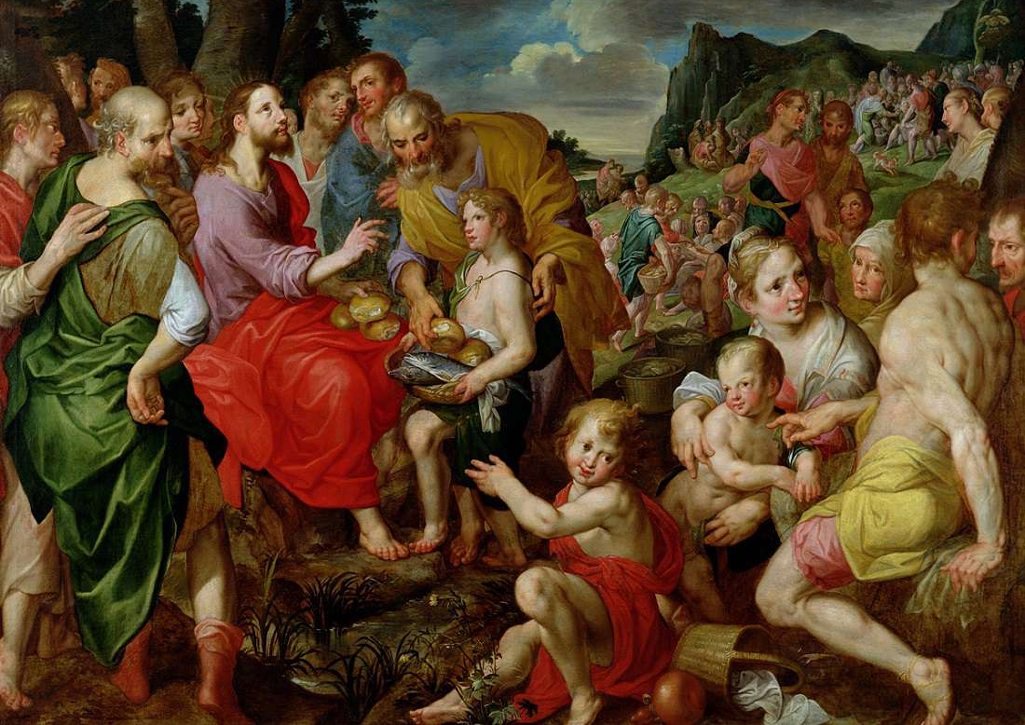
The people have gathered to be with Jesus, following Jesus on foot, out of the cities, to be near Jesus and to be healed, in a desert place. It may seem strange to us that the disciples wanted to send the people away! The disciples’ thought is that the people must go and buy themselves food to eat. Jesus knows differently. Jesus tells the disciples themselves to give the people the food they need to eat [ … ]