
‘The Altar’ by George Herbert is a Christian poem that explores the relationship between a person and God through the metaphor of an altar. It is a pattern poem, meaning that its shape on the page resembles an altar, reinforcing the poem’s theme visually.
In the poem, Herbert describes an altar made of a broken heart, cemented with tears. This suggests that the altar is not a physical structure but a symbol of the poet’s contrite and humble heart, offered to God. The act of constructing this altar signifies repentance and a desire for spiritual renewal.
The poem begins with the line, ‘A broken ALTAR, Lord, thy servant rears,’ indicating that the speaker is dedicating a broken heart to God. The use of the word ‘rears’ implies that this act of dedication is a conscious and deliberate effort. The heart, described as broken, signifies a state of humility and contrition, essential for true worship and connection with God.
Herbert continues by explaining that the altar is ‘Made of a heart, and cemented with tears’, emphasizing that the foundation of this offering is built on genuine sorrow and repentance. Tears represent the sorrow for sins and the longing for forgiveness and reconciliation with God.
The poem then reflects on the nature of this heart-altar, stating, ‘Whose parts are as thy hand did frame; / No workman’s tool hath touch’d the same.’ This means that the heart is created by God and is unaltered by human efforts. It suggests that true repentance and devotion come from a sincere, God-given place within the individual, not from external, human-made constructs.
Herbert highlights the purity and sincerity of this offering by asserting that ‘A HEART alone / Is such a stone, / As nothing but / Thy pow’r doth cut’. This suggests that only God’s power can shape the human heart into a worthy offering. The heart, like a stone, must be chiseled and refined by God’s hand to become an acceptable sacrifice.
The poem concludes with a plea for God to accept this humble Christian offering: ‘O let thy blessed SACRIFICE be mine, / And sanctify this ALTAR to be thine.’ Here, Herbert asks God to sanctify the altar—his heart—and make it holy and acceptable. This final plea underscores the poet’s deep desire for divine acceptance and transformation.


The Altar | George Herbert | Christian Poems
A broken ALTAR, Lord, thy servant rears,
Made of a heart and cemented with tears:
Whose parts are as thy hand did frame;
No workman’s tool hath touch’d the same.
A HEART alone
Is such a stone,
As nothing but
Thy pow’r doth cut.
Wherefore each part
Of my hard heart
Meets in this frame,
To praise thy name:
That if I chance to hold my peace,
These stones to praise thee may not cease.
Oh, let thy blessed SACRIFICE be mine,
And sanctify this ALTAR to be thine.

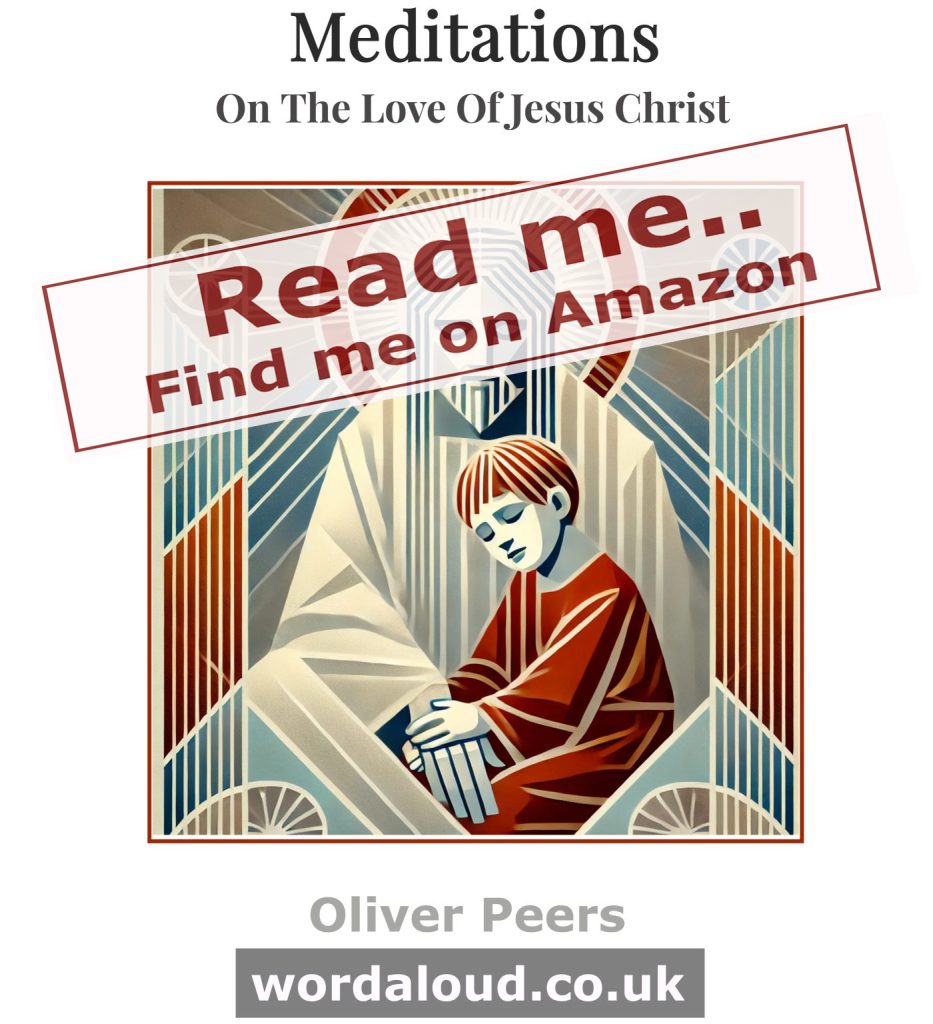

Our relationship with God is a call to love. Our Father loves us unsparingly. He gave to us and for us His only begotten Son. Christ gave himself to free us from sin and death, to reconcile us with God. All we are asked to do is to believe in Jesus and to respond to God’s immeasurable love with a reciprocal love, through faith in Christ. It is through love and faith that we discover our dignity [ … ]
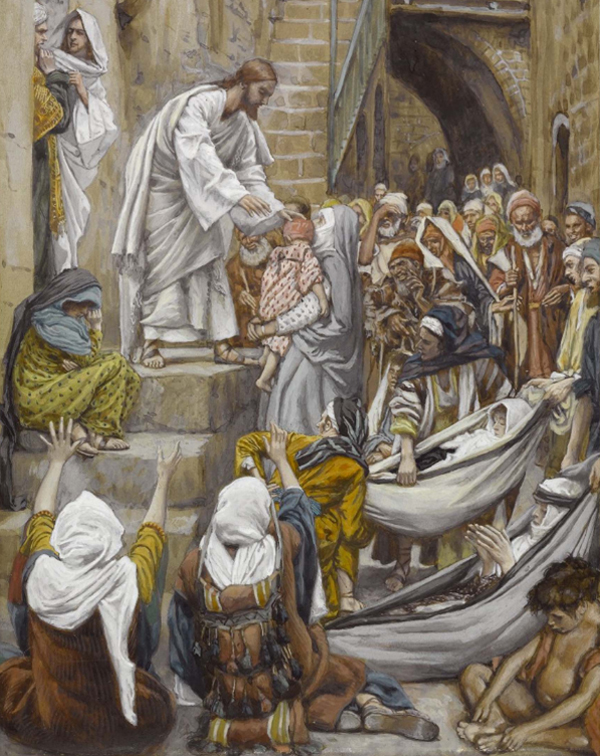
Christ continues his work of healing and exorcism. He passes from the synagogue, a Jewish meeting place for prayer and for reading of the Scriptures, to enter into the home of Simon and Andrew. The Bible tells us that Jesus spends much of his time preaching in synagogues. Later, during his Passion, Jesus will tell Pilate that he has always taught openly in synagogues. There is indeed a great openness to Jesus’ teaching. Many are called, here in a space which would be at the spiritual heart of local Jewish communities. Similarly, we are called as followers of Christ to spread the good news. Our openness with our love of Christ reflects Christ’s openness to the people of Galilee and to us [ … ]

The poem presents a spiritual progression from weariness and disconnection to renewed purpose and communion with the divine. Herbert describes a personal journey marked by exhaustion, seeking rest after being drawn away by worldly pleasures. Imagery of travel, with Herbert and his horse both ‘tired, body and mind’, introduces a state of spiritual depletion. The search for respite in an inn, a place of temporary shelter, symbolizes the soul pausing in its pursuit of lasting fulfillment. The moment of pause becomes transformative, as Herbert unexpectedly encounters Christ, described as ‘my dearest Lord’, waiting as a silent presence, ready to offer comfort once the grief brought by pleasures subsides [ … ]