

Christian Art | George Herbert | The Temple | The Church | Grace
George Herbert | The Temple | The Church | Grace
My stock lies dead, and no increase
Doth my dull husbandrie improve:
O let thy graces without cease
Drop from above!
If still the sunne should hide his face,
Thy house would but a dungeon prove,
Thy works nights captives: O let grace
Drop from above!
The dew doth ev’ry morning fall;
And shall the dew out-strip thy dove?
The dew, for which grasse cannot call,
Drop from above.
Death is still working like a mole,
And digs my grave at each remove:
Let grace work too, and on my soul
Drop from above.
Sinne is still hammering my heart
Unto a hardnesse, void of love:
Let suppling grace, to crosse his art,
Drop from above.
O come! for thou dost know the way.
Or if to me thou wilt not move,
Remove me, where I need not say,
Drop from above.


George Herbert | The Temple | The Church | Grace
In this poem, Herbert expresses a yearning for divine grace to enliven and sustain his spiritual life. Herbert begins by admitting a sense of spiritual stagnation, stating, ‘My stock lies dead, and no increase / Doth my dull husbandry improve.’ Here, Herbert characterizes his inner resources or spiritual vitality as unproductive, and he attributes this lack to his own insufficient efforts, likened to a ‘dull husbandry’, or poor cultivation. This admission reveals Herbert’s dependence on external, divine intervention for renewal, as he implores grace to ‘drop from above’.
The repeated refrain ‘Drop from above!’ emphasizes Herbert’s awareness of grace as a necessary force, one that must be continually bestowed by God. Each stanza builds on the sense of this need, linking the grace of God to natural imagery. Herbert compares his dependency on divine grace to the dependence of the earth on the sun: ‘If still the sun should hide his face, / Thy house would but a dungeon prove.’ Here, ‘Thy house’ can be read as both the earthly world and the human soul, both of which rely on God’s grace, symbolized as sunlight, for life and purpose. Without this divine ‘sun’, Herbert suggests, his existence would feel dark and imprisoning.
The image of morning dew introduces a gentler parallel to sunlight as a source of grace: ‘The dew doth every morning fall; / And shall the dew outstrip thy dove?’ The reference to the dew, which naturally ‘falls’ each morning without needing to be called, serves as a quiet yet essential blessing from God. This comparison implies Herbert’s desire for God’s grace to be just as constant and life-giving as the dew that sustains plant life. The dove, symbolizing the Holy Spirit, is called upon to grant a similar quiet but sustaining grace.
Herbert contrasts divine grace with darker forces at work. Death, personified as a mole, ‘digs my grave at each remove’, reflecting Herbert’s awareness of mortality and the constant threat it poses to his soul. In parallel to death’s destructive actions, ‘Sin is still hammering my heart / Unto a hardness, void of love’. Here, sin is portrayed as shaping the heart into an unfeeling, hardened state, devoid of spiritual life. In response to these threats, Herbert asks for ‘suppling grace’, or a softening force, to counteract sin’s hardening effects. This dual presence of grace and sin reflects the inner struggle faced by Herbert, who feels vulnerable to forces of both spiritual decay and salvation.
The final stanza introduces a tone of urgency and surrender: ‘O come! for thou dost know the way.’ Herbert’s invitation to God to ‘come’ implies a desire for direct divine intervention. Acknowledging that God knows ‘the way’ highlights Herbert’s trust in God’s wisdom and omniscience, despite his own lack of direction. Herbert closes with a paradoxical plea: if God will not descend to him, then let he be removed to a place where grace is present without need for further asking. This suggests a longing for spiritual elevation or a transcendent state of union with God, where Herbert’s need for grace will be fully satisfied.


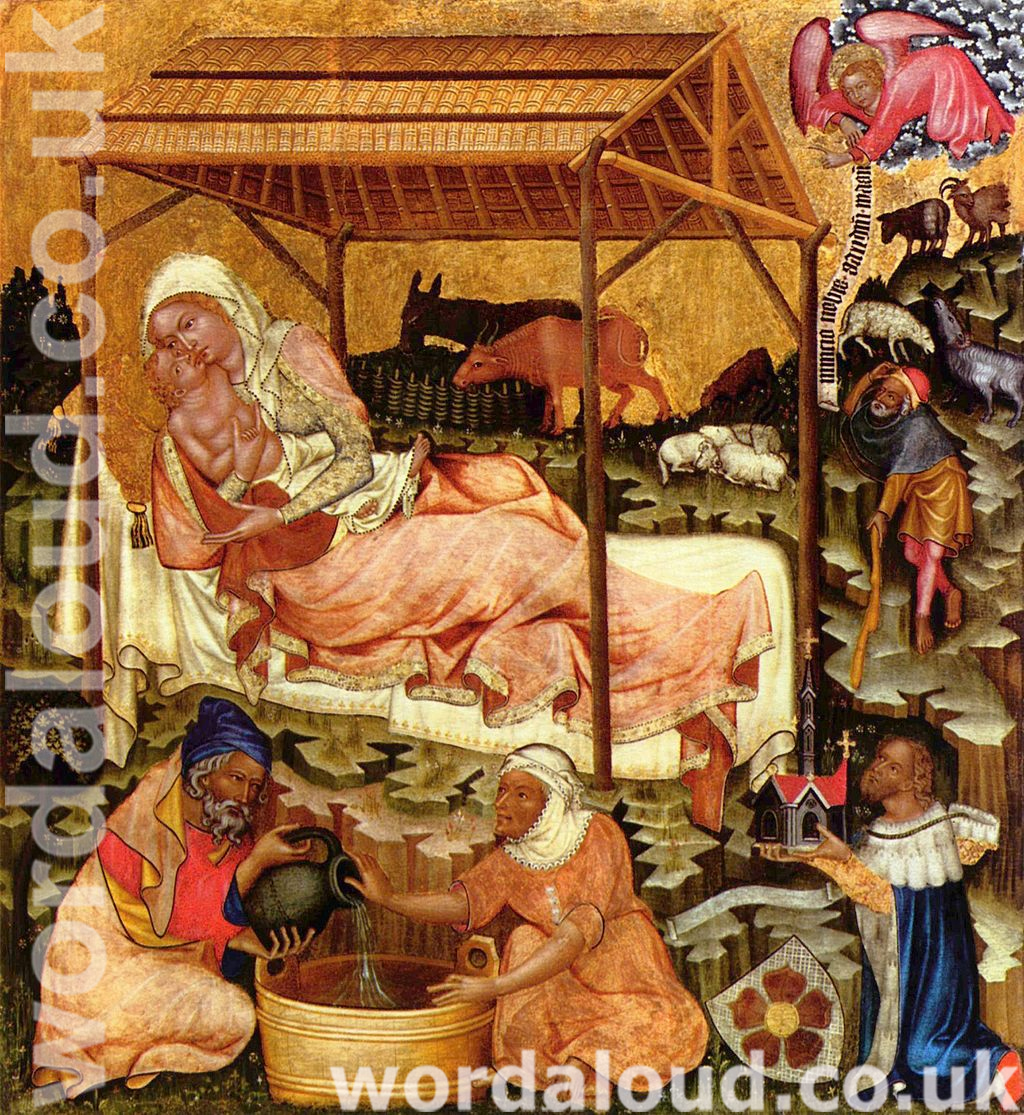
Saint Jerome’s reflection on Joel 2:12–18 draws attention to the biblical theme of repentance, particularly the inward transformation of the heart. Joel’s summons, ‘Return to me with all your heart,’ is not merely a call to external practices such as fasting, mourning, or tearing garments, but to a conversion of the interior self. Jerome insists that the rending of garments, a traditional sign of grief in the ancient world, must be replaced by the rending of the heart. This aligns with prophetic teaching elsewhere in the Old Testament, where God prefers inward change over ritualistic displays (cf. Hosea 6:6; Amos 5:21–24) [ … ]
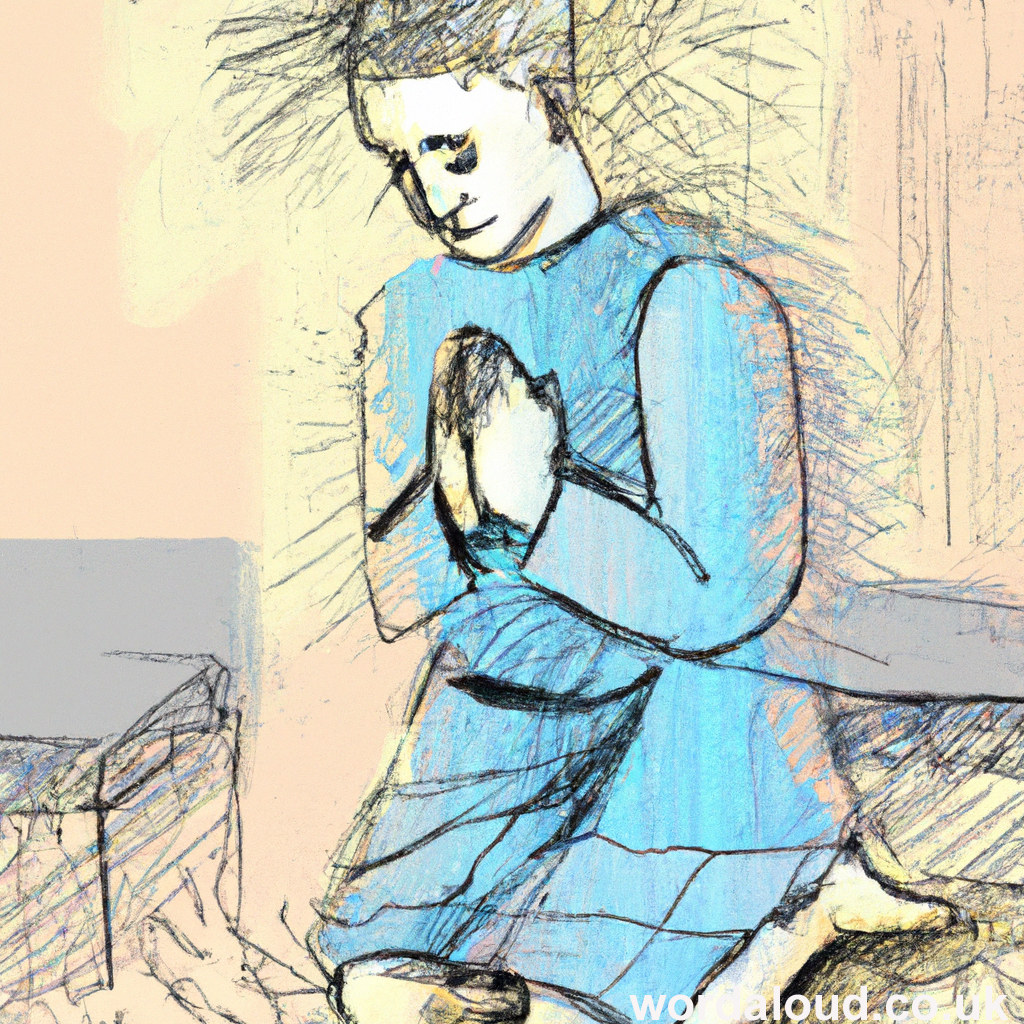
Psalm 47 is a joyful song of praise and celebration. The psalm exalts sovereignty of God as supreme King over all the earth and calls on all people to join in the triumphant chorus of worship. This psalm encapsulates themes of reverence, the universal rule of God, and the exuberant expression of devotion to the Divine [ … ]
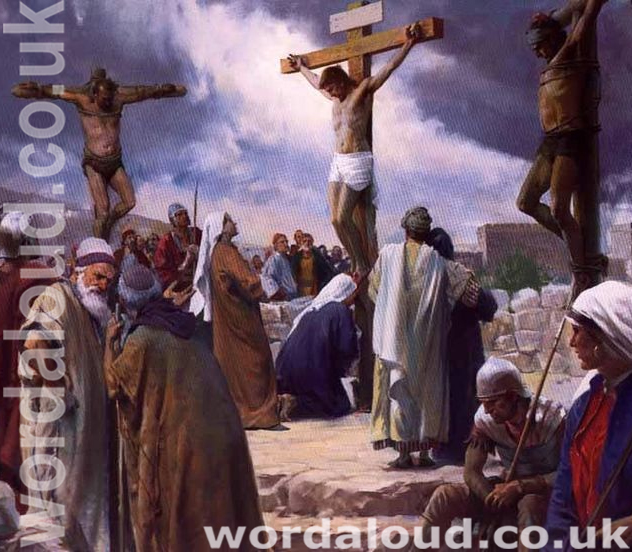
Origen’s reflection on Jesus’ words in John’s Gospel, ‘Destroy this temple and in three days I will raise it up,’ (John 2:19) draws together several layers of meaning. At the literal level, Jesus refers to the temple in Jerusalem, a central symbol of Israel’s covenant with God. Yet Origen, following John’s own interpretation (John 2:21), sees that Jesus is ultimately speaking of his own body, which would be destroyed in death and raised in resurrection [ … ]