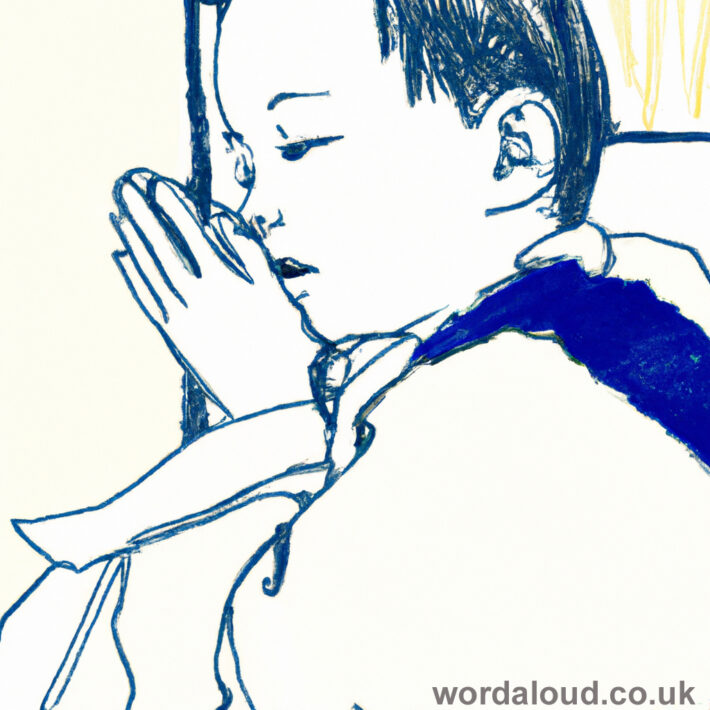
Christian Art | Prayer With Jesus | Psalms | Human Wickedness And Divine Goodness | King David As A Boy
Psalm 36 | King James Audio Bible
YouTube Video: Psalm 36 KJV | Word Aloud | King James Audio Bible
Psalm 36 explores the stark contrast between human wickedness and the boundless lovingkindness of God. Attributed to King David, the psalm reflects upon the moral state of humanity and affirms divine attributes of mercy and righteousness.
Recognition of Human Wickedness: Psalm 36 begins by acknowledging the transgressions of the wicked, highlighting their lack of fear of God (Psalm 36:1 KJV). The psalm describes how the wicked flatter themselves and engage in deceit and iniquity, ultimately leading to a harmful path (Psalm 36:2-4 KJV). This recognition of human frailty and moral failing sets the stage for the contrast with God’s attributes.
Divine Attributes of God: The psalm extols the virtues of God. It portrays God’s mercy as reaching the heavens and His faithfulness extending to the clouds (Psalm 36:5 KJV). God’s righteousness is compared to great mountains, and His judgments are described as a profound, unfathomable deep (Psalm 36:6 KJV). These metaphors highlight the exalted and unchanging nature of God’s character.
The Shelter of God’s Wings: Psalm 36 emphasizes the refuge and security found in God’s lovingkindness. The psalmist likens God’s sheltering care to the shadow of His wings (Psalm 36:7 KJV), conveying a sense of safety and comfort for believers in their relationship with God.
Abundance and Satisfaction: The psalm promises that those who trust in God will be abundantly satisfied with the blessings of His house (Psalm 36:8 KJV). The psalm speaks of drinking from the river of God’s pleasures, symbolizing spiritual nourishment and fulfillment found in God’s presence.
The Fountain of Life: Psalm 36 declares God as the fountain of life (Psalm 36:9 KJV). In God’s light, humanity is said to see light. This metaphor underscores that God is the source of all life and enlightenment.
A Prayer for Continued Blessings: The psalm concludes with a prayer for the continuation of God’s lovingkindness and righteousness to those who know Him and have upright hearts (Psalm 36:10 KJV). The psalm petitions for protection against pride and the hand of the wicked (Psalm 36:11 KJV).
The Triumph of Righteousness: The final verse asserts the downfall of the workers of iniquity, affirming that they will not rise (Psalm 36:12 KJV). This underscores triumph of righteousness over wickedness.


Psalm 35 | King James Audio Bible KJV | Love Revealed By Jesus Christ
The transgression of the wicked saith within my heart, that there is no fear of God before his eyes.
For he flattereth himself in his own eyes, until his iniquity be found to be hateful.
The words of his mouth are iniquity and deceit: he hath left off to be wise, and to do good.
He deviseth mischief upon his bed; he setteth himself in a way that is not good; he abhorreth not evil.
Thy mercy, O Lord, is in the heavens; and thy faithfulness reacheth unto the clouds.
Thy righteousness is like the great mountains; thy judgments are a great deep: O Lord, thou preservest man and beast.
How excellent is thy lovingkindness, O God! therefore the children of men put their trust under the shadow of thy wings.
They shall be abundantly satisfied with the fatness of thy house; and thou shalt make them drink of the river of thy pleasures.
For with thee is the fountain of life: in thy light shall we see light.
O continue thy lovingkindness unto them that know thee; and thy righteousness to the upright in heart.
Let not the foot of pride come against me, and let not the hand of the wicked remove me.
There are the workers of iniquity fallen: they are cast down, and shall not be able to rise.
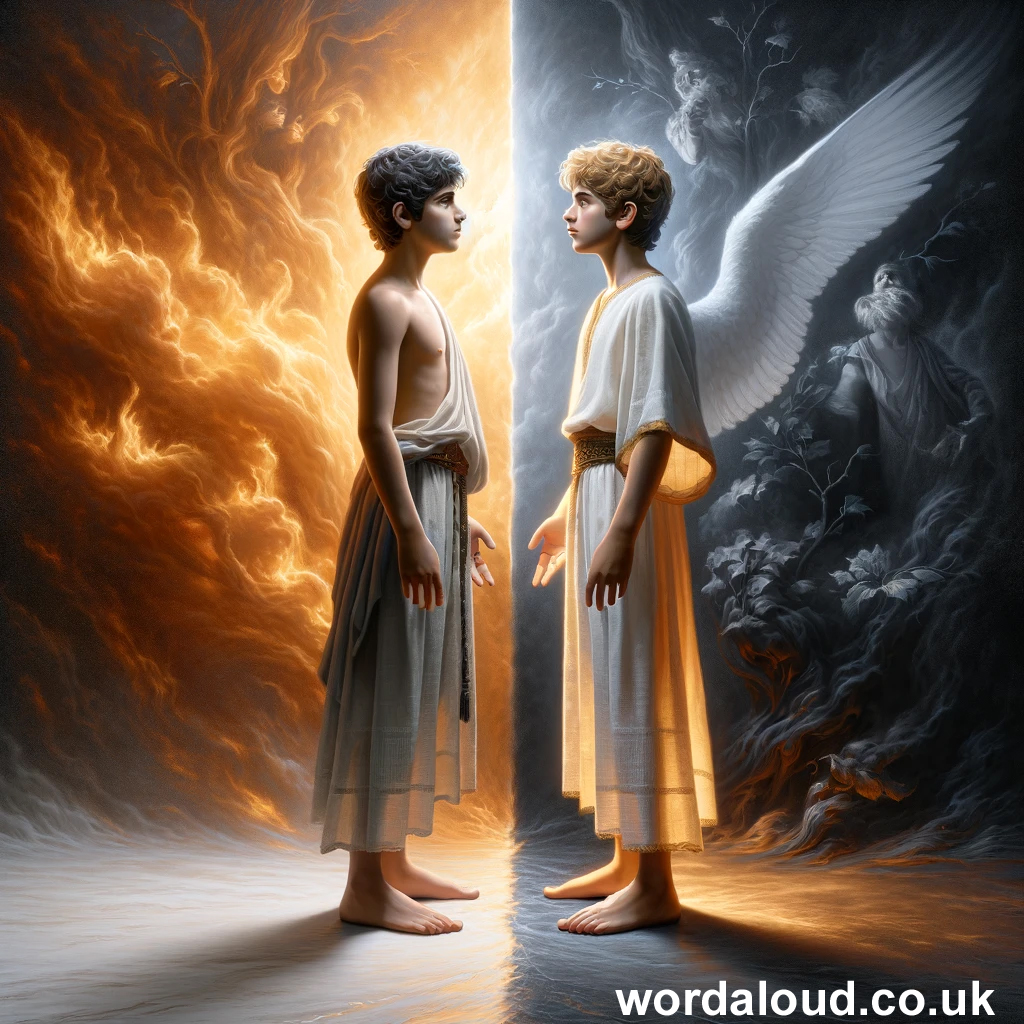
Key Themes Of The Psalm For Reflection | Love Revealed By Jesus Christ
- Recognition of Human Wickedness:
- Psalm 36 opens with a candid acknowledgment of the transgressions of the wicked. It highlights that they lack the fear of God in their hearts (Psalm 36:1 KJV). This theme serves as a stark reminder of the moral imperfections and sinful tendencies that characterize human nature.
- Divine Attributes of God (Mercy, Faithfulness, Righteousness):
- The psalm extensively celebrates the attributes of God. It portrays God’s mercy as vast as the heavens and His faithfulness as reaching the clouds (Psalm 36:5 KJV). The imagery of God’s righteousness compared to great mountains and His judgments as a profound, unfathomable deep emphasizes the unchanging and exalted nature of God (Psalm 36:6).
- Shelter of God’s Wings:
- An evocative metaphor is used in Psalm 36:7, describing God’s sheltering care as the shadow of His wings. This imagery conveys a sense of refuge and security, portraying God as a protective and nurturing presence in the lives of believers.
- Abundance and Satisfaction in God:
- The psalm assures those who trust in God that they will be abundantly satisfied with the blessings of His house (Psalm 36:8 KJV). It speaks of drinking from the river of God’s pleasures, symbolizing spiritual nourishment and fulfillment found in His presence. This theme underscores the idea that true satisfaction comes from a relationship with God.
- God as the Fountain of Life:
- Psalm 36 declares God as the fountain of life (Psalm 36:9 KJV). This metaphor signifies that all life and enlightenment emanate from God. It implies that apart from God, there is spiritual barrenness and darkness.
- Prayer for Continued Blessings:
- The psalm concludes with a prayer for the continuation of God’s lovingkindness and righteousness to those who know Him and have upright hearts (Psalm 36:10 KJV). It is a plea for the ongoing presence and guidance of God in the lives of the faithful.
- Triumph of Righteousness:
- The final verse asserts the downfall of the workers of iniquity, affirming that they will not rise (Psalm 36:12 KJV). This theme highlights the ultimate triumph of righteousness over wickedness, conveying the message that those who rely on God’s righteousness will prevail.


As I meditate upon the love of Jesus Christ, I am struck by its boundlessness and its depth. His love is not limited by time or space, nor is it conditional upon our worthiness. Jesus loves us simply because we are his creation, his beloved children. In Jesus’ love, there is no fear, no judgment, only grace and mercy [ … ]

In this reading from Against Heresies, Saint Irenaeus of Lyons explains the meaning of Christian offering and its place within God’s saving plan. Writing in response to teachings that misunderstood creation, sacrifice, and the body, he presents the Church’s oblation as both faithful to God’s purpose and rooted in gratitude for creation [ … ]

Mark’s Gospel, thought by many to be the earliest written, does not present an account of the birth of Christ. He begins with the proclamation of Jesus Christ as the Son of God, leading into his baptism by John. Toward the end of the Gospel, when the crucified Christ dies, the centurion standing by him will affirm this, saying: ‘Truly this was the Son of God.’ Throughout this most fast paced of gospels, this is Mark’s message, to give his readers the knowledge that Christ is the Son of God [ … ]