
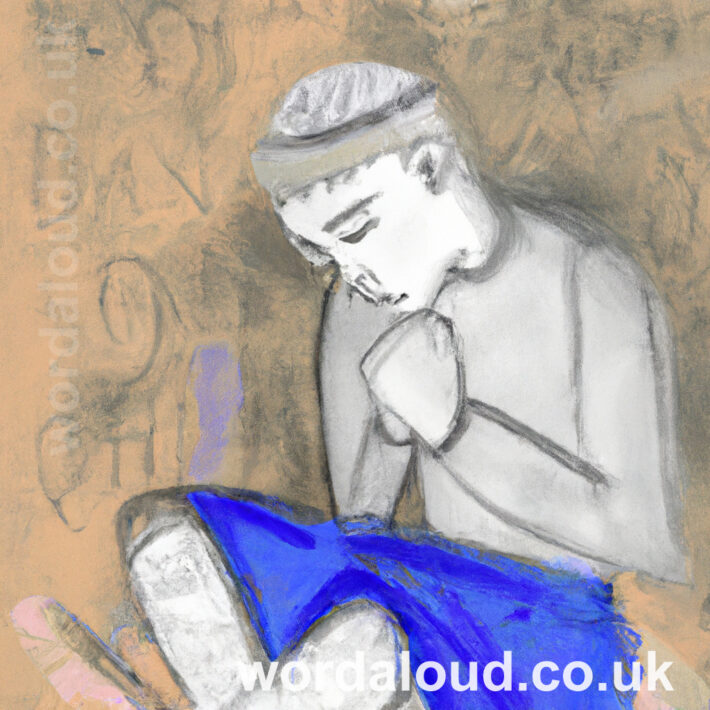
Christian Art | Prayer With Jesus | Psalms | God’s Mighty Deeds Recalled | King David As A Boy | Audio KJV | Love Revealed By Jesus Christ | King James Audio Bible
Psalm 77 | King James Audio Bible
YouTube: Psalm 77 | KJV | King James Version | Audio Bible | Word Aloud
Psalm 77 expresses the psalmist’s distress and spiritual turmoil, interwoven with remembrance of God’s wonders and faithfulness. This psalm serves as a raw and honest lament, portraying the psalmist’s cry for help in times of trouble, wrestling with doubt, and the ultimate anchor found in the recollection of God’s mighty deeds.
The psalm begins with the psalmist crying out to God, emphasizing intensity of the plea by using the repetition of “I cried unto God with my voice.” The distress is palpable as the psalmist recounts seeking the Lord in the day of trouble, with a soul refusing to find comfort.
Amidst the turmoil, the psalmist engages in a contemplative remembrance of God’s past actions. The recollection leads to inner struggle, expressed with poignant phrases such as “I remembered God, and was troubled” and “my spirit was overwhelmed.”
The psalmist embarks on a journey of questioning, pondering whether God’s mercy and promises have ceased forever. The emotional depth of the psalmist’s turmoil is highlighted in these inquiries, reflecting a struggle with doubt and the apparent absence of God’s favor.
The psalm turns as the psalmist resolves to remember the years of the right hand of God. The tone shifts from distress to a deliberate recollection of God’s wonders and faithfulness. The psalmist chooses to meditate on God’s works and declare His strength among the people.

Psalm 77 | King James Audio Bible KJV | Love Revealed By Jesus Christ
I cried unto God with my voice, even unto God with my voice; and he gave ear unto me.
In the day of my trouble I sought the Lord: my sore ran in the night, and ceased not: my soul refused to be comforted.
I remembered God, and was troubled: I complained, and my spirit was overwhelmed. Selah.
Thou holdest mine eyes waking: I am so troubled that I cannot speak.
I have considered the days of old, the years of ancient times.
I call to remembrance my song in the night: I commune with mine own heart: and my spirit made diligent search.
Will the Lord cast off for ever? and will he be favourable no more?
Is his mercy clean gone for ever? doth his promise fail for evermore?
Hath God forgotten to be gracious? hath he in anger shut up his tender mercies? Selah.
And I said, This is my infirmity: but I will remember the years of the right hand of the most High.
I will remember the works of the Lord: surely I will remember thy wonders of old.
I will meditate also of all thy work, and talk of thy doings.
Thy way, O God, is in the sanctuary: who is so great a God as our God?
Thou art the God that doest wonders: thou hast declared thy strength among the people.
Thou hast with thine arm redeemed thy people, the sons of Jacob and Joseph. Selah.
The waters saw thee, O God, the waters saw thee; they were afraid: the depths also were troubled.
The clouds poured out water: the skies sent out a sound: thine arrows also went abroad.
The voice of thy thunder was in the heaven: the lightnings lightened the world: the earth trembled and shook.
Thy way is in the sea, and thy path in the great waters, and thy footsteps are not known.
Thou leddest thy people like a flock by the hand of Moses and Aaron.
Key Themes Of The Psalm For Reflection | Love Revealed By Jesus Christ
- Cry For Help In Distress: The psalmist begins with a fervent cry to God, expressing deep distress and seeking divine intervention.
- Refusal Of Comfort: Despite seeking the Lord in times of trouble, the psalmist’s soul refuses to find comfort.
- Remembrance Of God’s Wonders: A significant theme is the psalmist’s contemplative remembrance of God’s past wonders and deeds.
- Inner Struggle And Overwhelm: The psalmist grapples with inner turmoil, troubled by the remembrance of God, and overwhelmed in spirit.
- Questioning And Doubt: The psalmist questions whether God’s mercy and promises have ceased, reflecting a struggle with doubt and the apparent absence of divine favor.
- Resolution To Remember: There is a shift as the psalmist resolves to remember the years of the right hand of the Most High, choosing to focus on God’s faithfulness.
- Meditation On God’s Works: The psalmist commits to meditating on God’s works, declaring His strength among the people.
- Poetic Description Of God’s Power: The psalm concludes with a poetic portrayal of God’s majestic power displayed in the elements and His guidance of His people.



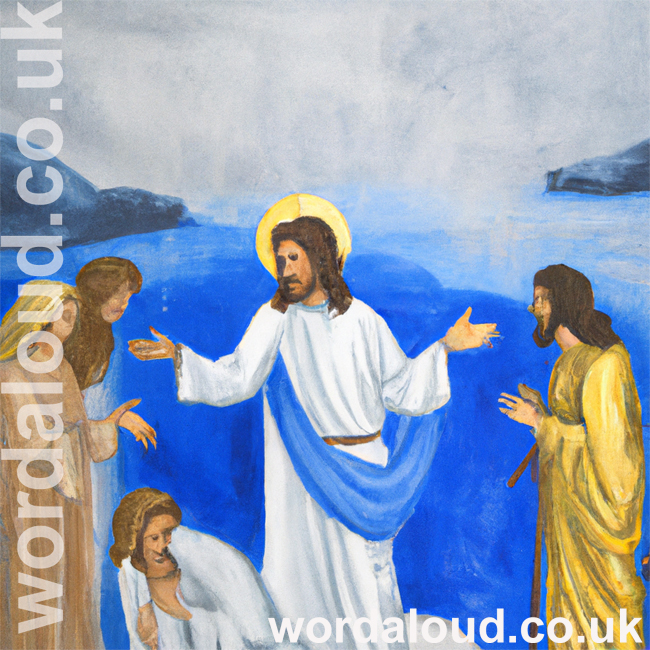
Saint Hilary reflects on the image of the river that gladdens the city of God, drawing together scriptural references to show that the river signifies the Holy Spirit. From the psalmist’s imagery of abundant waters, through Christ’s words in John’s Gospel, the Spirit is described as a source of life flowing from God into believers. The fullness of the river expresses the superabundance of divine gifts: the Spirit is not given sparingly but floods the Church with grace [ … ]

In this poem, Herbert reflects on the immense and transcendent nature of God compared to limitations of human experience. The poem explores Herbert’s yearning fully to experience divine love and presence, while grappling with inevitable fluctuations of human faith and emotion. Herbert expresses a wish permanently to feel the closeness and joy sometimes sensed in God’s presence. Yet, this experience is shown to be inconsistent, varying between moments of near-heavenly insight and others of despair, represented as ‘falling to hell’ [ … ]
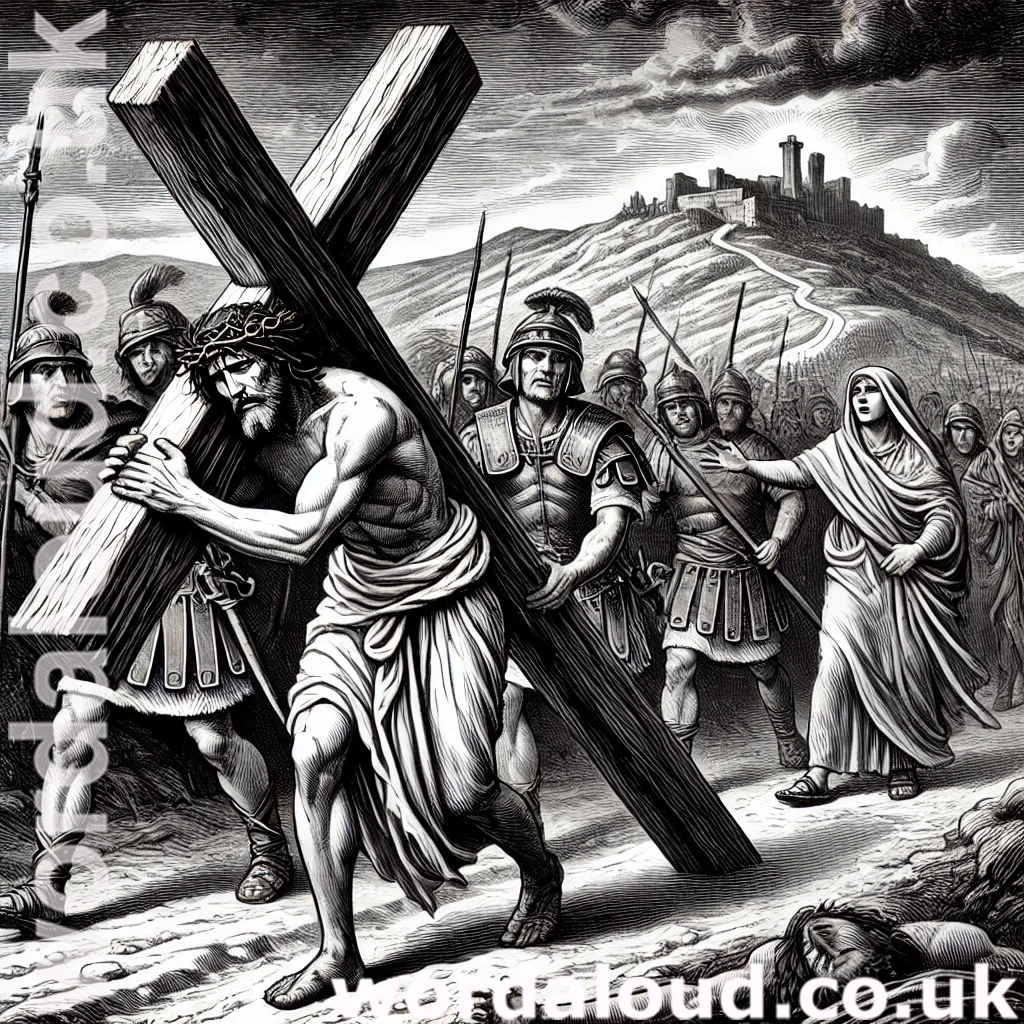
In this reading, Saint Bonaventure sets out a theological vision of Scripture that is centred on Christ and grounded in faith. He insists that the understanding of sacred Scripture does not begin with human study alone, but with divine revelation and the interior work of God [ … ]
