
Christian Art | George Herbert | Prayer (I)| The Church | Repentance
George Herbert | The Temple | The Church | Prayer (I)
Prayer the Churches banquet, Angels age,
Gods breath in man returning to his birth,
The soul in paraphrase, heart in pilgrimage,
The Christian plummet sounding heav’n and earth;
Engine against th’ Almightie, sinners towre,
Reversed thunder, Christ-side-piercing spear,
The six-daies world-transposing in an houre,
A kinde of tune, which all things heare and fear;
Softnesse, and peace, and joy, and love, and blisse,
Exalted Manna, gladnesse of the best,
Heaven in ordinarie, man well drest,
The milkie way, the bird of Paradise,
Church-bels beyond the starres heard, the souls bloud,
The land of spices; something understood
George Herbert | The Temple | The Church | Prayer (I)
The poem is a meditation on the nature of prayer. It is a sonnet with no narrative or direct progression, composed of sixteen images, each evoking different dimensions of prayer. There is no main verb in the poem; it flows as a series of phrases that describe prayer without explicitly saying what it does. A list of metaphors feels simultaneously boundless and encompassing, as Herbert seeks to communicate prayer’s role, impact, and place within the human and divine realms.
Herbert opens with ‘Prayer the Church’s banquet’, which characterizes prayer as both sustenance and celebration, suggesting it as a source of communal spiritual nourishment. Moving to ‘Angels’ age’ and ‘God’s breath in man returning to his birth’, he links prayer to timelessness and divine origin, seeing it as a moment where human and divine natures connect. The line ‘The soul in paraphrase, heart in pilgrimage’ then emphasizes the personal nature of prayer, portraying it as the soul’s distillation of its essence and as a spiritual journey seeking closeness with God.
Herbert invokes a complex range of metaphor to describe prayer’s power. ‘Engine against th’ Almighty, sinner’s tower’ and ‘Reversed thunder’ suggest prayer’s dual nature as both a vulnerable request and an intense, potentially subversive act, highlighting complex relationship between the praying individual and God. ‘The six-days’ world-transposing in an hour’ shows prayer as capable of condensing vast experiences and emotions into brief, potent exchanges, reflecting the Biblical creation compressed into moments of communion with the divine. Herbert then shifts to metaphors of peace and beauty—’A kind of tune, which all things hear and fear’ and ‘Softness, and peace, and joy, and love, and bliss’—suggesting prayer as a universal harmony that elicits quiet reverence across existence.
In the latter part of the poem, Herbert references religious imagery associated with joy and transcendence, such as ‘Exalted manna, gladness of the best’ and ‘Heaven in ordinary, man well dressed’. These phrases imply that prayer makes heavenly qualities accessible in daily life, revealing divine presence even in simplicity. ‘The milky way, the bird of paradise’ suggests celestial and exotic imagery, evoking the wonder and mystery surrounding prayer, while ‘Church-bells beyond the stars heard, the soul’s blood’ blends the cosmic and personal. Here, prayer is as far-reaching as the stars and as intimate as one’s own lifeblood.
The closing line, ‘The land of spices; something understood,’ encapsulates the poem’s exploration of prayer as both mysterious and accessible. ‘The land of spices’ recalls both the exotic East and the sacred gifts of the Magi, implying that prayer leads to a place of rare and valued experiences. ‘Something understood’ suggests that, despite its vast range, prayer ultimately offers a unique, intimate understanding between the individual and God.




Saint Anastasius of Antioch offers a deeply theological meditation on one of the central mysteries of the Christian faith: that the immortal God truly suffered and died. Drawing on Scripture, the early Church’s understanding of the Incarnation, and Christ’s own words, Anastasius explains why this suffering was not only possible, but necessary. This paradox—that the impassible God underwent suffering—is not a contradiction but the heart of divine love revealed in Christ [ … ]
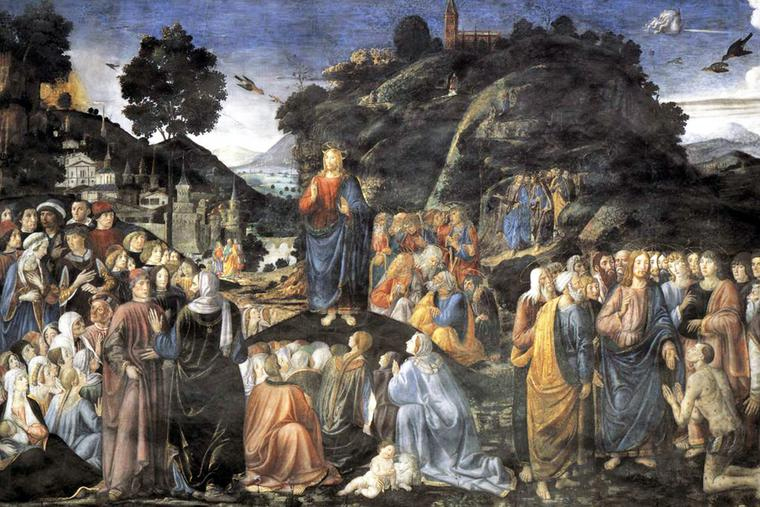
We are called once more by Jesus to seek perfection as our acts of mercy imitate, insofar as we are able, the mercy of God. We are taught again of the inseparability of our relationship with each other in the body of Christ, in the brotherhood of man, and of our relationship with God [ … ]
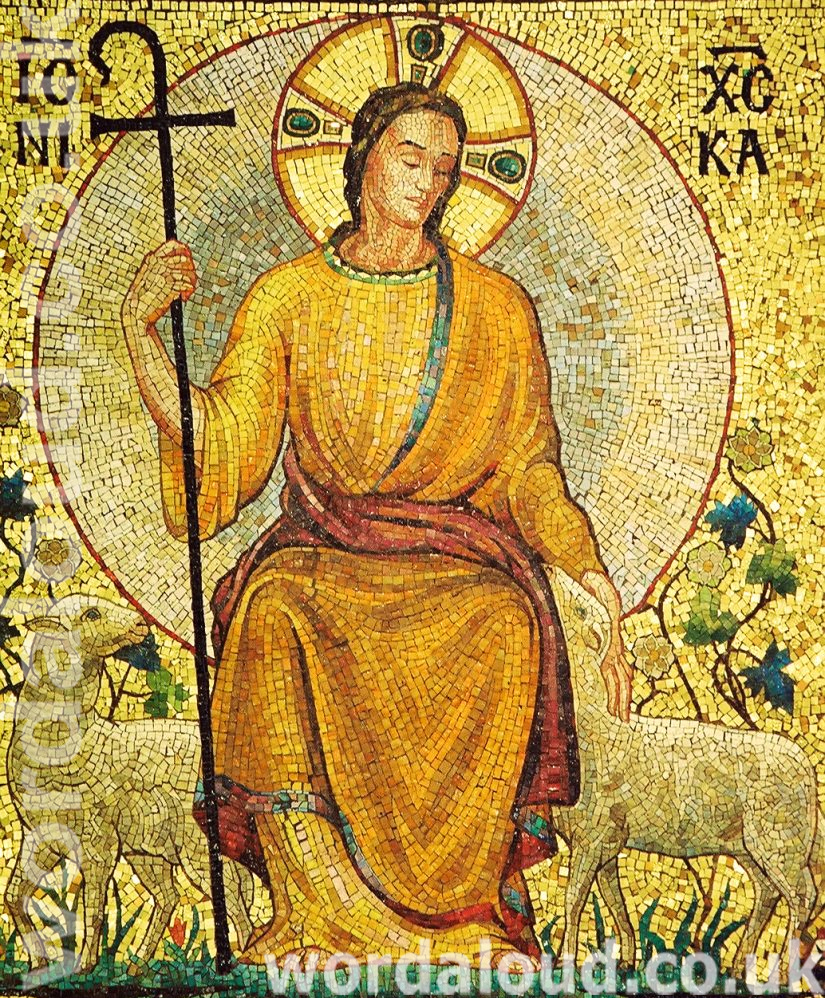
In his commentary on the Psalms, Saint John Fisher reflects on the pattern of God’s saving action in history and the human response to it. He moves from the story of Israel to the life of the Church, showing a continuity of divine generosity and a repeated failure of gratitude [ … ]
