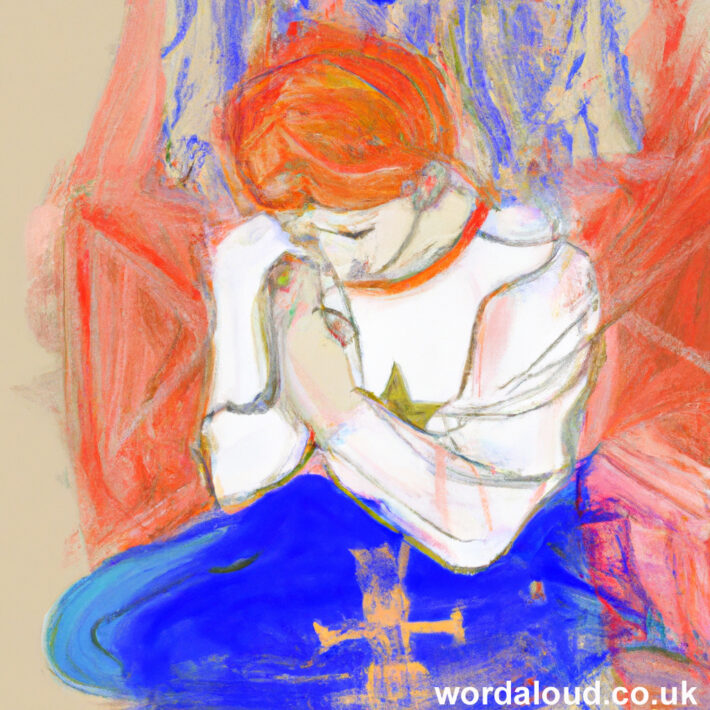
Christian Art | Prayer With Jesus | Psalms | King David As A Boy
Psalm 28 | King James Audio Bible
YouTube: Psalm 28 | KJV | King James Audio Bible | Word Aloud
Psalm 28 is a heartfelt cry to the Lord God. The psalm is a plea for divine intervention, and a declaration of unwavering trust in God’s strength and protection. The psalm resonates with themes of supplication, of contrast between the righteous and the wicked, and acknowledgment of God as the ultimate source of strength and salvation.
At its outset, the psalmist expresses a deep need to cry out to the Lord, his rock, imploring God not to remain silent and to hear his supplications. This sets the tone for a heartfelt and earnest conversation with God.
The psalmist’s cry for divine intervention is marked by recognition of the consequences of silence from God, likening this to descending into the pit. This underscores the urgency and intensity of the prayer.
Through the psalm, there is a stark contrast drawn between the psalmist, who seeks righteousness and divine guidance, and the wicked, who engage in deceitful actions and harbor malice in their hearts. The psalmist implores God to mete out justice to the wicked, asking that they receive the consequences of their deeds.
A central theme of Psalm 28 is acknowledgment of God’s strength and protective shield. The psalmist’s heart finds trust and help in the Lord, leading to great rejoicing and the promise to praise God with a song.
At the psalm’s conclusion, God is recognized as strength of His anointed ones, further emphasizing divine protection and salvation. The psalmist prays for the salvation and blessing of God’s people and inheritance, seeking God’s provision and everlasting support.

Psalm 26 | King James Audio Bible KJV
Unto thee will I cry, O Lord my rock; be not silent to me: lest, if thou be silent to me, I become like them that go down into the pit.
Hear the voice of my supplications, when I cry unto thee, when I lift up my hands toward thy holy oracle.
Draw me not away with the wicked, and with the workers of iniquity, which speak peace to their neighbours, but mischief is in their hearts.
Give them according to their deeds, and according to the wickedness of their endeavours: give them after the work of their hands; render to them their desert.
Because they regard not the works of the Lord, nor the operation of his hands, he shall destroy them, and not build them up.
Blessed be the Lord, because he hath heard the voice of my supplications.
The Lord is my strength and my shield; my heart trusted in him, and I am helped: therefore my heart greatly rejoiceth; and with my song will I praise him.
The Lord is their strength, and he is the saving strength of his anointed.
Save thy people, and bless thine inheritance: feed them also, and lift them up for ever.

Key Themes Of The Psalm For Reflection | Love Revealed By Jesus Christ
- Supplication and Crying Out: The psalmist earnestly cries out to the Lord, seeking divine intervention and guidance.
- Divine Silence and Consequences: There is a plea for God not to remain silent, as silence is likened to descending into the pit, emphasizing the urgency of the psalmist’s prayer.
- Contrast between Righteous and Wicked: The psalmist distinguishes between the righteous who seek God’s guidance and the wicked who engage in deceit and malice, invoking a plea for justice.
- Trust in God’s Strength and Protection: God is recognized as the source of strength and a protective shield, leading to rejoicing and praise.
- Salvation and Blessing: The psalmist prays for the salvation and blessing of God’s people and inheritance, seeking God’s ongoing provision and support.



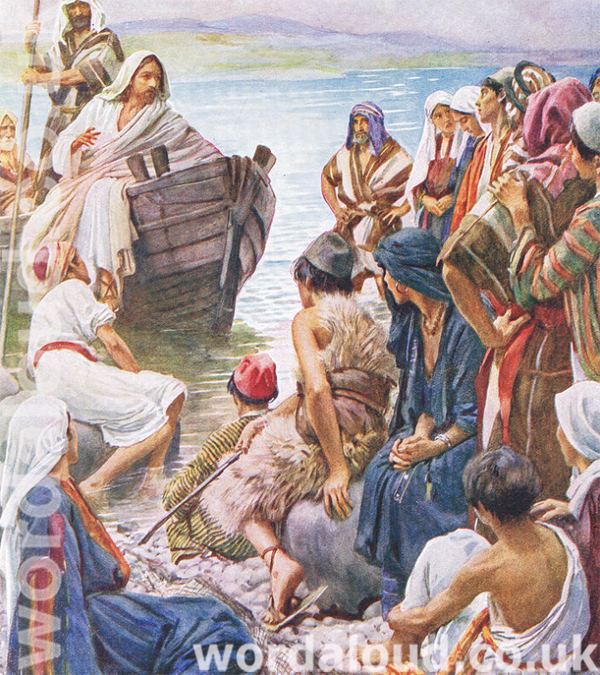
In his discourse, Saint Athanasius explores how divine Wisdom—identified with the eternal Word, the Son—imprints itself within creation. Saint Athanasius’s argument responds to Arian claims that the Son was a created being. For Athanasius, the phrase ‘The Lord created me in his works’ cannot mean that the eternal Wisdom itself was made; rather, it refers to the reflection or imprint of Wisdom in the created order [ … ]
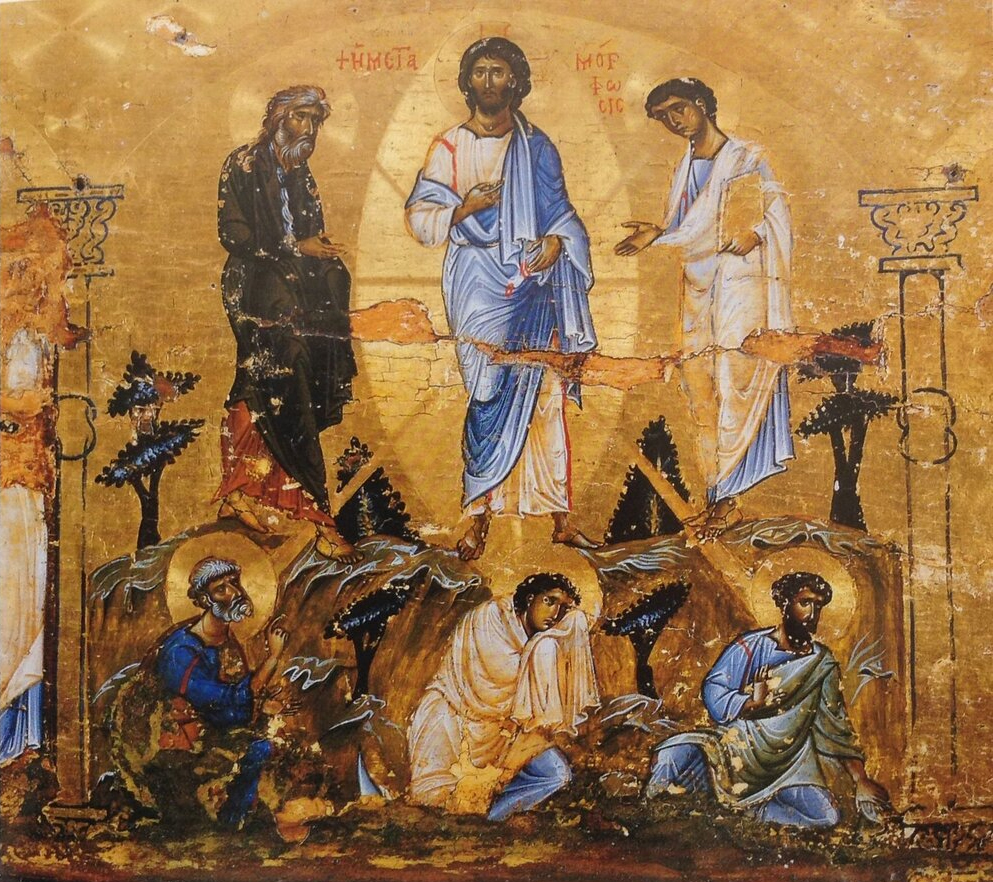
Jesus continues to prepare his disciples for the joy of his Resurrection and for the mission of the disciples, to evangelize, bringing to people all over the world the good news of Jesus Christ, of our salvation. Because they have believed in Jesus, they may ask what they wish of the Father in the Son’s name. In the Acts of the Apostles, we hear of the miracles worked by the disciples, these the signs and wonders which they are empowered to perform in order to help people to believe [ … ]

Saint Gregory the Great’s Pastoral Guide is among the foundational texts on Christian leadership and ministry. In this passage, Gregory explores the delicate balance required of every spiritual guide — the tension between silence and speech, between caution and courage. His words address pastors and teachers, but their insight extends to all who exercise responsibility for others [ … ]