
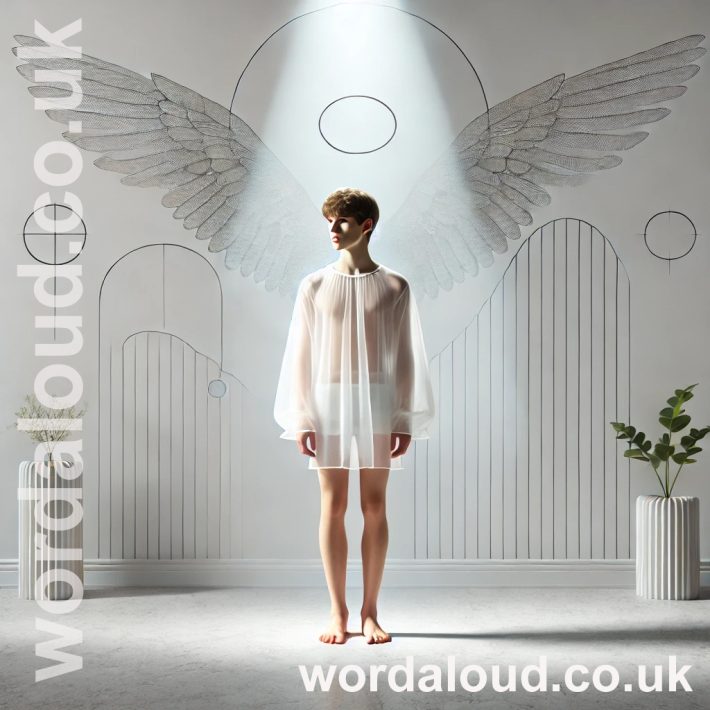
Christian Art | George Herbert | Sepulchre | The Church | Even-song (1)
George Herbert | The Temple | The Church | Even-song (1)
Blest be the God of love,
Who gave me eyes, and light, and power this day,
Both to be busie, and to play.
But much more blest be God above,
Who gave me sight alone,
Which to himself he did denie:
For when he sees my waies, I dy:
But I have got his sonne, and he hath none.
What have I brought thee home
For this thy love? have I discharg’d the debt,
Which this dayes favour did beget?
I ranne; but all I brought, was fonie.
Thy diet, care, and cost
Do end in bubbles, balls of winde;
Of winde to thee whom I have crost,
But balls of wilde-fire to my troubled minde.
Yet still thou goest on,
And now with darknesse closest wearie eyes,
Saying to man, It doth suffice:
Henceforth repose; your work is done.
Thus in thy Ebony box
Thou dost inclose us, till the day
Put our amendment in our way,
And give new wheels to our disorder’d clocks.
I muse, which shows more love,
The day or night: that is the gale, this th’ harbour;
That is the walk, and this the arbour;
Or that the garden, this the grove.
My God, thou art all love.
Not one poore minute scapes thy breast,
But brings a favour from above;
And in this love, more then in bed, I rest


George Herbert | The Temple | The Church | Even-song (1)
This poem is a meditation on gratitude and divine love, exploring relationship between human activity and God’s continuous care. George Herbert reflects on the gifts of life, sight, and the ability to engage in both labour and leisure, attributing them to God’s love. Yet, the central focus is the greater blessing of spiritual vision, symbolized by sight, which God withheld from himself—we may understand reference to Christ’s sacrifice—so that humanity might see its own paths and be redeemed.
The poem juxtaposes God’s gifts with the poet’s own inadequate response. Despite profound favours of the day, Herbert admits that his efforts, symbolized by his running, are filled with folly, producing only ‘bubbles’ and ‘balls of wind’. This imagery suggests the fleeting and insubstantial nature of human attempts to repay divine generosity. Herbert contrasts his flawed contributions with God’s enduring care, which he depicts as constant and unconditional, even when humanity fails or rebels.
Night, personified as a period of rest and reflection, is described as an act of love from God. Herbert sees it as a form of closure, where God grants repose to weary eyes and says, ‘It does suffice.’ This suggests divine understanding of human limitations, offering an opportunity for renewal rather than punishment. The ‘ebony box’ symbolizes the night as a protective enclosure, allowing time for self-amendment and spiritual reorientation. Herbert likens this renewal to repairing ‘disordered clocks’, a metaphor for alignment of human lives with divine will.
The poem considers the comparative blessings of day and night, using metaphors such as and including ‘gale’ and ‘harbour’, ‘walk’ and ‘arbour’, ‘garden’ and ‘grove’. These pairings emphasize complementarity of activity and rest, illustrating how both are imbued with divine love. Day represents the opportunities for work and engagement, while night offers sanctuary and reflection. Together, day and night form a cycle of grace through which Herbert perceives God’s continual presence and care.
Herbert proclaims that God is ‘all love’, emphasizing constancy and omnipresence of divine affection. Every moment, even the smallest, carries a blessing from God, reinforcing Herbert’s sense of unworthiness and gratitude. The concluding statement, ‘And in this love, more than in bed, I rest,’ highlights spiritual rest that surpasses physical repose. It suggests that true peace lies in the awareness and acceptance of God’s all-encompassing love.
This poem emphasizes reciprocal relationship between God’s gifts and human response, even as it acknowledges insufficiency of human efforts fully to reciprocate divine love. Herbert’s reflections culminate in an acknowledgment of God’s all-encompassing presence, which brings both comfort and a call to greater devotion.


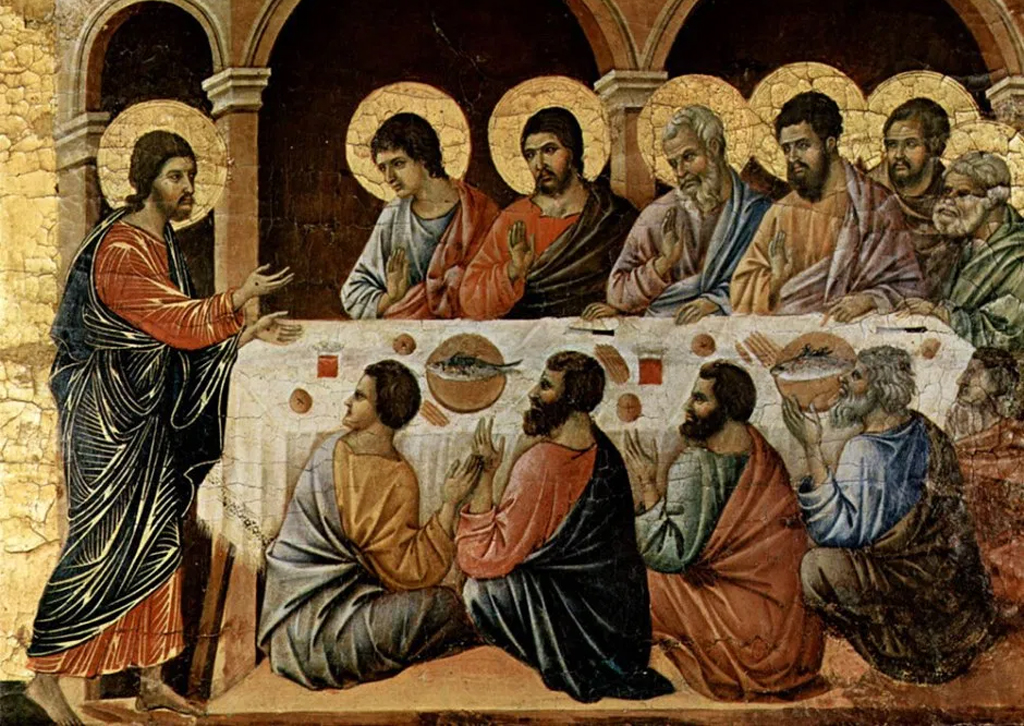
Jesus now gives to us a clear and ready way to salvation. We are to behold the Son of God, to believe in him, and then we shall be saved. These Bible verses for Easter continue to draw on the great miracle of the loaves and the fishes, when Jesus took a poor boy’s daily ration and fed the five thousand who had gathered to hear his word [ … ]
Psalm 84 expresses human yearning for divine presence. The psalm begins with an exclamation of admiration: ‘How amiable are thy tabernacles, O Lord of hosts!’ The term ‘tabernacles’ here refers to the sacred dwelling places of God. The psalmist’s words convey awe and reverence for the sanctuaries where God is believed to reside. This opening sets the tone for a poetic exploration of the soul’s yearning for proximity to the sacred [ … ]
Psalm 58 explores themes of justice, righteousness, and the repercussions of wickedness. This psalm is an impassioned plea for divine intervention or retribution, which may be perceived as a call for vengeance.
