Christian Art | George Herbert | The Temple | The Church | The Starre
George Herbert | The Temple | The Church | The Starre
Bright spark, shot from a brighter place,
Where beams surround my Saviours face,
Canst thou be any where
So well as there?
Yet, if thou wilt from thence depart,
Take a bad lodging in my heart;
For thou canst make a debter,
And make it better.
First with thy fire-work burn to dust
Folly, and worse then folly, lust:
Then with thy light refine,
And make it shine:
So disengag’d from sinne and sicknesse,
Touch it with thy celestiall quicknesse,
That it may hang and move
After thy love.
Then with our trinitie of light,
Motion, and heat, let’s take our flight
Unto the place where thou
Before didst bow.
Get me a standing there, and place
Among the beams, which crown the face
Of him, who dy’d to part
Sinne and my heart:
That so among the rest I may
Glitter, and curle, and winde as they:
That winding is their fashion
Of adoration.
Sure thou wilt joy, by gaining me
To flie home like a laden bee
Unto that hive of beams
And garland-streams.


George Herbert | The Temple | The Church | The Starre
The poem is an address to the Holy Spirit, symbolized as fire or a spark, exploring themes of divine transformation, purification, and ultimate union with God. Herbert opens with an acknowledgment of the Spirit’s divinity, emanating from the presence of the Saviour’s face. The Spirit is seen as belonging naturally to this celestial realm, yet the poet invites the Spirit to ‘take a bad lodging’ in his heart, reflecting humility and recognition of his own imperfections.
The heart is portrayed as a flawed vessel that the Spirit can transform. The poet asks the Spirit to burn away ‘folly’ and ‘lust’, revealing a desire for moral and spiritual purification. This act of burning evokes a dual imagery of destruction and renewal, where the consuming fire eliminates sin while simultaneously refining and enlightening. This refinement is described as a precursor to a heart that moves in harmony with divine love, suggesting the poet’s yearning for alignment with God’s will.
The poem progresses into a vision of spiritual ascent, propelled by the Spirit’s attributes of ‘light, motion, and heat’. These qualities, central to the imagery, suggest illumination, vitality, and divine energy, guiding Herbert’s soul upward toward the heavenly realm. The idea of flight conveys liberation from earthly limitations and closeness to God, indicating an eschatological hope—an ultimate union with the divine.
A key moment is the poet’s request for ‘a standing there, and place / Among the beams, which crown the face / Of him, who died to part / Sin and my heart’. This connects the purification process to the salvific work of Christ, emphasizing that the Spirit’s transformative work is grounded in Christ’s sacrifice. Imagery of light and beams reflects both the glory of heaven and the radiant presence of God, where Herbert hopes to take part.
The closing stanzas elaborate on the poet’s aspiration to join the heavenly choir, described through the metaphor of ‘glitter, and curl, and wind’. This spiralling motion evokes the dynamic and perpetual worship of heaven, a realm where all movement expresses adoration. The winding movement is both a celebration of divine order and a personal integration into this eternal dance of praise.
The image of the laden bee returning to its hive encapsulates the poem’s central themes. The bee, burdened with the nectar of its earthly journey, represents the soul enriched by its earthly experiences and purified by the Spirit. Its return to the ‘hive of beams / And garland-streams’ symbolizes the soul’s ultimate homecoming to God. This metaphor affirms the cyclical journey of descent and ascent, where the Spirit’s work on earth finds its culmination in eternal unity with the divine.
The poem’s structure and imagery reinforce its themes of transformation and divine union. Each stanza builds upon the preceding, reflecting a progression from earthly imperfection to heavenly adoration. The interplay of light, fire, and motion symbolizes the dynamic nature of grace, while recurrent use of circular imagery underscores the continuity of the soul’s journey. This captures the poet’s deep yearning for spiritual renewal and communion with God.

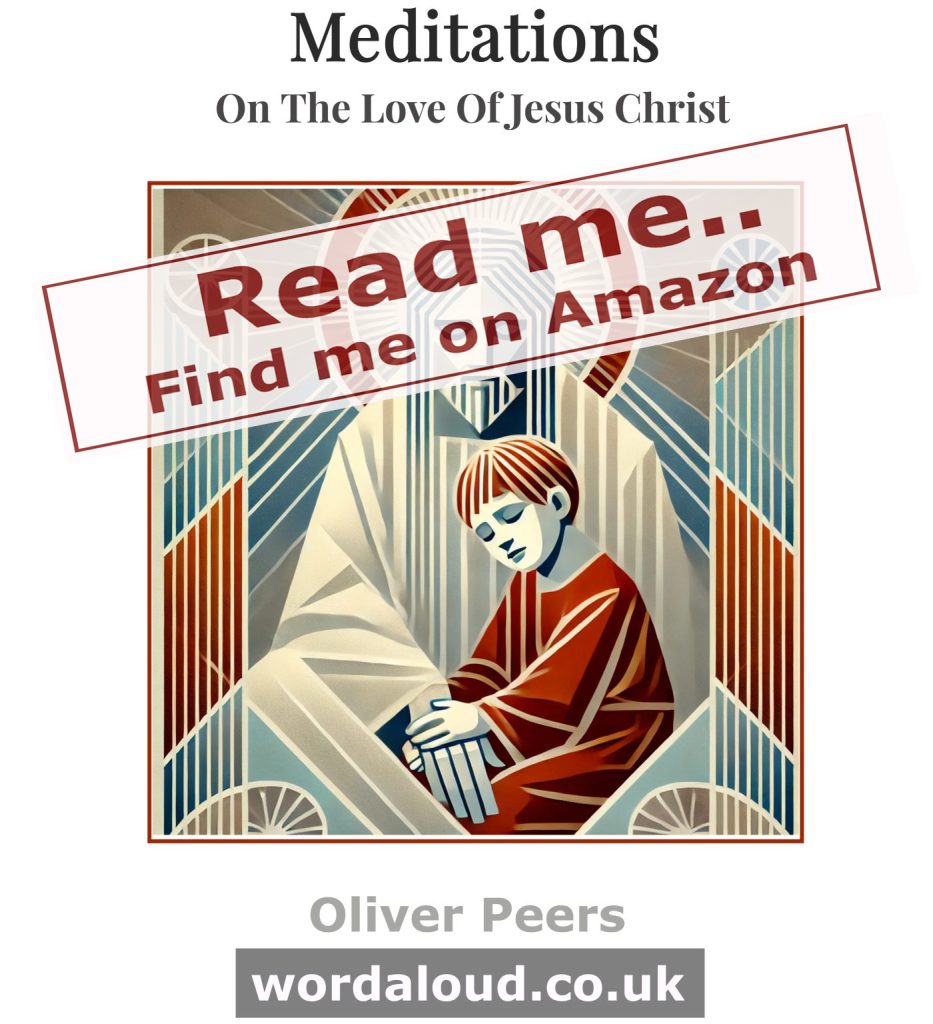

In this verse of Matthew’s Gospel, Jesus emphasizes the value and importance of children in the eyes of God. Jesus welcomes children with open arms and assures us that the kingdom of heaven belongs to such as these. This message highlights the need to care for and protect children, especially those who are most vulnerable. Jesus’ compassion for children is a powerful reminder of our responsibility to ensure children’s well-being and to provide them with the love and support they need [ … ]

Chapter 14 of John’s Gospel gives us a beautiful example of the ways in which the disciples learnt from Jesus. There is clear, honest and responsive asking of questions on matters the disciples are confused about, which Jesus readily answers, guiding them as a friend and teacher toward truth and faith. The relationship between Jesus and the disciples is very beautiful, and stands as a guide to how we should understand our own relationship with Jesus. He is our Lord, he is our teacher. He is also our friend [ … ]
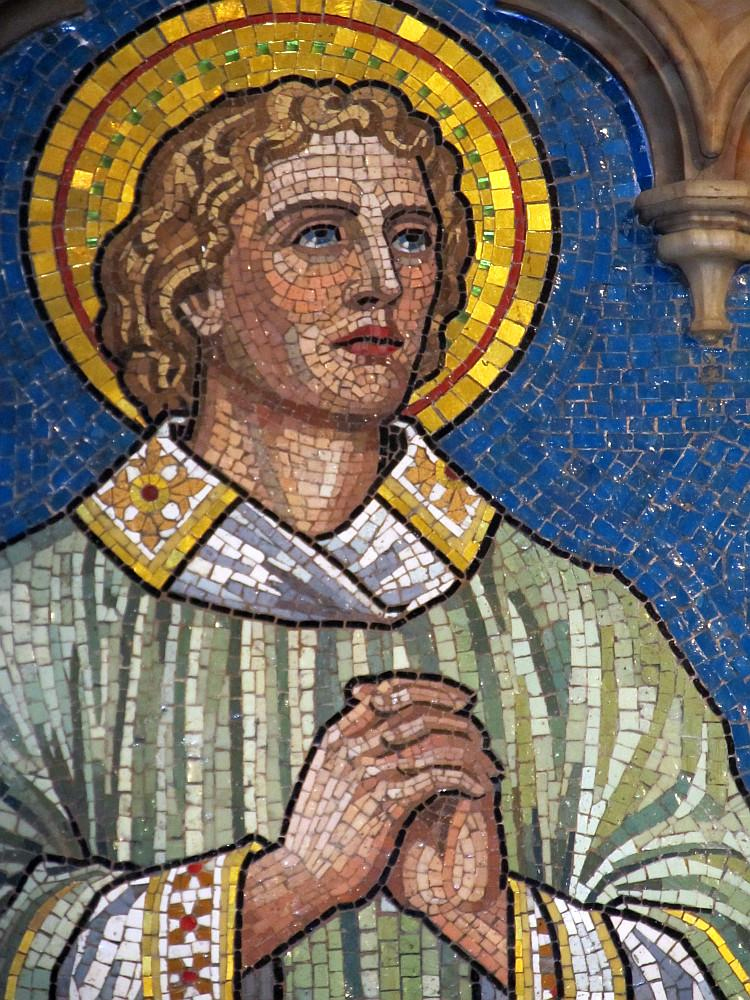
Acts 7 is among the most profound and dramatic passages in the New Testament. Saint Stephen, the first Christian martyr, stands before the council and offers not merely a defence of himself, but a sweeping interpretation of the whole history of Israel. His speech traces the movement of God’s covenantal action through Abraham, Joseph, Moses, the tabernacle, and the prophets, culminating in a fierce indictment of those who resisted the Holy Spirit and betrayed Jesus [ … ]