

Tomàs is in trouble. Read below as PDF or to find Tomàs
on Amazon, click here

To find Tomàs on Amazon, click here


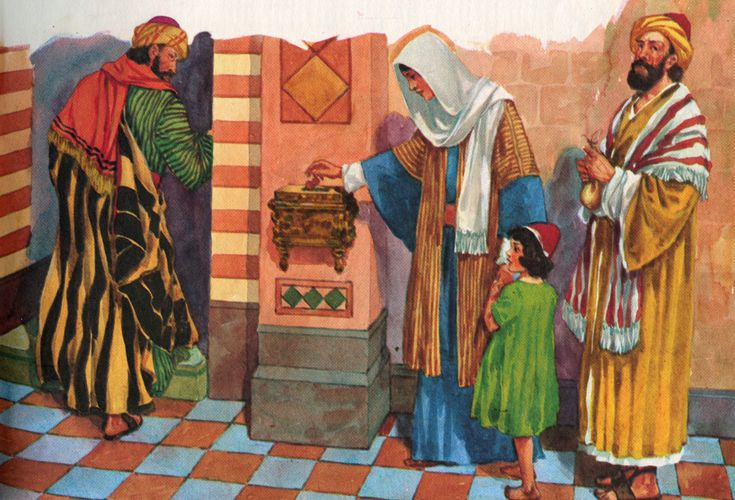
Liberation theology is a movement that emerged in Latin America in the 1960s and 1970s as a response to the region’s deep social and political injustices. It is a theology that emphasizes the importance of social and political action as a means of achieving liberation for the poor and marginalized. At its core, liberation theology seeks to address the structural roots of poverty and oppression, and to empower marginalized communities to take control of their own lives and destinies [ … ]
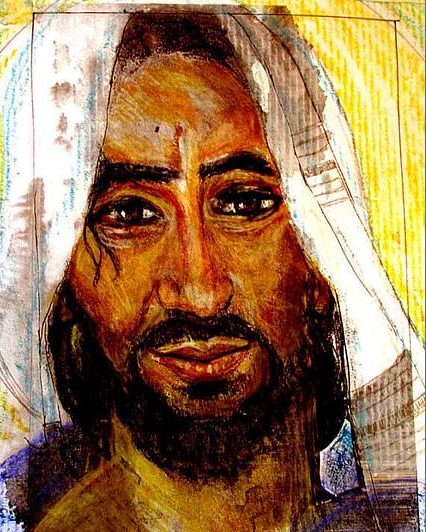
We can almost feel the crush of people pressing in upon Jesus, treading on each other’s toes and clamouring for a glimpse of him. This great tide of popularity is extraordinary. We are made aware of just how much so many people need something other than what they have – of how many unanswered questions they must have and of the spiritual longing they must experience. They are sheep in want of a shepherd. There is a great vacuum which Jesus comes to fill [ … ]

The text from Saint Irenaeus, read on Thursday of the third week of Eastertide in the Office of Readings, is a profound theological meditation on the relationship between the Eucharist and the resurrection of the body. It stands not merely as an apologetic against heresy, but as a luminous witness to the Church’s sacramental and eschatological faith—rooted in the Incarnation, expressed through liturgy, and fulfilled in the resurrection [ … ]
