
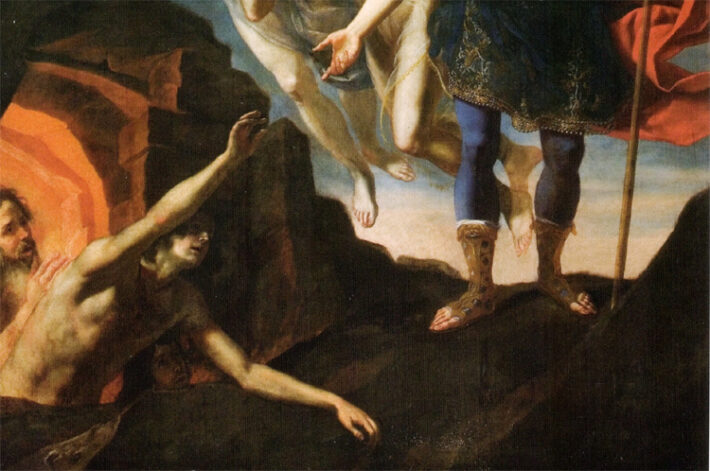
Christian Art | Purgatory | Prayers For The Dead | Prayer For Christian Souls
The Reading Is Of Hebrews 1 | King James Audio Bible
Eternal rest grant unto them, O Lord, and let perpetual light shine upon them. May they rest in peace. May their souls, and the souls of all the faithful departed, through the mercy of God, rest in peace. Amen
Purgatory | What Is The Meaning, Hell And Purgatory?
Purgatory is a concept that refers to a place or state of suffering that believers may pass through after death to purify their souls and become fit for heaven. Belief in Purgatory is accepted by Catholics and Eastern Orthodox Christians. It is not accepted by various Protestant denominations.
In the Catholic Church, Purgatory is believed to be a place or state of suffering that is temporary and where the souls of those who have died in a state of grace but are not yet fully purified are purified before they can enter heaven. It is believed to be a place of spiritual and moral purification, where the soul is cleansed of any remaining attachments to sin.
Catholics may pray for the souls of the deceased, in order to connect and through God to provide encouragement.
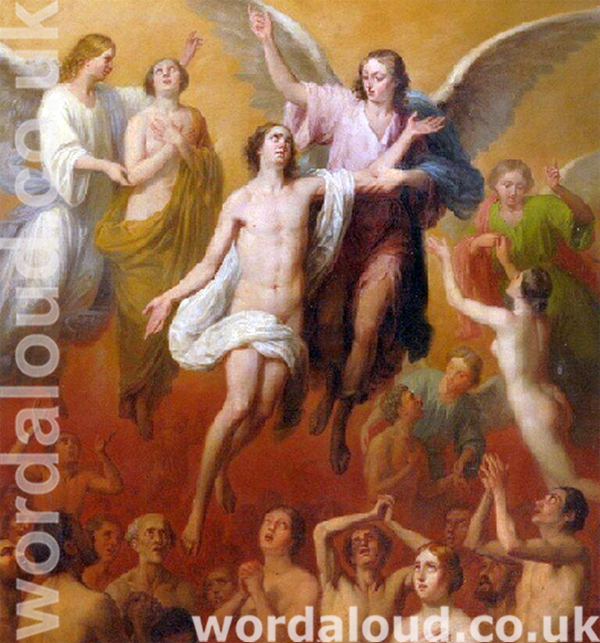
Can Protestants Pray For The Souls Of The Dead?
Regardless of one’s beliefs about Purgatory, prayer can be a powerful and meaningful way to show love and support for others, and to seek God’s presence in times of grief and loss. Some Christians may pray for the souls of the deceased, asking God to bring peace and comfort to their soul, or to offer thanksgiving for the life of the person who has died. Other Christians may choose to pray for the well-being of the deceased in other ways, such as asking God to provide strength and support to the living as they cope with the loss of a loved one.
Prayer can serve multiple purposes, and one of the ways it can be helpful is by providing comfort and support to the living. When someone is grieving the loss of a loved one, prayer can be a way to express feelings of sadness, pain, and longing, and to seek comfort and guidance from God. Many people find that praying helps them to feel connected to their loved one who has passed away, and to find a sense of peace and hope in difficult times.
Prayer can also be a way to honour and remember the person who has died, and to offer thanksgiving for their life. By praying for the deceased, Christians can express their love and appreciation for the person who has passed away, and ask God to bless their soul.
While specific beliefs about the nature and purpose of prayer for the deceased may vary among, many Christians believe that prayer can be a way to show love and concern for the soul of the person who has passed away, and to seek God’s guidance and presence on behalf of the deceased.
How Does Catholicism And The Church Relate To Prayer For The Dead?
In the Catholic Church, praying for the souls of the deceased is a way to show love and concern for others, even after they have passed away. It is a way to honour and remember the person who has died, and to seek God’s guidance and presence in times of grief and loss. Many Catholics believe that prayer can bring comfort and peace to the living, as well as to the souls of the deceased.
The Catholic Church teaches that the soul of a person who has died goes either to heaven, Purgatory, or hell. Purgatory is believed to be a place or state of suffering where the souls of those who have died in a state of grace but are not yet fully purified are purified before they can enter heaven. Catholics may pray for the souls of the deceased, especially during the month of November, which is traditionally known as the “Month of the Holy Souls.”
Praying for the deceased is a way for Catholics to express their love and concern for the person who has passed away, and to seek God’s mercy and guidance on behalf of the deceased. It is also a way to offer thanksgiving for the life of the person who has died, and to remember their contributions and the impact they had on the lives of others. By praying for the deceased, Catholics can find comfort and solace in times of grief and loss, and can turn to God for strength and support.
What Might A Bishop Say?
A Catholic bishop might also speak about the belief that the power of prayer is not limited by time or distance, and that the prayers of the living can reach the souls of the deceased and bring them comfort and peace. The bishop might encourage Catholics to pray for the deceased as a way to honor and remember the person who has died, and to offer thanksgiving for their life.
The bishop might also talk about the importance of praying for the deceased in the context of the Catholic Church’s belief in the Communion of Saints, which is the belief that the Church on earth, the Church in heaven, and the Church in Purgatory are all connected and can support and pray for one another. By praying for the deceased, Catholics can ask for the intercession of the saints in heaven, and can offer their own prayers and sacrifices on behalf of the souls in Purgatory.
Finally, the bishop might encourage Catholics to remember that praying for the deceased is not only an act of love and concern, but also an expression of hope and faith in God’s mercy and love. The bishop might remind Catholics that even in times of loss and grief, they can turn to God and find comfort, strength, and hope in their faith.
A Catholic Bishop Might Go On To Say:
- On the importance of praying for the deceased: “We are all members of the same body, and when one member suffers, we all suffer with it. That is why we should always pray for one another, especially for those who have passed away. By praying for our loved ones who have died, we show our love and concern for them, and we seek God’s mercy and guidance on their behalf. As it says in 1 Timothy 2:1, ‘First of all, then, I urge that supplications, prayers, intercessions, and thanksgivings be made for all people.’ Let us pray for our loved ones who have passed away, and ask God to bring them peace and comfort in their eternal rest.”
- On the role of Purgatory in the Catholic faith: “In the Catholic faith, we believe in the existence of Purgatory, a place or state of suffering where the souls of those who have died in a state of grace but are not yet fully purified are purified before they can enter heaven. We believe that the power of God’s love and mercy can transform even the most troubled souls, and that through the prayers and sacrifices of the living, the souls in Purgatory can be helped on their journey to eternal life. As it says in 2 Maccabees 12:45-46, ‘Therefore he made atonement for the dead, that they might be delivered from their sin. And because he considered that they who had fallen asleep with godliness had great grace laid up for them. It is therefore a holy and wholesome thought to pray for the dead, that they may be loosed from sins.’ Let us pray for the souls of the deceased, especially during the Month of the Holy Souls, and ask God to bring them peace and comfort in their time of purification.”
- On the importance of prayer as a source of comfort and solace: “In times of grief and loss, it can be hard to find comfort and peace. But as believers, we know that God is always with us, and that his love and mercy are boundless. When we pray for the deceased, we turn to God and ask for his guidance and presence, and we find comfort and solace in his love. As it says in Psalm 23:4, ‘Even though I walk through the darkest valley, I will fear no evil, for you are with me; your rod and your staff, they comfort me.’ Let us pray for our loved ones who have passed away, and ask God to bring them peace and comfort in their eternal rest. And let us also pray for ourselves, that God may give us strength and support as we cope with the loss of a loved one.”
- On the importance of praying for the deceased as an expression of hope and faith: “Even in times of loss and grief, we can find hope and comfort in our faith. By praying for the deceased, we express our hope in the power of God’s love and mercy, and we trust that he will bring our loved ones to eternal life. As it says in Romans 8:38-39, ‘For I am sure that neither death nor life, nor angels nor rulers, nor things present nor things to come, nor powers, nor height nor depth, nor anything else in all creation, will be able to separate us from the love of God in Christ Jesus our Lord.’ Let us hold on to this hope and trust in God’s love, even in the face of death and loss. And let us pray for our loved ones who have passed away, asking God to bring them to eternal life and to fill them with the joy and peace of his presence. By praying for the deceased, we show our love and concern for them, and we express our hope and faith in God’s mercy and love.”
- On the belief that the power of prayer is not limited by time or distance: “We believe that the power of prayer is not limited by time or distance, and that the prayers of the living can reach the souls of the deceased and bring them comfort and peace. No matter how long it has been since our loved ones have passed away, we can still pray for them and ask God to guide and bless them in their eternal rest. As it says in James 5:16, ‘Therefore, confess your sins to one another and pray for one another, that you may be healed. The prayer of a righteous person has great power as it is working.’ Let us pray for our loved ones who have passed away, and ask God to bring them peace and comfort in their eternal rest.”
- On the role of the Communion of Saints: “In the Catholic faith, we believe in the Communion of Saints, which is the belief that the Church on earth, the Church in heaven, and the Church in Purgatory are all connected and can support and pray for one another. We believe that the saints in heaven, who are in the presence of God and free from all suffering, can intercede on our behalf and pray for us. And we believe that we can offer our own prayers and sacrifices on behalf of the souls in Purgatory, helping them on their journey to eternal life. As it says in Hebrews 12:1, ‘Therefore, since we are surrounded by so great a cloud of witnesses, let us also lay aside every weight, and sin which clings so closely, and let us run with endurance the race that is set before us.’ Let us pray for our loved ones who have passed away, and ask for the intercession of the saints in heaven. And let us also offer our own prayers and sacrifices on behalf of the souls in Purgatory, that they may be helped on their journey to eternal life.”
- On the importance of remembering the deceased and offering thanksgiving for their life: “As we pray for our loved ones who have passed away, it is important to remember them and to offer thanksgiving for their life. By remembering the contributions and the impact that our loved ones had on our lives, we honor their memory and show our love and appreciation for them. And by offering thanksgiving for the life of our loved ones, we express our gratitude for the time we shared with them and for the blessings they brought into our lives. As it says in Colossians 3:15, ‘And let the peace of Christ rule in your hearts, to which indeed you were called in one body. And be thankful.’ Let us remember our loved ones who have passed away, and offer thanksgiving for their life. And let us also pray for them, asking God to bring them peace and comfort in their eternal rest.”



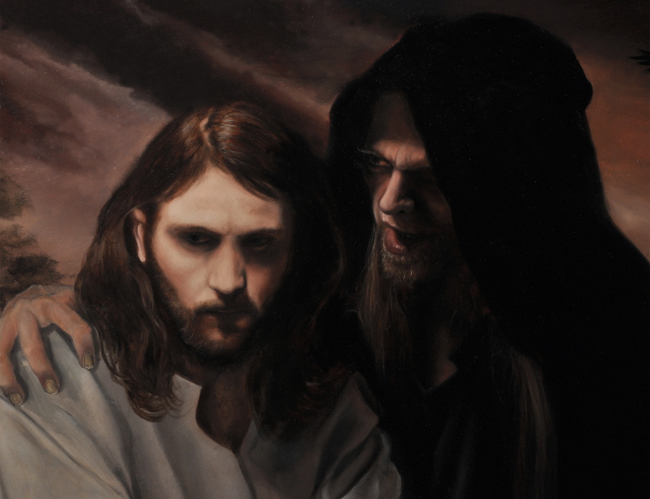
The temptations of Christ in the wilderness follow immediately upon his baptism by John, the descent of the Spirit upon him and the declaration of Christ as the Son of God. Jesus has offered himself to perform what is now our first act of Christian initiation, to be baptized. When we are baptized, we are born again in Christ, and we recall the rite practised by John as we imitate Christ. As we embark upon Lent, once more following Christ’s example, we are called to renew our baptismal promises through the acts of penitence we make, once more following Christ’s example [ … ]
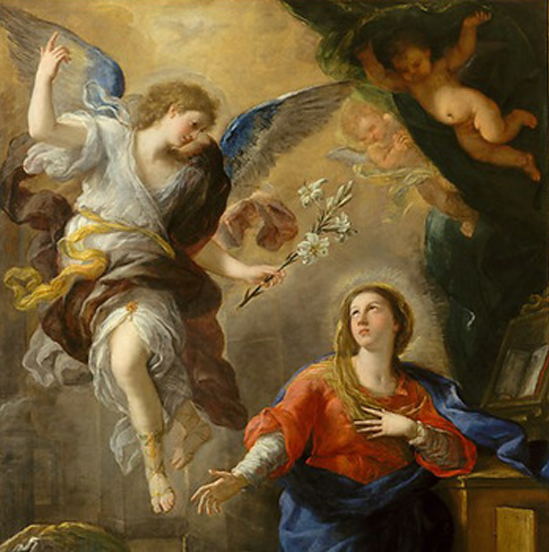
Sometimes, when I read my Bible, I pause in the reading and say to myself: ‘This bit’s real.’ It would be fair to say, I have issues with Mary, because, contrary to what we are taught to say, Mary isn’t my mother. Rather: Mum is. One bit of the Bible-text says this: And when his family heard it, they went out to seize him, for people were saying, “He is beside himself.” … And his mother and his brothers came; and standing outside they sent to him and called him. And a crowd was sitting about him; and they said to him, “Your mother and your brothers are outside, asking for you.” And he replied, “Who are my mother and my brothers?” And looking around on those who sat about him, he said, “Here are my mother and my brothers! Whoever does the will of God is my brother, and sister, and mother.” (Mark 3: 21; 31-35.) Here she comes. She is in considerable distress. I can imagine that. I can relate to that. To save her boy from whatever he’s got himself into this time. And you’re not telling me there isn’t something inside that. Her boy is beside himself. Radical. Radicalized. Radicalizing. A misunderstood word. /ˈradɪk(ə)l/ adjective & noun. 1 Forming the root, basis, or foundation; original, primary. 2a Inherent in the nature of a thing or person; fundamental. b Of action, change, an idea: going to the root or origin; far-reaching, thorough. c Advocating thorough or far-reaching change. d Characterized by departure from tradition; progressive; unorthodox. ‘He has a demon! And he is mad!’ – thus ‘the Jews’. (e.g. John 10: 20.) Come home! It’s all she wants. His family want him back now. But it is an exclusive cult: there is an inside and there is an outside; and on the outside, they are not meant to understand, lest they be converted. He has defined himself as different from anything she was. Only at the end does Jesus say to his Mum – and with savage, bitter irony: ‘Woman, behold your son.’ And then he dies. Hail Mary, full of grace, the Lord is with thee. Blessed art thou among women and blessed is the fruit of thy womb Jesus. Holy Mary, Mother of God, pray for us sinners now and at the hour of our death. We ask that we might find Mary in our hearts as a Yes! place for Jesus. It is also recommended that we pray to Jesus that we may be further in oneness with Mary. It is self-emptying, such that we only exist insofar as we are responsive to God’s Word. * Last term, and put-out to pasture, the old Archbishop Emeritus came over to stay for a few days and did the odd class with us. He spoke of Yes! as the meaning of Mary’s virginity. And we were not very nice about him. One or two took umbrage. One or two got the hump. In a sense, his Grace, the Arch, basically wanted to move anyone he’d ever known from a high-place – a mountain – received theological ‘truth’ – to an imminent, human plane. Earthing the spiritual. Recalibrating metrics of life’s believability toward a spiritual sense of things. He might have asked the impermissible question: what happened? His Grace described it. God’s love as a cloud. This descended upon Mary – and subsumed her. Within the cloud, Mary capitulated utterly. She became only and purely a response to God’s love. As he spoke, the Arch cradled her. He carried her in his lap – in his hands. His Grace was a consecrated bishop. He was faith. He sat squat, a rounded man, hands cupped and ankles crossed, fingers interlocked, with parted thighs. Rumpled, washed, speckled. A lifetime’s skin… There could be no doubt His Grace spoke through long-term personal relationship with Mary. It was Julian went for him: ‘So are you saying Mary was a Virgin? Or are you not saying Mary was a Virgin?’ Nasty. No, it wasn’t pretty. Julian twisting his silver ring. For a moment, what Julian had said to the Arch simply failed to communicate. No, for a moment, that dumped on the air meant nothing. Then His Grace said: ‘There is a range of possible meanings we may understand in the question of Mary’s virginity. For example, there are understandings of the word virginity entailed in the action of giving birth.’ Julian said: ‘Duh! So had she had sex or hadn’t she?’ Trigger words. No, it wasn’t pretty. On that went for a little while. At length, Julian’s point seemed reluctantly conceded. Then the Arch told us a new story, an additionally human event, the more to baffle us. Controversially, he told us that Mary could not have been Joseph’s first wife, for this would not have been the way of things in the society of that time. His belief was that Joseph must have taken Mary into his household through pity. That would be normal, he said, for Joseph to bring a young, vulnerable girl, who is about to have a baby, within his protection, not meaning to enjoy with her marital relations, but through kindness. ‘And this story of the inn and stable,’ the Archbishop said, ‘it can’t have been like that really. Joseph has travelled with Mary to stay with his family, at home in Bethlehem, and they don’t want Mary in their house, for reasons which I am sure we can understand. It must have been there was considerable resistance to Mary. But Mary gives birth, and who can resist a baby? That’s what happened. It must have been. ‘I’m convinced that must have been how it happened really.’ Later that term, toward the beginning of Advent, we met boys who had been here before, in Valladolid, and now were in regular seminary. They had heard and recited verbatim all the Archbishop had said to them. Their spot-on impressions of each of the fathers were scathing. […]

Origen reflects on the petition ‘Thy kingdom come’ as a request not for an external spectacle but for an interior reality. He begins with Christ’s teaching that the kingdom does not arrive with visible signs, for it is ‘within us and in our hearts’. With this, Origen redirects attention away from expectation of outward change and towards the inner life in which God’s reign is established through grace. The prayer for the kingdom is therefore a prayer for transformation: that God’s life may take root, grow, and reach its intended fullness within the believer [ … ]
