
Christian Art | Prayer With Jesus | Psalms | Greatness And Goodness Of God | King David As A Boy | Audio KJV | Love Revealed By Jesus Christ | King James Audio Bible
Psalm 145 | King James Audio Bible
YouTube: Psalm 145 KJV | King James Audio Bible | Word Aloud
Psalm 145, attributed to David, is acclamation of God’s sovereign rule, a declaration of God’s goodness, and a commitment to perpetual praise. The psalm is tapestry of worship, characterizing God with honorific titles and extolling God’s attributes and deeds. The psalm begins with a personal vow from the psalmist to extol God, ‘I will extol thee, my God, O king; and I will bless thy name for ever and ever.’
The psalmist’s promise to bless God every day establishes a rhythm of ceaseless praise, ‘Every day will I bless thee; and I will praise thy name for ever and ever.’ This refrain not only sets a personal precedent but also an eternal principle for worship. Ensuing verses magnify God’s greatness, ‘Great is the LORD, and greatly to be praised; and his greatness is unsearchable.’ This unsearchable nature of God’s greatness ackowledges infinite depth to God’s character, beyond understanding and which warrants continuous exploration through praise.
In communal aspect, the psalmist speaks of generational praise, ‘One generation shall praise thy works to another, and shall declare thy mighty acts.’ Mention of generations indicates a legacy of worship that transcends time, each generation having a role in declaring God’s works and mighty acts to the next.
The psalm recounts God’s attributes and deeds. The psalmist commits to speaking of the glory of God’s majesty and works, ‘I will speak of the glorious honour of thy majesty, and of thy wondrous works.’ The declaration of God’s mighty and terrible acts, ‘And men shall speak of the might of thy terrible acts: and I will declare thy greatness,’ invokes awe and reverence for God’s powerful deeds.
The psalm describes God’s character as gracious, compassionate, slow to anger, and of great mercy, ‘The LORD is gracious, and full of compassion; slow to anger, and of great mercy.’ This characterization provides contrast to the earlier depiction of might and terror, presenting a balanced image of God as
The psalm speaks to universal scope of God’s goodness, ‘The LORD is good to all: and his tender mercies are over all his works.’ This universal goodness extends to all creation, not limited by boundaries or distinctions. The psalm continues to depict a God who is intimately involved in the care of His creation, ‘The LORD upholdeth all that fall, and raiseth up all those that be bowed down.’
The psalmist reflects on God’s provision, affirming that all living creatures look to Him for sustenance, ‘The eyes of all wait upon thee; and thou givest them their meat in due season.’ This provision is described as an open-handed generosity that satisfies the desire of every living thing, ‘Thou openest thine hand, and satisfiest the desire of every living thing.’
Righteousness and holiness are ascribed to all of God’s ways and works, ‘The LORD is righteous in all his ways, and holy in all his works,’ highlighting the perfection and purity of divine action. The nearness of God to those who call upon Him in truth underscores the relational nature of God, ‘The LORD is nigh unto all them that call upon him, to all that call upon him in truth.’
The psalm assures that God fulfills the desires of those who fear God, listens to their cries, and saves them, ‘He will fulfil the desire of them that fear him: he also will hear their cry, and will save them.’ God’s preservation of those who love Him is juxtaposed with the destruction of the wicked, ‘The LORD preserveth all them that love him: but all the wicked will he destroy.’
The psalm concludes with a personal and universal call to praise, ‘My mouth shall speak the praise of the LORD: and let all flesh bless his holy name for ever and ever.’ This final verse binds individual commitment to collective responsibility to bless God’s name continually.


Psalm 145 | King James Audio Bible
I will extol thee, my God, O king; and I will bless thy name for ever and ever.
Every day will I bless thee; and I will praise thy name for ever and ever.
Great is the LORD, and greatly to be praised; and his greatness is unsearchable.
One generation shall praise thy works to another, and shall declare thy mighty acts.
I will speak of the glorious honour of thy majesty, and of thy wondrous works.
And men shall speak of the might of thy terrible acts: and I will declare thy greatness.
They shall abundantly utter the memory of thy great goodness, and shall sing of thy righteousness.
The LORD is gracious, and full of compassion; slow to anger, and of great mercy.
The LORD is good to all: and his tender mercies are over all his works.
All thy works shall praise thee, O LORD; and thy saints shall bless thee.
They shall speak of the glory of thy kingdom, and talk of thy power;
To make known to the sons of men his mighty acts, and the glorious majesty of his kingdom.
Thy kingdom is an everlasting kingdom, and thy dominion endureth throughout all generations.
The LORD upholdeth all that fall, and raiseth up all those that be bowed down.
The eyes of all wait upon thee; and thou givest them their meat in due season.
Thou openest thine hand, and satisfiest the desire of every living thing.
The LORD is righteous in all his ways, and holy in all his works.
The LORD is nigh unto all them that call upon him, to all that call upon him in truth.
He will fulfil the desire of them that fear him: he also will hear their cry, and will save them.
The LORD preserveth all them that love him: but all the wicked will he destroy.
My mouth shall speak the praise of the LORD: and let all flesh bless his holy name for ever and ever.

Psalm 145 | King James Audio Bible
- Ceaseless Praise: Commitment to perpetual adoration of God’s name.
- God’s Greatness: Acknowledgment of the Lord’s immeasurable and unfathomable greatness.
- Intergenerational Worship: The passing of praise and recounting of God’s deeds from one generation to another.
- Majesty And Works: Reflection on the glorious honor of God’s majesty and His wondrous works.
- Balance Of Power And Mercy: Depiction of God as both mighty in acts and full of compassion and mercy.
- Universal Goodness: Recognition of the Lord’s goodness extending to all His creations.
- Providence And Care: God’s role as sustainer and provider for all living things.
- Righteousness In Deeds: God’s actions characterized by righteousness and holiness.
- Divine Proximity: The nearness of God to those who call upon Him in truth.
- Responsive Deliverance: God’s fulfillment of the desires and cries for help from those who fear Him.
- Protection And Justice: Contrast between God’s preservation of the faithful and the destruction of the wicked.
- Call To Universal Praise: An invitation for all to bless God’s holy name eternally.




Blessed are those who choose to respond to others with mercy rather than judgment. The merciful recognize their own imperfections and extend grace to others who may have wronged them. They choose forgiveness over resentment, love over anger, and compassion over harshness. In their acts of mercy, they experience the freedom of releasing grievances and find themselves recipients of God’s abundant mercy [ … ]

Psalm 124 is a narrative of danger, deliverance, and gratitude. The psalm moves from contemplation of what might have been to a celebration of what is – the Lord’s protection and deliverance. The psalm serves as reminder of the need for divine protection and the importance of acknowledging and giving thanks for such protection. Psalm 124 is a testament to faith in the face of adversity and the power of divine intervention [ … ]
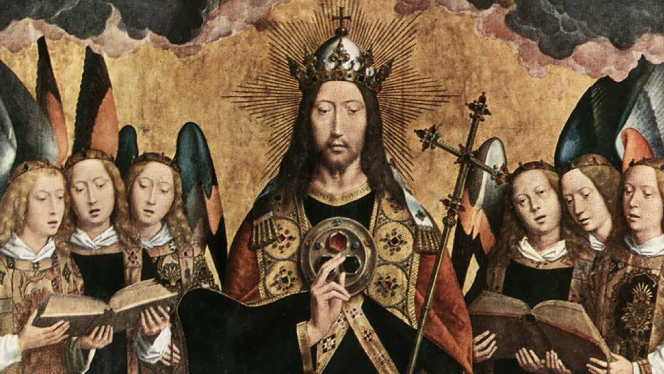
Christ prepares to be crucified. This may seem very strange as we look forward to Advent, and these really are the events of Holy Week. And yet this declaration of Christ’s coming again can be seen as a wonderful culmination of the Church year. Christ’s promise of resurrection and eternal life marks the summit of Christian faith. The declaration of Christ the King, our knowledge Christ is King, is a wonderful thought to carry through the coming weeks of Advent as we prepare to celebrate Christ’s birth [ … ]