
Christian Art | George Herbert | The Temple | The Church | Christmas
George Herbert | The Temple | The Church | Christmas
All after pleasures as I rid one day,
My horse and I, both tir’d, bodie and minde,
With full crie of affections, quite astray;
I took up in the next inne I could finde.
There when I came, whom found I but my deare,
My dearest Lord, expecting till the grief
Of pleasures brought me to him, readie there
To be all passengers most sweet relief?
Thou, whose glorious, yet contracted light,
Wrapt in nights mantle, stole into a manger;
Since my dark soul and brutish is thy right,
Man of all beasts be not thou a stranger:
Furnish and deck my soul, that thou mayst have
A better lodging, then a rack, or grave.
The shepherds sing; and shall I silent be?
My God, no hymne for thee?
My soul’s a shepherd too; a flock it feeds
Of thoughts, and words, and deeds.
The pasture is thy word: the streams, thy grace
Enriching all the place.
Shepherd and flock shall sing, and all my powers
Out-sing the day-light houres.
Then we will chide the sunne for letting night
Take up his place and right:
We sing one common Lord; wherefore he should
Himself the candle hold.
I will go searching, till I finde a sunne
Shall stay, till we have done;
A willing shiner, that shall shine as gladly,
As frost-nipt sunnes look sadly.
Then we will sing, and shine all our own day,
And one another pay:
His beams shall cheer my breast, and both so twine,
Till ev’n his beams sing, and my musick shine

George Herbert | The Temple | The Church | Christmas
The poem presents a spiritual progression from weariness and disconnection to renewed purpose and communion with the divine. Herbert describes a personal journey marked by exhaustion, seeking rest after being drawn away by worldly pleasures. Imagery of travel, with Herbert and his horse both ‘tired, body and mind’, introduces a state of spiritual depletion. The search for respite in an inn, a place of temporary shelter, symbolizes the soul pausing in its pursuit of lasting fulfillment. The moment of pause becomes transformative, as Herbert unexpectedly encounters Christ, described as ‘my dearest Lord’, waiting as a silent presence, ready to offer comfort once the grief brought by pleasures subsides.
The poem emphasizes Christ’s humility. The phrase ‘glorious, yet contracted light’ reflects the paradox of divine majesty reduced to human form. His ‘contracted’ state, wrapped in ‘night’s mantle’ and lying in a manger, recalls the nativity and the divine choice to enter the world in vulnerability. This image of Christ as both powerful and humble mirrors Herbert’s spiritual state: despite the darkness of his soul, described as ‘brutish’, he recognizes that Christ holds a rightful claim over it. The request for Christ to ‘furnish and deck my soul’ reflects the desire for personal transformation, as Herbert invites the divine presence to occupy his being. The contrast between the soul as a potential ‘better lodging’ and its current condition, likened to a ‘rack’ or a ‘grave’, underscores the spiritual need for purification and grace.
The poem shifts from introspection to praise as Herbert identifies his soul with the image of a shepherd, tasked with guiding a ‘flock’ of thoughts, words, and deeds. This pastoral metaphor connects Herbert’s experience with the biblical narrative of the shepherds at Christ’s birth, emphasizing the simplicity and sincerity of worship. The divine word is described as ‘the pasture’ and grace as ‘the streams’, images of nourishment and growth, suggesting that spiritual sustenance arises from both divine revelation and human response.
Imagery of light and music emerges as central to Herbert’s understanding of worship. He criticizes the sun for permitting night to interrupt praise, expressing a longing for continuous divine illumination. The sun’s presence, fleeting in earthly time, is contrasted with Herbert’s search for a ‘willing shiner’, a divine light that will endure beyond temporal rhythms. The desire for perpetual praise culminates in the merging of light and song, where the ‘beams’ of divine presence ‘cheer my breast’ and blend with Herbert’s music. This fusion of imagery implies that true worship is not confined to words but is embodied in the entire self—thought, voice, and spiritual openness intertwined with divine presence.
Tension between human limitation and divine grace runs throughout the poem. Herbert’s initial fatigue and awareness of his spiritual inadequacy contrast with Christ’s quiet readiness to offer relief. The divine presence is constant, yet Herbert must reach a point of surrender and self-recognition before receiving it fully. Worship, as described, becomes both an act of personal expression and a participation in divine reality, where human devotion and divine presence meet in harmony.
The poem concludes with a vision of spiritual wholeness where light and music become one. Herbert’s desire to ‘sing and shine’ mirrors the earlier wish for his soul to be made a fitting dwelling for Christ. A progression from weariness to praise reveals a spiritual journey where brokenness gives way to restoration. Divine grace is not earned but received in the readiness to be transformed. Through its layered metaphors and reflective structure, the poem articulates the soul’s yearning for divine intimacy, portraying worship as both a response to grace and an expression of unity with God.



As I reflect upon the Annunciation to Mary, I am filled with a sense of awe and wonder at the way God works in our lives. The story of the angel Gabriel appearing to Mary to announce that she will conceive and bear a son is a powerful reminder of God’s love and mercy, and of the miraculous ways in which He works in our lives [ … ]
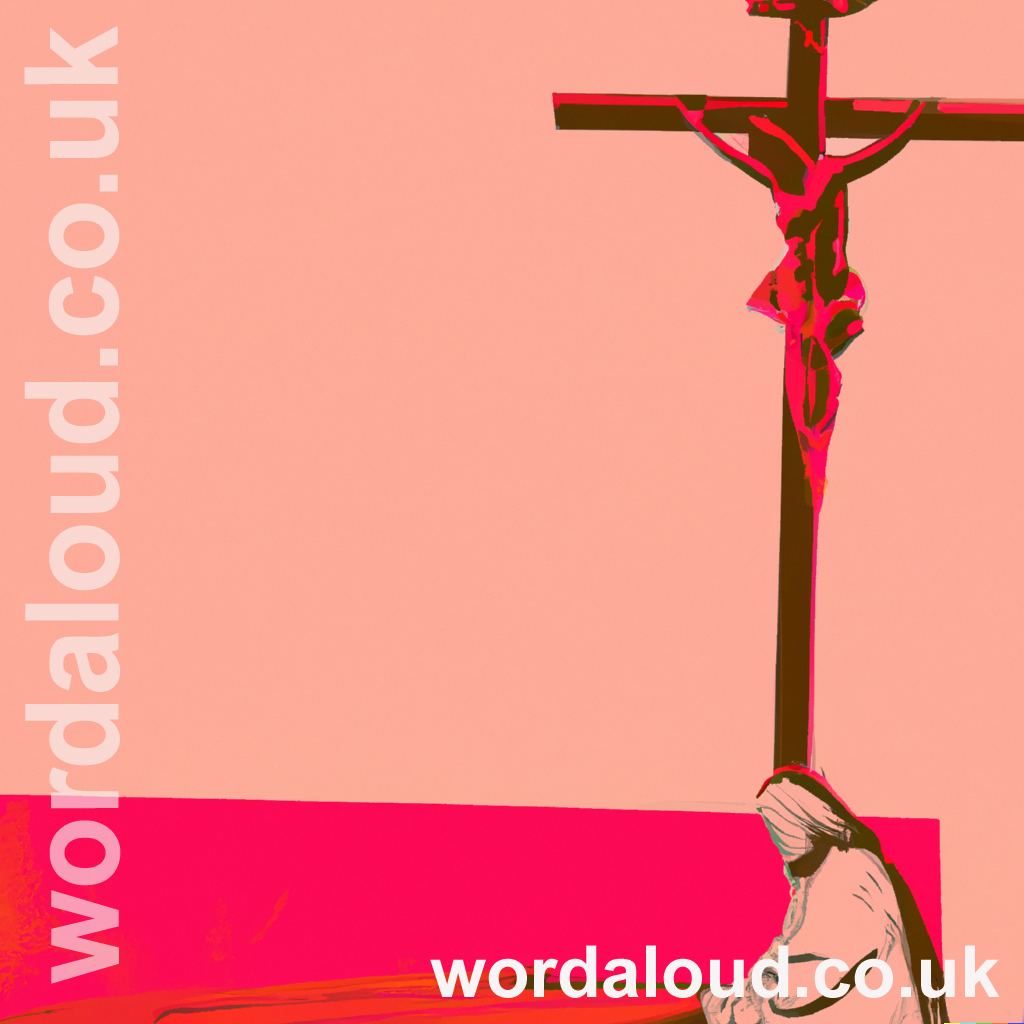
‘What is truth?’ So asks Pontius Pilate at the show-trial of Jesus. Pilate’s question dismisses and inherently rejects categorical truth as value. Pilate throws the truth to the masses – who cry for the blood of Jesus. As Christians, we hope – we pray, we ask – to adhere to truth. This is our truth: that Jesus is the Son of God, that Jesus died for our sins, and that through Jesus we can attain salvation. Yet, even as we seek to live in the truth, we are tested and tempted, just as Jesus was in the wilderness by Satan [ … ]
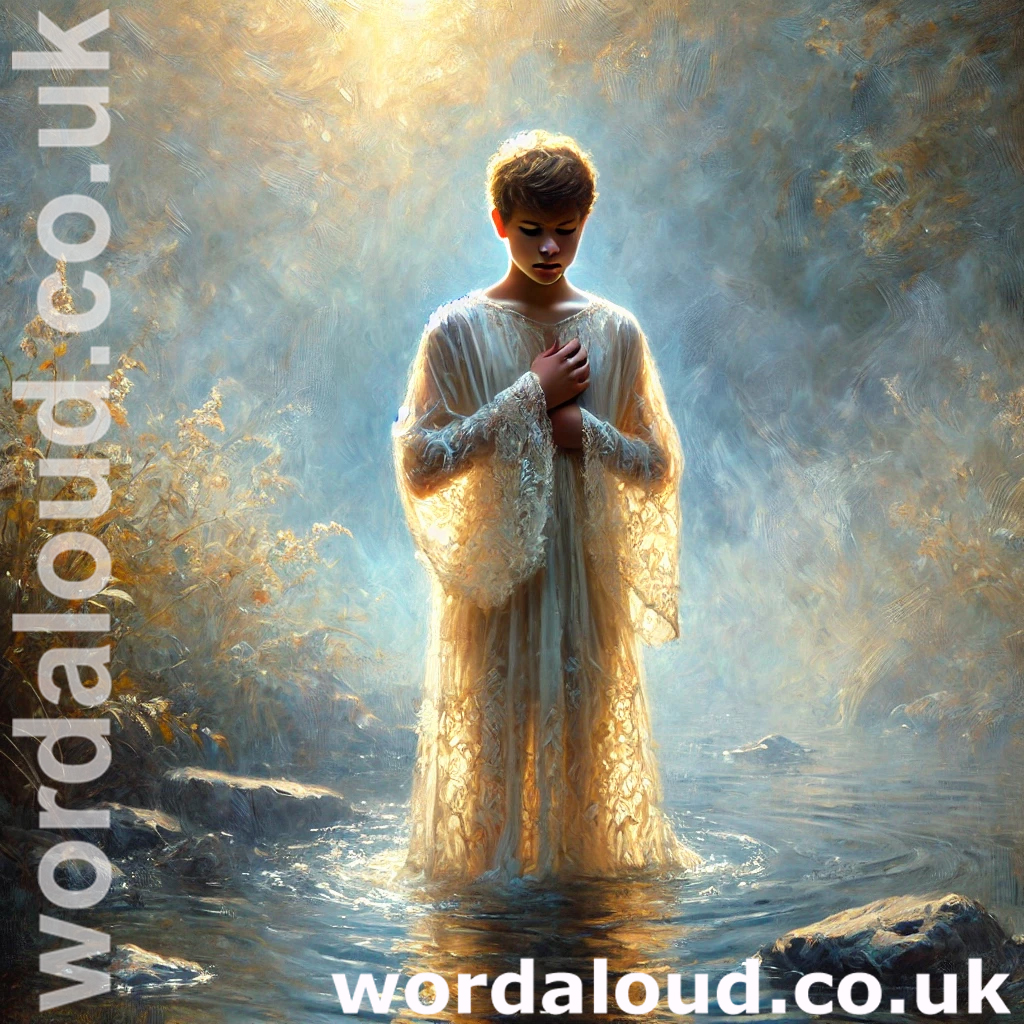
In this Easter sermon, Saint Augustine speaks tenderly and passionately to the newly baptized, those who have recently passed through the saving waters of baptism at the Easter Vigil. His words are full of warmth, joy, and hope, as he invites these ‘little children in Christ’ to recognize the extraordinary gift they have received and to live according to the new life that has been planted within them [ … ]