

Christian Art | Jesus Preaches To His Disciples
Office Of Readings | Week 22, Monday, Ordinary Time | A Reading From The Imitation Of Christ | I Have Taught My Prophets
‘I have taught my prophets.’
The reading, presented as the voice of Christ addressing the disciple, reflects the central themes of The Imitation of Christ — listening to God’s word with humility, preferring eternal truth over temporal vanities, and persevering in faith through both trials and consolations.
The opening draws upon John 6:63: ‘My words are spirit and life.’ Christ’s teaching surpasses human philosophy, not because it denies reason but because it transcends the limits of human wisdom. The divine word must be received not through intellectual pride or self-serving interpretation, but through silence, humility, and love. The silence emphasised here suggests interior stillness, a disposition in which God’s voice can be heard beyond the distractions of worldly concerns.
The text recalls Psalm 94(93):12–13: ‘Blessed is the man whom you instruct, O Lord, and teach out of your law.’ Instruction in the divine law is presented not as abstract knowledge but as practical guidance that strengthens the believer in the ‘evil day.’ The contrast is drawn between God’s constant speaking through the prophets and humanity’s frequent deafness and obstinacy. This theme echoes biblical laments about Israel’s unresponsiveness (e.g., Isaiah 6:9–10; Matthew 13:14–15).
The critique of human behaviour centres on the disproportionate zeal with which people pursue worldly goods compared with their lukewarm pursuit of eternal life. Earthly rulers and transient pleasures attract devoted service, while God’s promises — eternal and unfailing — are often neglected. The text warns that misplaced zeal leads to deception and disappointment, while God’s word is certain and faithful.
The voice of Christ also highlights the necessity of perseverance: ‘What I have promised I shall give … I am the rewarder of all good men.’ This assurance recalls Hebrews 11:6, where God is described as ‘the rewarder of those who diligently seek him’. Yet the promise of reward is balanced with the reality of testing. God’s elect are ‘visited’ in two ways: through temptation, which exposes faults and humbles the soul, and through consolation, which strengthens and encourages. Both form part of divine pedagogy, teaching believers through correction and encouragement alike.
The reading closes with a warning: possession of God’s word without obedience leads to judgement. This echoes Jesus’ own teaching in John 12:48: ‘The word that I have spoken will judge him on the last day.’ Thus, the disciple is urged to write these words in the heart — an interiorisation of Scripture that shapes life and prepares for perseverance in trial.

A Reading From The Imitation Of Christ | I Have Taught My Prophets
My son, says the Lord, listen to my words, the most delightful of all words, surpassing all the knowledge of the philosophers and wise men of this world. My words are spirit and life and cannot be comprehended by human senses alone. They are not to be interpreted according to the vain pleasure of the listener, but they must be listened to in silence and received with all humility and great affection.
And I said: Blessed is the man whom you teach, Lord, and whom you instruct in your law; for him you soften the blow of the evil day, and you do not desert him on the earth.
The Lord says, I have instructed my prophets from the beginning. Even to the present time I have not stopped speaking to all men, but many are deaf and obstinate in response.
Many hear the world more easily than they hear God; they follow the desires of the flesh more readily than the pleasure of God. The world promises rewards that are temporal and insignificant, and these are pursued with great longing; I promise rewards that are eternal and unsurpassable, yet the hearts of mortals respond sluggishly.
Who serves and obeys me in all matters with as much care as the world and its princes are served?
Blush, then, you lazy, complaining servant, for men are better prepared for the works of death than you are for the works of life. They take more joy in vanity than you in truth.
Yet they are often deceived in their hope, while my promise deceives no one, and leaves empty-handed no one who confides in me. What I have promised I shall give; what I have said I will fulfil for any man who remains faithful in my love unto the very end. I am the rewarder of all good men, the one who rigorously tests the devoted.
Write my words in your heart and study them diligently, for they will be absolutely necessary in the time of temptation. Whatever you fail to understand in reading my words will become clear to you on the day of your visitation.
I visit my elect in a double fashion: that is, with temptation and with consolation. And I read to them two lessons each day: one to rebuke them for their faults; the other to exhort them to increase their virtue.
He who possesses my words, yet spurns them, earns his own judgement on the last day.
Christian Prayer With Jesus Christ
Lord Jesus Christ,
your words are spirit and life,
surpassing the wisdom of this world.
Grant us ears to hear your voice with humility,
hearts to treasure your promises,
and strength to endure both testing and consolation.
May we prefer your eternal reward above passing things
and remain faithful in your love until the end.
For you live and reign with the Father and the Holy Spirit,
one God, for ever and ever. Amen.
Glossary Of Christian Terms
The Imitation of Christ – A spiritual classic, written in the early 15th century and traditionally attributed to Thomas à Kempis, focusing on humility, obedience, and following Christ in daily life.
‘My words are spirit and life’ – A reference to John 6:63, where Jesus describes the life-giving power of his teaching.
Silence and humility – Key dispositions in Christian spirituality, understood as openness to God beyond pride or distraction.
Psalm 94(93):12–13 – A biblical source for the blessing of divine instruction and consolation in trials.
Deaf and obstinate – Biblical imagery for human resistance to God’s word, used by prophets and repeated in the New Testament.
Visitation – God’s active presence in a believer’s life, experienced both in trial (temptation) and encouragement (consolation).
Temptation – A testing of faith and virtue, not only as enticement to sin but as a means of spiritual refinement.
Consolation – Spiritual encouragement or comfort, given to strengthen perseverance in the Christian life.
Judgement by the word – The biblical teaching (e.g., John 12:48) that the word of Christ will serve as the standard by which humanity is judged.



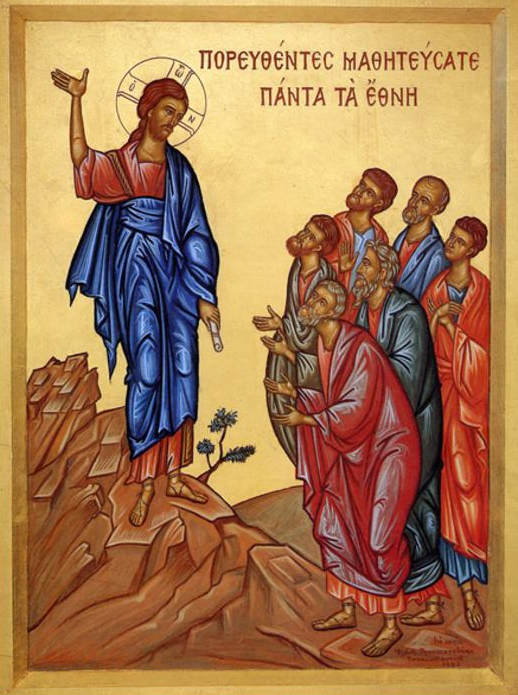
Matthew’s account of the Sermon on the Mount has been related through the whole of chapters five, six and seven of his Gospel. Jesus concludes his teachings with today’s Bible verses, which carry both a promise and a warning. Commencing with the Beatitudes, Jesus’ Sermon on the Mount has presented to the people, toward the start of his ministry, a most beautiful, transformative understanding of God’s call to us to be with Him and to live according to the real, inner truth of the law [ … ]

Origen’s homily on the conquest of Jericho is far more than a meditation on ancient Israelite warfare. For Origen, the fall of Jericho symbolizes the decisive triumph of Christ over the world, sin, and spiritual blindness. It is a drama of redemption, where the unlikely heroine, Rahab the prostitute, becomes the image of the Church: redeemed, cleansed, and united to Christ [ … ]
Psalm 26 declares innocence and an earnest request for divine scrutiny and vindication. It represents a heartfelt commitment to living a life characterized by integrity and righteousness as perceived by the Lord [ … ]
