
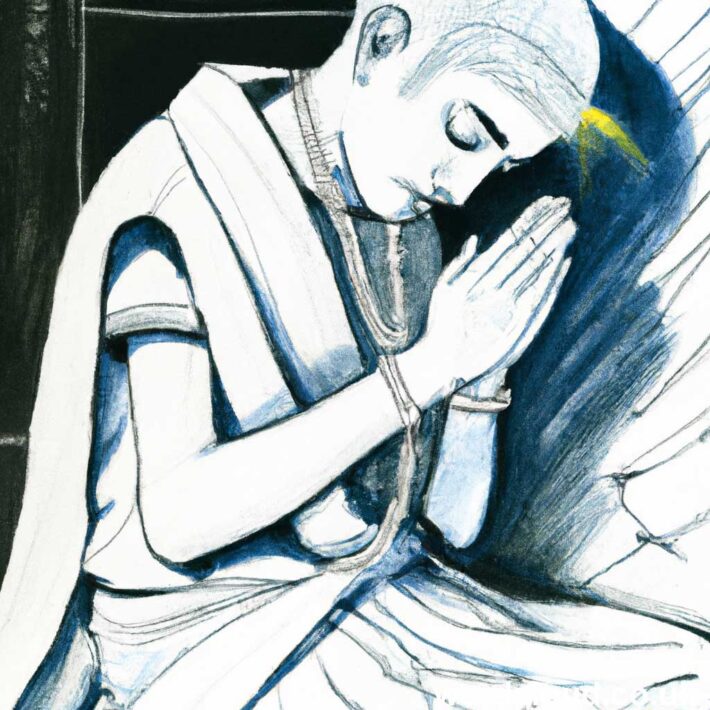
Christian Art | Prayer With Jesus | Psalms | The Joy Of Forgiveness | Confession Of Sin | King David As A Boy
Psalm 32 | King James Audio Bible
YouTube: Psalm 32 KJV | King James Audio Bible | Word Aloud
Psalm 32 is a contemplative poem expressing themes of forgiveness, repentance and blessings that arise from acknowledging one’s sins before the Lord. The psalm reflects on the power of confession and upon the joy found in the assurance of divine pardon.
At its core, Psalm 32 explores the happiness and well-being of those whose transgressions receive forgiveness and whose sins are covered. The psalm illustrates the blessedness that accompanies freedom from guilt and the removal of the burden of unconfessed wrongdoing.
The psalmist candidly shares his personal experience of the consequences of silence when facing sin, describing how distress took a toll until confession and repentance were embraced. The acknowledgment of sin and subsequent forgiveness by the Lord are central themes.
The psalm also suggests that godly individuals, during times of trouble and turmoil, turn to God in prayer, seeking refuge in His forgiveness and grace. The psalm underscores the importance of seeking God’s presence, especially when confronted with challenges.
Throughout the psalm, there is an implicit call for all to embrace a path of confession and humility instead of stubbornness and pride. The contrast between the godly, who trust in the Lord and find mercy, and the wicked, who face many sorrows, highlights the spiritual and emotional benefits of seeking divine forgiveness.
Psalm 32 | King James Audio Bible KJV
Blessed is he whose transgression is forgiven, whose sin is covered.
Blessed is the man unto whom the Lord imputeth not iniquity, and in whose spirit there is no guile.
When I kept silence, my bones waxed old through my roaring all the day long.
For day and night thy hand was heavy upon me: my moisture is turned into the drought of summer. Selah.
I acknowledged my sin unto thee, and mine iniquity have I not hid. I said, I will confess my transgressions unto the Lord; and thou forgavest the iniquity of my sin. Selah.
For this shall every one that is godly pray unto thee in a time when thou mayest be found: surely in the floods of great waters they shall not come nigh unto him.
Thou art my hiding place; thou shalt preserve me from trouble; thou shalt compass me about with songs of deliverance. Selah.
I will instruct thee and teach thee in the way which thou shalt go: I will guide thee with mine eye.
Be ye not as the horse, or as the mule, which have no understanding: whose mouth must be held in with bit and bridle, lest they come near unto thee.
Many sorrows shall be to the wicked: but he that trusteth in the Lord, mercy shall compass him about.
Be glad in the Lord, and rejoice, ye righteous: and shout for joy, all ye that are upright in heart.


Key Themes Of The Psalm For Reflection | Love Revealed By Jesus Christ
- Forgiveness and Blessedness: The psalm emphasizes the happiness and well-being of those whose sins are forgiven and covered by the Lord.
- The Power of Confession: The psalm explores the transformative impact of acknowledging one’s sins before God and the relief that comes from confessing wrongdoing.
- Divine Pardon: The psalm highlights the central theme of divine forgiveness, portraying God as the source of forgiveness and mercy.
- Contrast Between the Godly and the Wicked: The psalm draws a contrast between the godly, who trust in the Lord and find mercy, and the wicked, who face sorrows and challenges due to their unrepentant ways.
- Seeking Refuge in God: In times of trouble, the psalm suggests turning to God in prayer, finding refuge in His forgiveness and grace.
- The Joy of Righteousness: The psalm conveys the joy and righteousness that accompany the removal of guilt and the freedom from the burden of unconfessed sins.




Saint Valentine is believed to have been a Christian priest in Rome during the reign of Emperor Claudius II, also known as Claudius Gothicus, in the third century. At that time, the Roman Empire was engaged in various military campaigns, and Claudius was having difficulty recruiting soldiers. Believing that unmarried men made better soldiers, he issued an edict prohibiting young men from marrying. The emperor thought that marriage would make men emotionally attached and therefore less willing to leave for war [ … ]

One of the leading Pharisees has invited Jesus to his house to share a meal. There are several occasions in the Gospels when Jesus is invited by Pharisees to share a meal. Perhaps they are curious, as now we are told, ‘they watched him,’ perhaps through malice. We are not told how a man with dropsy could enter the house of a leader of the Pharisees. Here he is, though, waiting to be cured. Once more, the question of healing on the Sabbath is raised, and with it the issue of the Pharisees’ hypocrisy and the absolutely critical fact of the divinity of Jesus, granting him authority to reinterpret the Sabbath and so drawing him ever closer to the cross [ .. ]
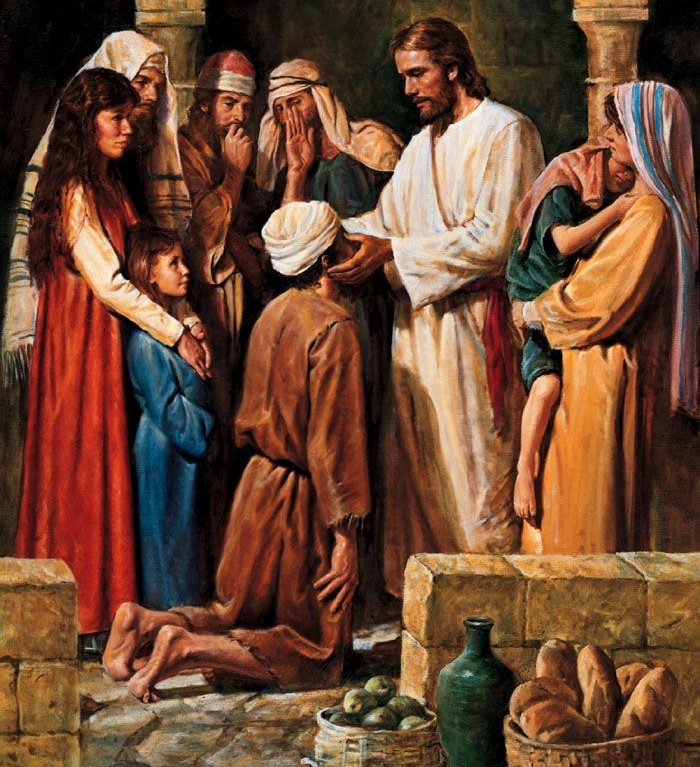
Blessed Isaac of Stella reflects on the close unity between Christ and the Church, especially in relation to the forgiveness of sins. He begins by affirming that two things belong to God alone: the right to receive confession and the power to forgive. Yet, he immediately links this divine prerogative with the mystery of Christ’s union with his bride, the Church [ … ]
