Mark 8: 34 – 9:1 – Week 6 Ordinary Time, Friday (Audio Bible, Spoken Word)
34 ¶ And when he had called the people unto him with his disciples also, he said unto them, Whosoever will come after me, let him deny himself, and take up his cross, and follow me.
35 For whosoever will save his life shall lose it; but whosoever shall lose his life for my sake and the gospel’s, the same shall save it.
36 For what shall it profit a man, if he shall gain the whole world, and lose his own soul?
37 Or what shall a man give in exchange for his soul?
38 Whosoever therefore shall be ashamed of me and of my words in this adulterous and sinful generation; of him also shall the Son of man be ashamed, when he cometh in the glory of his Father with the holy angels.
1 AND he said unto them, Verily I say unto you, That there be some of them that stand here, which shall not taste of death, till they have seen the kingdom of God come with power.
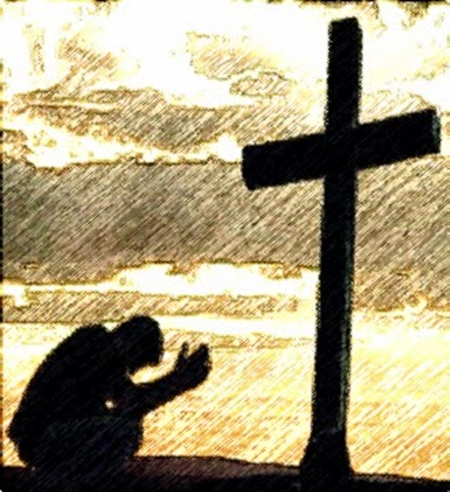
Jesus has told his disciples for the first time that he must go to Jerusalem to suffer and die. In today’s Gospel verses, Jesus calls the multitudes also, to tell everyone about what it means to follow Jesus, to live a Christian life. While the Passion draws closer, the sign of the crucifixion looming prominently over these verses, we are enjoined in our own lives to deny ourselves and to take up our cross to follow Jesus.
Jesus asks us to live selflessly, to understand our present life in the light of the eternal life which he asks us to share. We are to distance ourselves from worldly or fleshly attachments, valuing as nothing the marks of achievement in this world, for what do they profit us ultimately? It may be that, when we listen to Christ’s call, we are aware of things we do not wish to renounce in order to give ourselves wholly to him. This renunciation is joy as we accept both the light burden and the triumph of the cross, as we admit grace into our lives and together, in close communion with those we love, follow Jesus.
We are warned by Jesus to continue to follow his teachings and example and to witness our faith despite the adulterous and sinful times in which we find ourselves. Each day we are confronted with sin. We find we are tempted to consume more, to lust after more, to choke our atmosphere, to poison our seas and rivers, to destroy other species’ habitats and our own. Each day we see the effects of sin, as obesity literally weighs down people’s lives as it draws them to their early grave, as people opt to kill an unborn child because it isn’t convenient, as we read in the news of the latest extinction events.
The world tries to draw us away from Jesus. It wants our self. It makes it difficult to live life prayerfully, gives back to us a false, horribly distorted version of our self, then tries to make us think that is our genuine self. When we pray just a few psalms and so put ourselves with Jesus, then that very joy and peace of mind, which we hope to communicate to others, thereby witnessing Jesus, can seem our cross to bear.
See also: 24th Sunday, Year B – Mark 8: 27-35 – Take up Your Cross and Follow Me
‘In the Passion, the Cross ceased to be a symbol of punishment and became instead a sign of victory. The Cross is the emblem of the Redeemer: in quo est salus, vita et resurrection nostra: there lies our salvation, our life and our resurrection.’ St Josemaria Escriva
Concluding Prayer
Lord Jesus Christ,
who on the cross called the penitent thief into your kingdom,
in faith and trust and confessing our sins
we implore your mercy
that after our death
you will lead us rejoicing through the gates of paradise.
Who live and reign for ever and ever.

Audio Bible KJV | Endnotes
Christian Martyrdom And The Garden Of Gethsemane
‘For whosoever will save his life shall lose it; but whosoever shall lose his life for my sake and the gospel’s, the same shall save it.’ The words have particular resonance when considering Jesus in the Garden of Gethsemane, and also Christians who have given themselves in martyrdom.
In the Garden of Gethsemane, Jesus is faced with his impending death on the Cross. He is overwhelmed with grief and prays to God, asking if it is possible for the cup of suffering to be taken from him. Yet he submits to the Father: ‘Not my will, but yours be done.’ Jesus is willing to sacrifice his own life for the sake of fulfilling God’s plan to bring salvation to humanity.
Christian martyrdom involves the ultimate sacrifice of one’s life – often through torture and unspeakable pain. Throughout history, Christians have been martyred for refusing to renounce their faith or to conform to demands of those in power. They have been willing to lose their lives for the sake of the Gospel.
The Gospel passage is a reminder that our lives are not our own, but belong to God, and that we must give them as necessary for our faith.
The words remind us of the bravery and faithfulness of those who have gone before us, willing to endure persecution and death for the sake of Jesus. They remind us that our ultimate reward is not in this life, but in eternity.

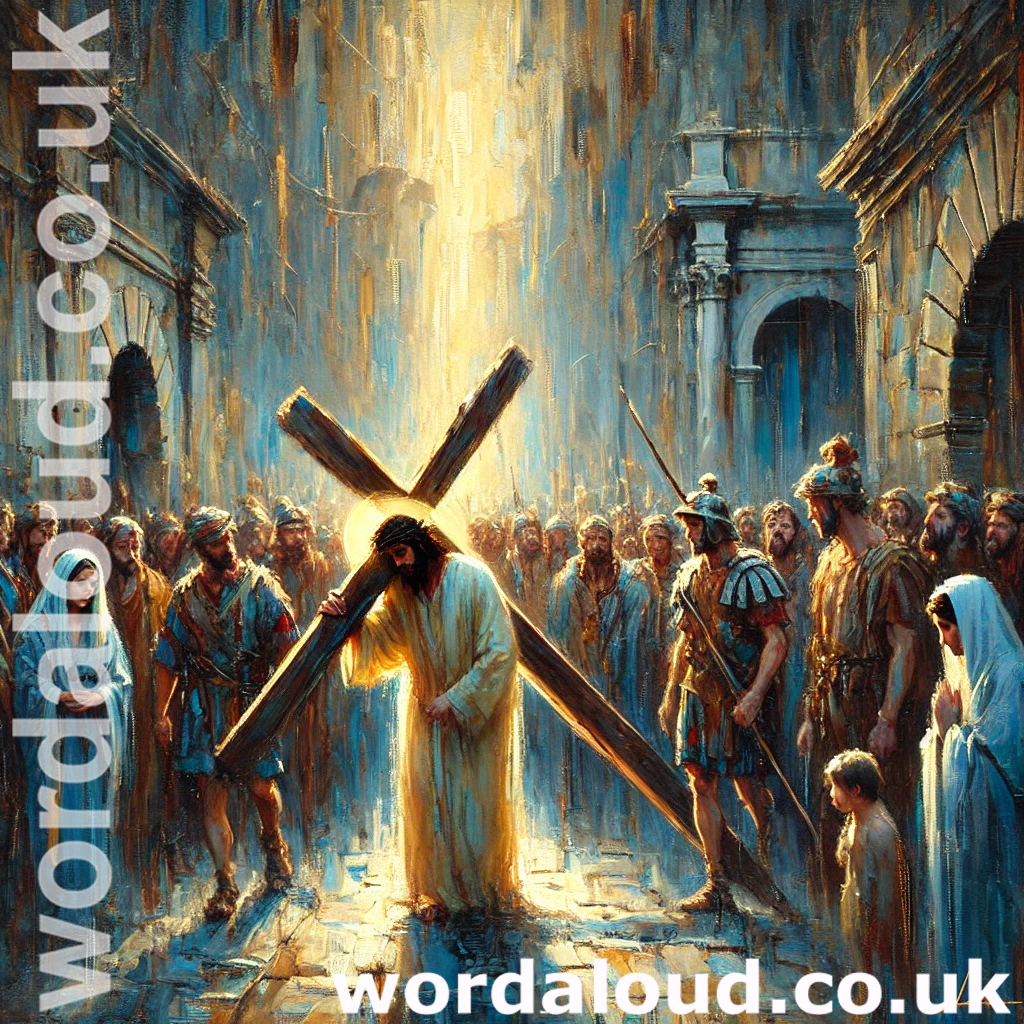
This powerful reading from Saint Fulgentius offers a rich meditation on the meaning of Christ’s sacrifice, drawing us deeply into the mystery at the heart of the Christian faith. It’s a fitting reflection for the final days of Lent, as we prepare to enter into Holy Week and contemplate Christ’s passion, death, and resurrection [ … ]
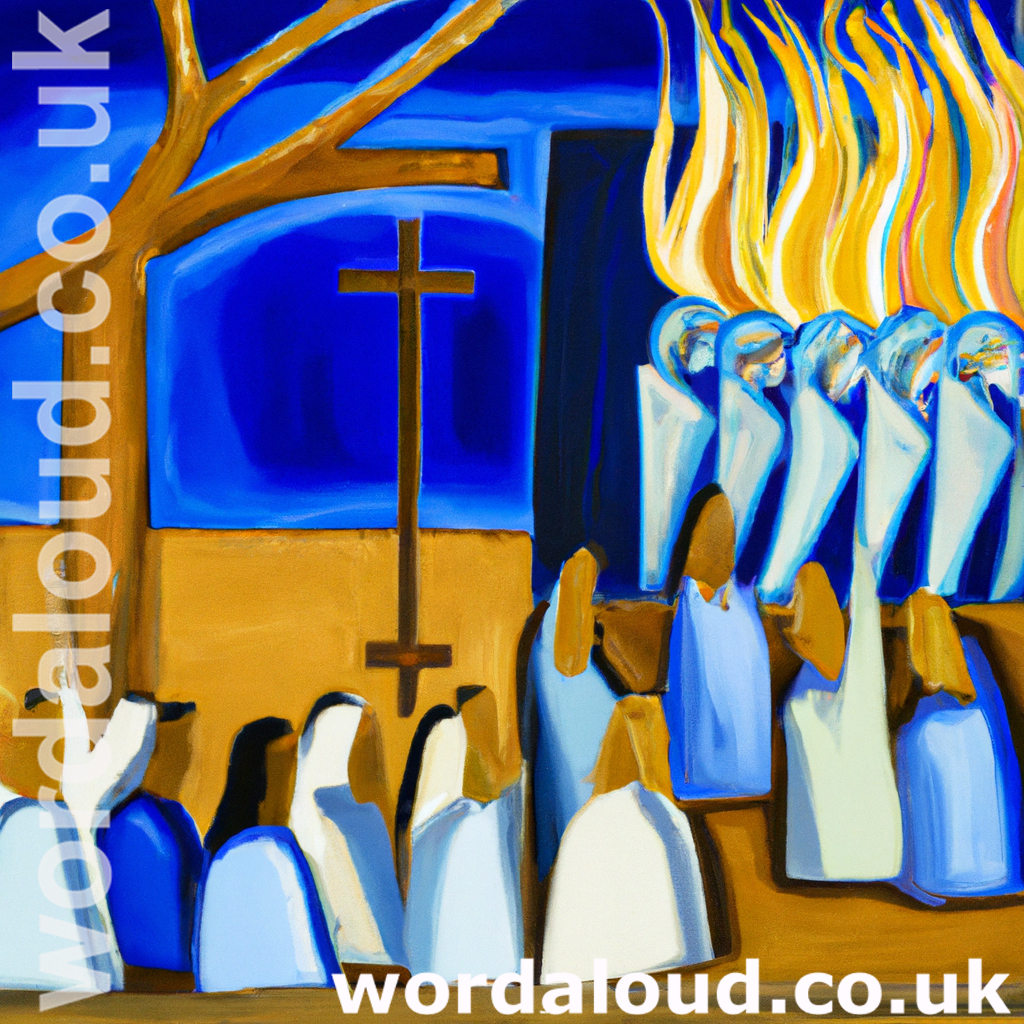
Pentecost is celebrated 50 days after Easter Sunday. It is considered the birth of the Church and marks the descent of the Holy Spirit upon the apostles and other followers of Jesus Christ. The Bible tells us that the Holy Spirit descended upon the apostles in the form of tongues of fire, and they were able to speak in multiple languages, allowing them to spread the message of Jesus to a wider audience [ … ]
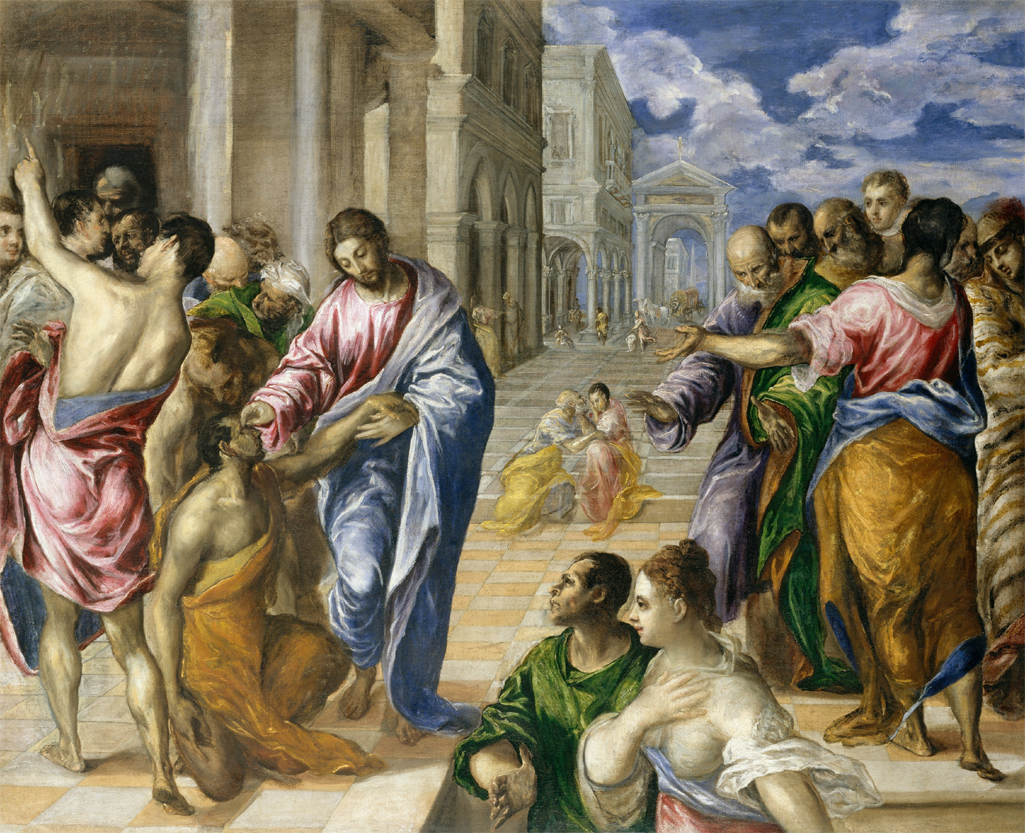
As Jesus died on the cross he would have looked like a leper. He had been scourged. Front and back, his skin would have been a bloody mess of welts, cuts and bruises. Being himself without sin, he died in the image of some of those most abject whom he came to save. Truly the self-sacrifice of our Lord was complete and extreme [ … ]