
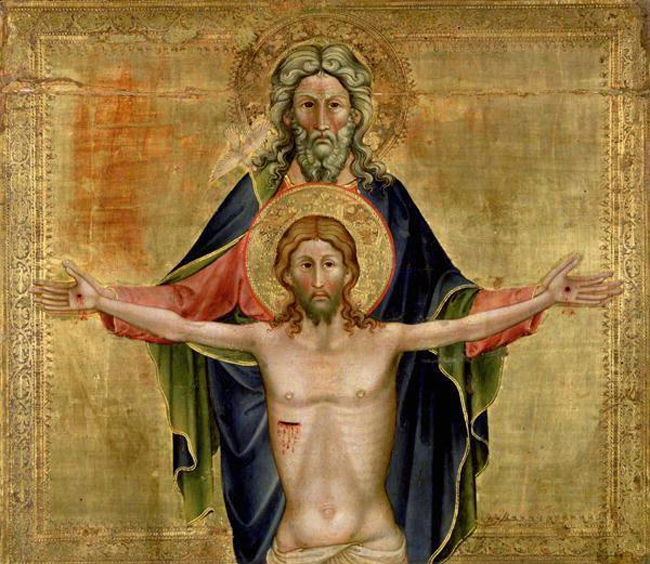
Christian Art | Easter To Pentecost | God The Son
John 3: 31-36 Audio Bible KJV | King James Audio Bible | Daily Verses
31 He that cometh from above is above all: he that is of the earth is earthly, and speaketh of the earth: he that cometh from heaven is above all.
32 And what he hath seen and heard, that he testifieth; and no man receiveth his testimony.
33 He that hath received his testimony hath set to his seal that God is true.
34 For he whom God hath sent speaketh the words of God: for God giveth not the Spirit by measure unto him.
35 The Father loveth the Son, and hath given all things into his hand.
36 He that believeth on the Son hath everlasting life: and he that believeth not the Son shall not see life; but the wrath of God abideth on him.
Today’s Bible verses flow from John the Baptist’s beautiful words, as he explains, speaking of Jesus, that ‘he must increase, but I must decrease’. John the Baptist reminds his disciples that he has told them he is not the Christ, but rather the one who was sent before to prepare the way of Christ. John the Baptist now rejoices that Christ’s time is come, that his own purpose is complete and it is time to relinquish to Christ the ministry that brings salvation. There is no competition between John the Baptist and Jesus. Rather, through faith and love, he is overjoyed that people are flocking to Jesus to be baptized by him.
We hear now more of the infinite distance between John the Baptist and Christ. The verses speak of Christ’s divinity, of his relationship with the Father and the Holy Spirit, and of the clear truth of our way toward freedom from sin and death, which is belief in Jesus Christ, the Son of God.
Christ came to us from heaven. He came to us from the Father. Before he was incarnate of Mary, Christ was – his existence preceding all earthly creation. It is because of this that Christ’s ministry utterly transcends that of one who is of the earth, who aspires to heavenly life and who can only attain to heaven and life everlasting through Christ.
For us all, this is a message to enable our own complete humility. The message is clear. There is no other way to life than through Jesus. We cannot claim life through our own poor efforts, only believe in Christ. John the Baptist knew this. As he freely relinquishes authority and celebrates the coming of Christ’s ministry, he teaches us humility by example. All things now are in Christ’s hands.
‘It is necessary for Christ to grow in you, for you to progress in your knowledge and love of him: for, the more you know him and love him, the more he grows in you… Therefore, people who advance in this way need to have less self-esteem, because the more a person discovers God’s greatness the less importance he gives to his own human condition.’ St Thomas Aquinas

Audio Bible KJV | King James Version | Endnotes
What Were The Issues To Be Debated And Decided At The First Council Of Nicaea?
The First Council of Nicaea was a crucial event in the history of Christianity, convened by Emperor Constantine I in the year 325 AD. The council was convened in response to a theological controversy that threatened the unity of the Church. The issue at hand was the relationship between God the Father and Jesus Christ, the Son of God. The debate was centered on the concept of the Trinity, that is, the belief in the one God in three persons. The council’s primary task was to reach a consensus on the proper understanding of this fundamental doctrine of the faith.
The passage in John 3: 31-36 emphasizes the supremacy of Jesus Christ as the Son of God, stating that He came from heaven, bears witness to the truth, and has been given all things by the Father. This passage serves as a foundation for the doctrine of the Trinity, which asserts that God exists in three persons, the Father, the Son, and the Holy Spirit, each fully divine and equal in power and glory.
The controversy that led to the Council of Nicaea arose in the early fourth century with the teachings of Arius, a priest from Alexandria, Egypt. Arius taught that Jesus Christ was not co-eternal with the Father, but rather was a created being, a subordinate and lesser divine being. This view was known as Arianism and threatened to divide the Church.
To resolve this controversy, Emperor Constantine called for a council of bishops from all parts of the Roman Empire to meet in Nicaea, present-day Iznik, Turkey. The council was attended by around 300 bishops, including the leading theologians of the time. The council was led by the influential Bishop Alexander of Alexandria, who was opposed to Arius’s teachings.
At the council, the bishops debated the nature of the relationship between the Father and the Son, seeking to determine the correct understanding of the doctrine of the Trinity. The Council of Nicaea produced the Nicene Creed, which states that Jesus Christ is ‘the only-begotten Son of God, begotten of the Father before all worlds, God of God, Light of Light, very God of very God, begotten, not made, being of one substance with the Father.’
The Nicene Creed was not universally accepted at first and continued to be debated in subsequent centuries. However, it became the cornerstone of Christian orthodoxy and is used by many churches today. The Nicene Creed was also revised and expanded at the Councils of Constantinople in 381 and Chalcedon in 451.
Catholic and Protestant theologians have continued to debate the nature of the Trinity and the relationship between the Father, Son and Holy Spirit. However, the Nicene Creed remains a central statement of faith for Christians worldwide. At risk of generalization, Catholic theologians, such as Saint Augustine, emphasized the unity and equality of the three persons of the Trinity, while Protestant theologians, such as John Calvin, emphasized the distinct roles of each person in salvation.
The Council of Nicaea was not only significant for its theological impact but also for its historical significance. The council marked the first time that the Christian Church was recognized by the Roman Empire as an important institution. The emperor himself attended the council, and he sought to use the unity of the Church to strengthen his own rule.
The council also had important practical implications. It established rules for the ordination of bishops and priests, and it sought to resolve disputes between different local churches. The council also sought to establish a common date for the celebration of Easter, which had been a point of contention between different churches.
The Council of Nicaea had a lasting impact on the Christian Church, shaping its theology, structure, and organization. It established the authority of the bishops and councils in deciding matters of doctrine, setting a precedent for future Church councils. The council also emphasized the importance of the unity of the Church, which would continue to be a central theme throughout Christian history.
Today, the legacy of the Council of Nicaea continues to shape the Christian Church. The theological debates that emerged during the council continue to be discussed by theologians and scholars, and the Nicene Creed remains a central statement of faith for Christians worldwide. The council also serves as a reminder of the importance of unity and cooperation within the Church, as well as the need for open and honest dialogue in addressing theological controversies.



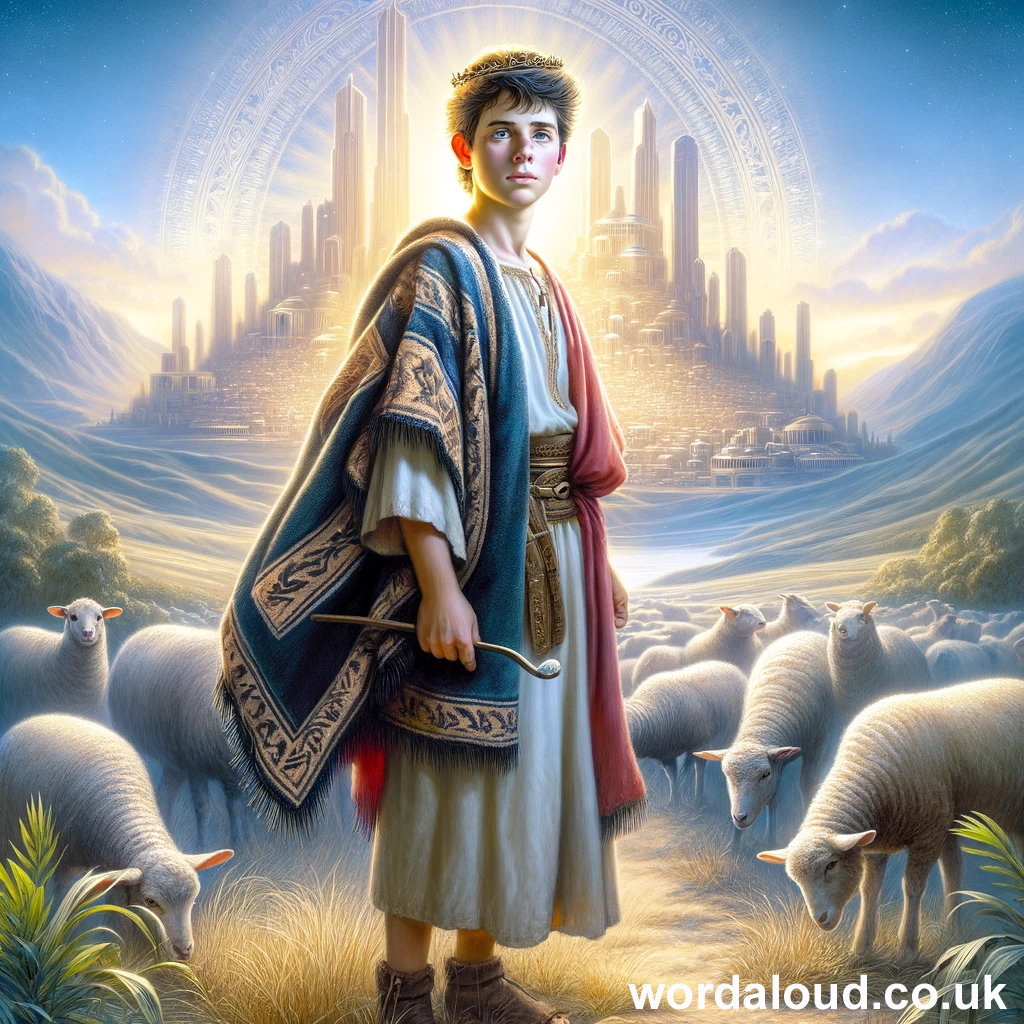
Psalm 121 is of the series of Psalms known as the ‘Songs of Ascents’ (Psalms 120-134). Traditionally, these psalms were sung by pilgrims ascending to Jerusalem for religious festivals. Psalm 121, in particular, has been a source of comfort, revered for its focus on God’s protection and providence [ … ]

Jesus’ disciples have opened their hearts to Jesus. They have responded to Jesus by being receptive to the Christian truth he brings, and therefore they may be given to understand the parables. The disciples’ understanding of the presence of the Kingdom in their lives, of which the parables speak, follows upon their faith in Jesus [ … ]
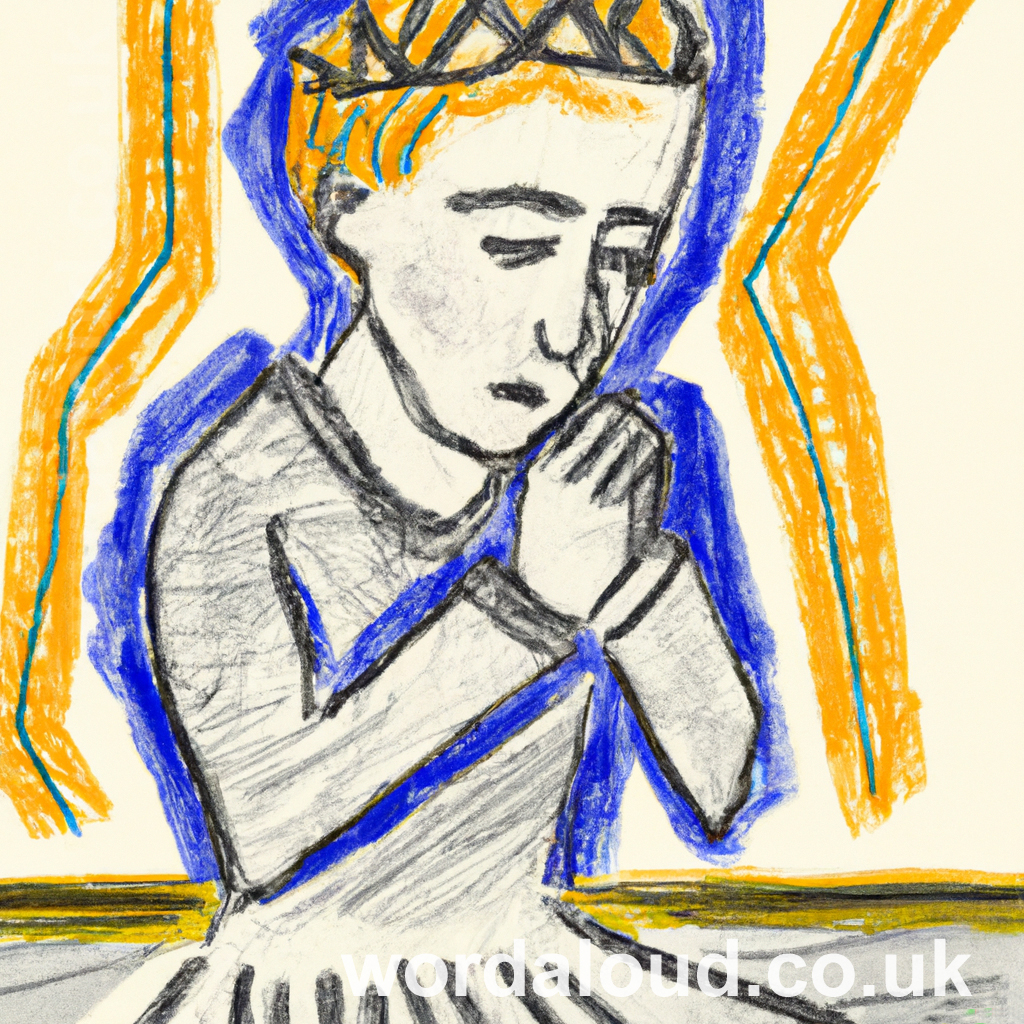
Psalm 88 expresses despair and there is an absence of the redemptive turn found in many other psalms. Traditionally ascribed to Heman the Ezrahite, this psalm explores depths of human suffering and spiritual desolation, offering a raw and unfiltered cry from the soul [ … ]
