
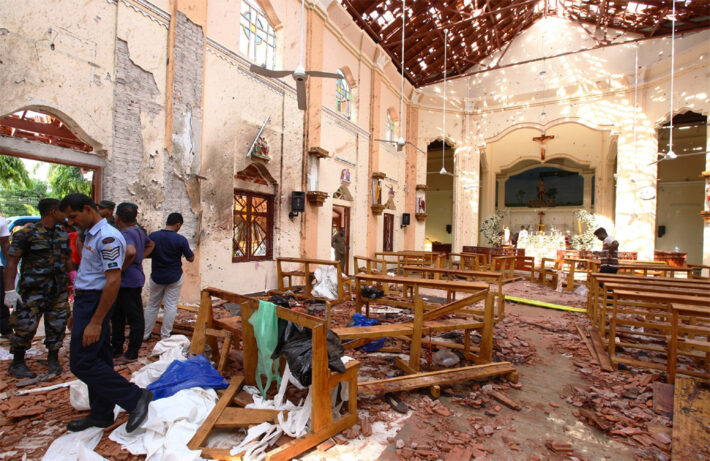
Christian Art | Persecutions Of Christians | Christian Martyrs
Luke 21: 12-19 – Week 34 Ordinary Time, Wednesday (Audio Bible KJV, Spoken Word)
12 But before all these, they shall lay their hands on you, and persecute you, delivering you up to the synagogues, and into prisons, being brought before kings and rulers for my name’s sake.
13 And it shall turn to you for a testimony.
14 Settle it therefore in your hearts, not to meditate before what ye shall answer:
15 For I will give you a mouth and wisdom, which all your adversaries shall not be able to gainsay nor resist.
16 And ye shall be betrayed both by parents, and brethren, and kinsfolks, and friends; and some of you shall they cause to be put to death.
17 And ye shall be hated of all men for my name’s sake.
18 But there shall not an hair of your head perish.
19 In your patience possess ye your souls.
In yesterday’s Gospel verses, we heard Jesus tell his listeners some of the signs of tribulation, preceding the destruction of Jerusalem and looking thence toward the coming of the Son of man, the second coming or parousia, at the end of this world. It was a picture not unrecognizable in our modern age, entailing wars and famine, false prophets leading whole peoples down sinful paths, and natural disasters. In today’s verses, Jesus adds this: there will be persecutions of Christians. Luke’s original audience would recognize this prophecy’s fulfilment in the persecutions inflicted on Christians by the Roman authorities. In our own age, we recognize diverse persecutions, particularly the murder and threats to the lives of Christians by Islamists.
Jesus teaches us to be bold and to have faith and confidence in the light of persecutions. His listeners are told that, when they are accused, the Spirit will be with them, guiding their words such that they become a living testimony to Jesus. The Christians’ accusers will be unable to answer their words then – the force of their witness will be irresistible.
It seems confusing when Jesus tells his listeners that some will be put to death but ‘there shall not an hair of your head perish’. We are reminded of Christ’s telling us that, while our enemies may hurt our bodies, they cannot touch our immortal souls. Indeed, when we give ourselves wholly to faith in Jesus, no matter the danger, and the mortal consequences which might follow, then our salvation may be considered attained. Through history, this has been realized by many in the ‘baptism of blood’ which is martyrdom.
On the cross, Lord Jesus Christ,
you stretched out your hands for the salvation of the human race;
grant that our life and work
may be pleasing to you
and bear witness to the power of your redeeming love.
Who live and reign for ever and ever.

Audio Bible KJV | Endnotes
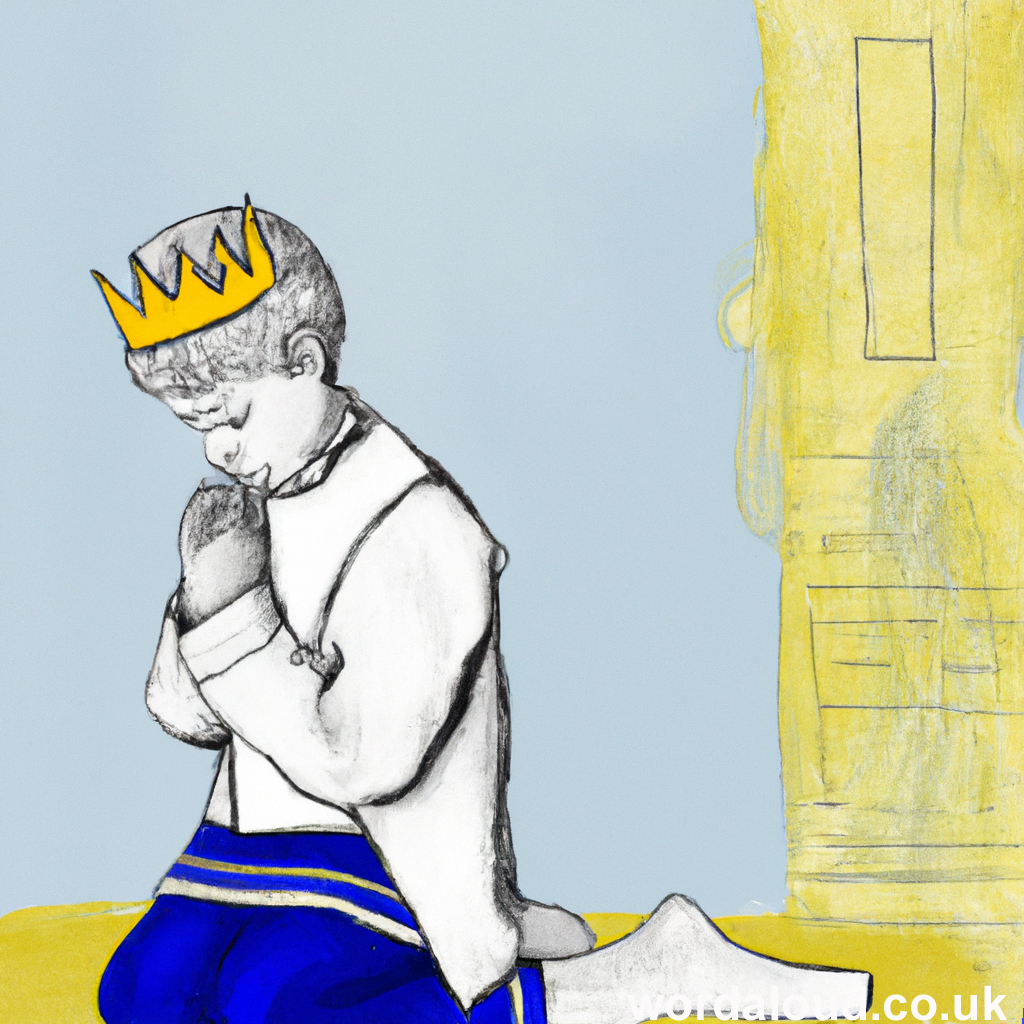
The agony of Jesus in the Garden of Gethsemane is as a backdrop for Jesus’ teachings on the trials his disciples will face as followers of Christianity. In the Garden of Gethsemane, Jesus prayed to God before his arrest and crucifixion, and so affirmed devotion and obedience.
Jesus’ teachings on persecution, as recorded in Luke 21:12-19, emphasize the importance of faith and the role of the Holy Spirit in guiding Christians. This speaks to Christians of all denominations today. We are the Church of Jesus Christ, the Christian Church, no matter Evangelical Christianity, Protestant Christianity, Eastern Orthodox Church… Blood of the martyrs and persecution of Christians shapes us all.
Praise and worship, Christian prayer, bring comfort and strength to believers who face persecution. This is reflected in teachings of Jesus such as the Sermon on the Mount, where Jesus taught his followers how to pray to God.
The Christian Cross, sign of Jesus’ crucifixion, calls as reminder of the sacrifice. The Passion of the Christ, the film, depicts the last days of Jesus, including crucifixion, and is so graphic as testament to what Jesus had to endure in suffering. Jesus paid it all.
Christian Martyrs
The Gospel passage describes the persecution that believers in Jesus Christ will face before the end of the world. The Gospel foretells a time when believers will be handed over to authorities and imprisoned, and even put to death for Christian faith. These trials will test the faith of Christian believers, but they will also serve as a testimony to the truth of the Gospel.
Through history, there have been countless examples of Christian martyrs who have suffered persecution and death for Christian faith. The Apostles themselves were persecuted, imprisoned, and ultimately killed for their beliefs. Saint Stephen, the first Christian martyr, was stoned to death for proclaiming the Gospel.
In the early Church, Christians were often persecuted and killed for their faith. Emperor Nero famously blamed Christians for the great fire of Rome in AD 64 and ordered their persecution. Later emperors, such as Domitian and Trajan, also persecuted Christians.
During the Reformation, many Protestants were martyred for their faith. English Protestant martyrs, such as William Tyndale and Thomas Cranmer, were burned at the stake for their beliefs. Similarly, during the Counter-Reformation, Catholics who refused to renounce their faith were persecuted and killed, such as the English martyr Saint Edmund Campion.
In modern times, Christian persecution continues in many parts of the world. In countries such as North Korea, China, and Iran, believers face imprisonment and even death for their faith. The organization Open Doors estimates that over 340 million Christians face high levels of persecution and discrimination around the world.
Despite the suffering and death that Christian martyrs have endured, their faith and witness have served as a powerful testimony to the truth of the Gospel. As Tertullian famously wrote in the second century: ‘The blood of the martyrs is the seed of the Church.’ Christian martyrdom has inspired countless believers to remain faithful to their beliefs, even in the face of persecution.
In the passage from Luke, Jesus promises that he will give his followers the words and wisdom they need to endure persecution and witness to their Christian faith. This promise has been echoed by many religious authorities throughout history. Saint Augustine wrote that ‘the Holy Spirit will teach us what we should say in time of persecution’. Similarly, Martin Luther wrote that ‘if we are called to suffer persecution for Christ’s sake, we can be sure that the Holy Spirit will give us the strength and courage we need to endure’.
Christian martyrs have played a crucial role in the history of the Church, serving as powerful witnesses to the truth of the Gospel. While persecution and suffering are never easy, Christians can take comfort in the promise of Jesus that he will be with them always, even in the midst of trials. As Saint Paul wrote in Romans 8:35-37: ‘Who shall separate us from the love of Christ? Shall tribulation, or distress, or persecution, or famine, or nakedness, or danger, or sword?… No, in all these things we are more than conquerors through him who loved us.’
In the early Church, the example of Saint Polycarp, who was burned at the stake for refusing to renounce his faith, inspired many believers to remain steadfast in the face of persecution. Similarly, the example of the English martyr St. Thomas More, who was executed for his refusal to acknowledge King Henry VIII as the head of the Church of England, inspired many Catholics to remain loyal.
Witness of Christian martyrs has also had an impact on the wider culture. Stories of the English Protestant martyrs, such as William Tyndale, who translated the Bible into English and was burned at the stake for his efforts, helped to shape the English language and culture. Similarly, stories of early Christian martyrs, such as Saint Ignatius of Antioch, who wrote letters to the churches while he was being taken to Rome to be executed, helped to shape early Christian theology and practice.
It is difficult to contemplate Catholic and Protestant Christians being martyred by each other for their faith in England in the 1500s. From a modern perspective, it seems insane.
Irrespective of denomination, the witness of Christian martyrs has had a profound impact on the history of the Church and on the wider culture. The martyrs’ faithfulness in the face of persecution is a powerful example to believers today, reminding us of the cost of discipleship and the depth of our commitment to Christ. As the author of Hebrews wrote: ‘Therefore, since we are surrounded by so great a cloud of witnesses, let us also lay aside every weight, and sin which clings so closely, and let us run with endurance the race that is set before us, looking to Jesus, the founder and perfecter of our faith, who for the joy that was set before him endured the cross, despising the shame, and is seated at the right hand of the throne of God.’ (Hebrews 12:1-2)


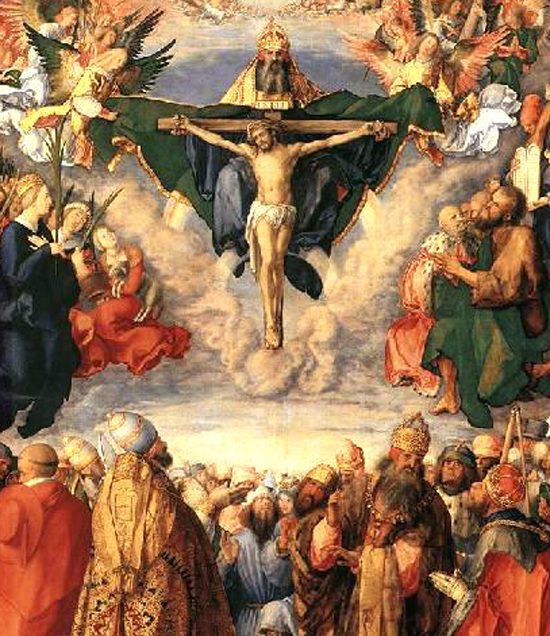
It is in Chapter 11 of Matthew’s Gospel that Jesus’ mission has encountered serious difficulties. Through Chapters 11 and 12 there are challenges, which confirm what Jesus has told the disciples in the Discourse of the Mission, concerning his bringing not peace but a sword, of Jesus’ Mission being a sign of Christian contradiction. There is real enmity in the region of Galilee, the scribes and the Pharisees especially rejecting the truth of Jesus, while even John the Baptist fails to understand [ … ]
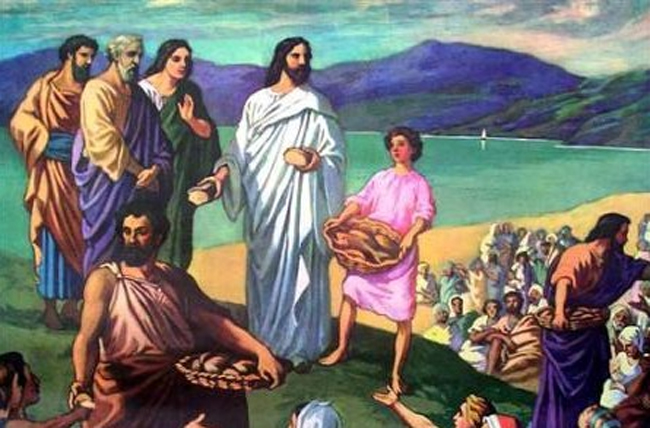
Much of Christ’s early ministry takes place around the Sea of Galilee, also known as the Sea of Tiberius or the lake of Gennesaret. There were a number of towns around the shore of the lake, and the shore was often the setting for Christ’s preaching. John only tells us specifically of seven of Christ’s miracles, chosen to suit his purpose. He does tell us, in verse 2 of today’s reading and at the end of his Gospel, that Christ performed many miracles, which John calls signs. As he tells us of the miracle of the loaves and the fishes, John clearly connects this with Jesus’ presentation of himself as the bread of life, which follows shortly in this chapter of the Bible [ … ]
This reading reflects the vision of the Second Vatican Council concerning the Church’s relationship with the modern world. It presents human history as the meeting place of divine purpose and human freedom. The ‘earthly’ and ‘heavenly’ cities – terms drawn from Augustine – are not separate realities but interwoven. Their relationship can only be discerned through faith, because human progress remains marked by sin and imperfection until the final revelation of God’s glory [ … ]