

Christian Art | Beheading John The Baptist
Office Of Readings | Advent Sunday Week 3 | A Reading From A Sermon By Saint Augustine | John The Baptist Is The Voice, And Jesus Christ Is The Word
‘John is the voice, and Christ is the Word.’
Saint Augustine uses a simple but profound image to explain the relationship between John the Baptist and Christ: John is the voice, Christ is the Word. The image allows Augustine to show both the greatness of John’s mission and its necessary limitation. John’s role is essential, but it is temporary; Christ’s is eternal.
A voice exists to carry a word. Without a word, a voice is only sound and has no meaning. Augustine points out that understanding does not come from the noise itself but from the meaning that the noise conveys. Once the word has reached the heart, the voice is no longer needed. In this way, the voice serves the word and then passes away.
Augustine applies this image directly to John the Baptist. John’s preaching prepared hearts, but he himself was not the content of the message. His baptism and ministry were necessary for a time, but they were never meant to endure. Once Christ had come, John’s work was complete. This is why John can say, with truth and humility, ‘He must increase, and I must decrease.’
Augustine then draws attention to John’s humility. John was widely thought to be the Christ, and Augustine observes how easily John could have accepted that honour. Instead, he rejected it clearly and firmly. He named himself truthfully: not the Christ, not Elijah, but the voice. In doing so, John teaches that true greatness lies in pointing away from oneself and toward Christ.
Augustine also explains what it means to ‘prepare the way of the Lord’. It is not merely an external action but an inner one. To prepare the way is to pray rightly and to cultivate humility. Christ does not force his way into the heart; he comes where the way has been made ready. Pride blocks the path, while humility opens it.
Finally, Augustine warns against the danger that John himself avoided: pride. John knew he was a lamp, not the light itself. His concern was not to shine independently, but to serve the true light without being extinguished by self-importance. The passage ends by inviting believers to imitate John’s humility, allowing the Word to dwell within them while their own voices fade into faithful service.
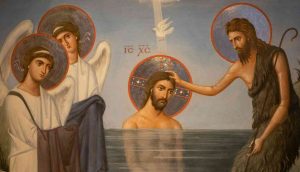
A Reading From A Sermon By Saint Augustine | John Is The Voice, And Christ Is The Word
John is the voice, but the Lord is the Word who was in the beginning. John is the voice that lasts for a time; from the beginning Christ is the Word who lives forever.
Take away the word, the meaning, and what is the voice? Where there is no understanding, there is only a meaningless sound. The voice without the word strikes the ear but does not build up the heart.
However, let us observe what happens when we first seek to build up our hearts. When I think about what I am going to say, the word or message is already in my heart. When I want to speak to you, I look for a way to share with your heart what is already in mine.
In my search for a way to let this message reach you, so that the word already in my heart may find place also in yours, I use my voice to speak to you. The sound of my voice brings the meaning of the word to you and then passes away. The word which the sound has brought to you is now in your heart, and yet it is still also in mine.
When the word has been conveyed to you, does not the sound seem to say: The word ought to grow, and I should diminish? The sound of the voice has made itself heard in the service of the word, and has gone away, as though it were saying: My joy is complete. Let us hold on to the word; we must not lose the word conceived inwardly in our hearts.
Do you need proof that the voice passes away but the divine Word remains? Where is John’s baptism today? It served its purpose, and it went away. Now it is Christ’s baptism that we celebrate. It is in Christ that we all believe; we hope for salvation in him. This is the message the voice cried out.
Because it is hard to distinguish word from voice, even John himself was thought to be the Christ. The voice was thought to be the word. But the voice acknowledged what it was, anxious not to give offence to the word. I am not the Christ, he said, nor Elijah, nor the prophet. And the question came: Who are you, then? He replied: I am the voice of one crying in the wilderness: Prepare the way for the Lord. The voice of one crying in the wilderness is the voice of one breaking the silence. Prepare the way for the Lord, he says, as though he were saying: ‘I speak out in order to lead him into your hearts, but he does not choose to come where I lead him unless you prepare the way for him.’
What does prepare the way mean, if not ‘pray well’? What does prepare the way mean, if not ‘be humble in your thoughts’? We should take our lesson from John the Baptist. He is thought to be the Christ; he declares he is not what they think. He does not take advantage of their mistake to further his own glory.
If he had said, ‘I am the Christ,’ you can imagine how readily he would have been believed, since they believed he was the Christ even before he spoke. But he did not say it; he acknowledged what he was. He pointed out clearly who he was; he humbled himself.
He saw where his salvation lay. He understood that he was a lamp, and his fear was that it might be blown out by the wind of pride.
Christian Prayer With Jesus
Lord Jesus Christ,
eternal Word of the Father,
teach us to prepare your way within our hearts.
Free us from pride,
make us humble and attentive,
so that your word may grow within us
and bear fruit in our lives.
May we, like John, rejoice
to serve your coming and not ourselves.
Amen.
Glossary Of Christian Terms
Saint Augustine – Bishop of Hippo and one of the Church’s greatest theologians and preachers.
The Word – Christ, the eternal Son of God, through whom all things were made.
The voice – John the Baptist, whose mission was to proclaim and prepare for Christ.
John the Baptist – The forerunner of Christ, sent to prepare the people for the Lord’s coming.
Prepare the way of the Lord – To ready the heart through repentance, prayer, and humility.
Humility – The virtue of truthfully recognising one’s place before God.
Lamp – An image used for John, indicating a light that serves the true Light, Christ.



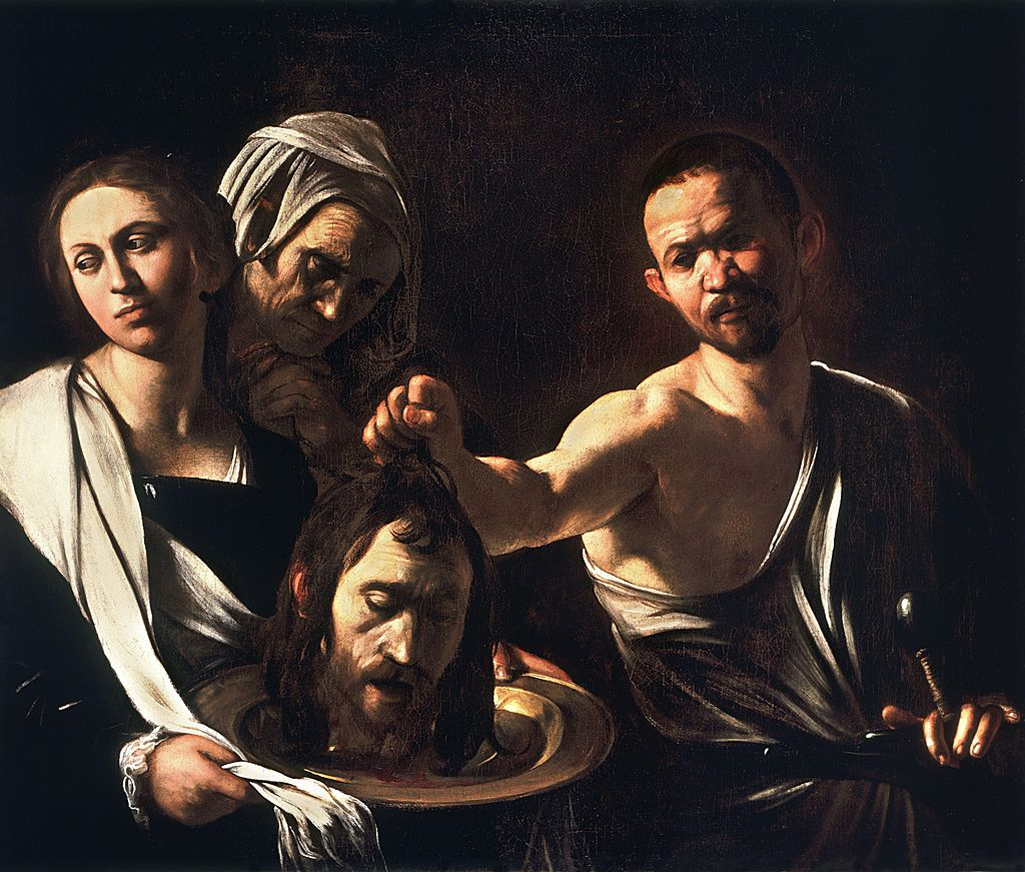
Herod the tetrarch, Herod Antipas, the son of Herod the Great, was a client ‘king’ of the Romans. He is highly alert to the in/stability of his region and to his own position within the Roman authority. We may imagine that the fear of a popular leader amassing a following and potentially threatening authority contributed to the arrest of John the Baptist, this in addition to the reason we are given in the Gospel, which is that John had told Herod how immoral he was being in marrying his brother’s wife Herodias [ … ]
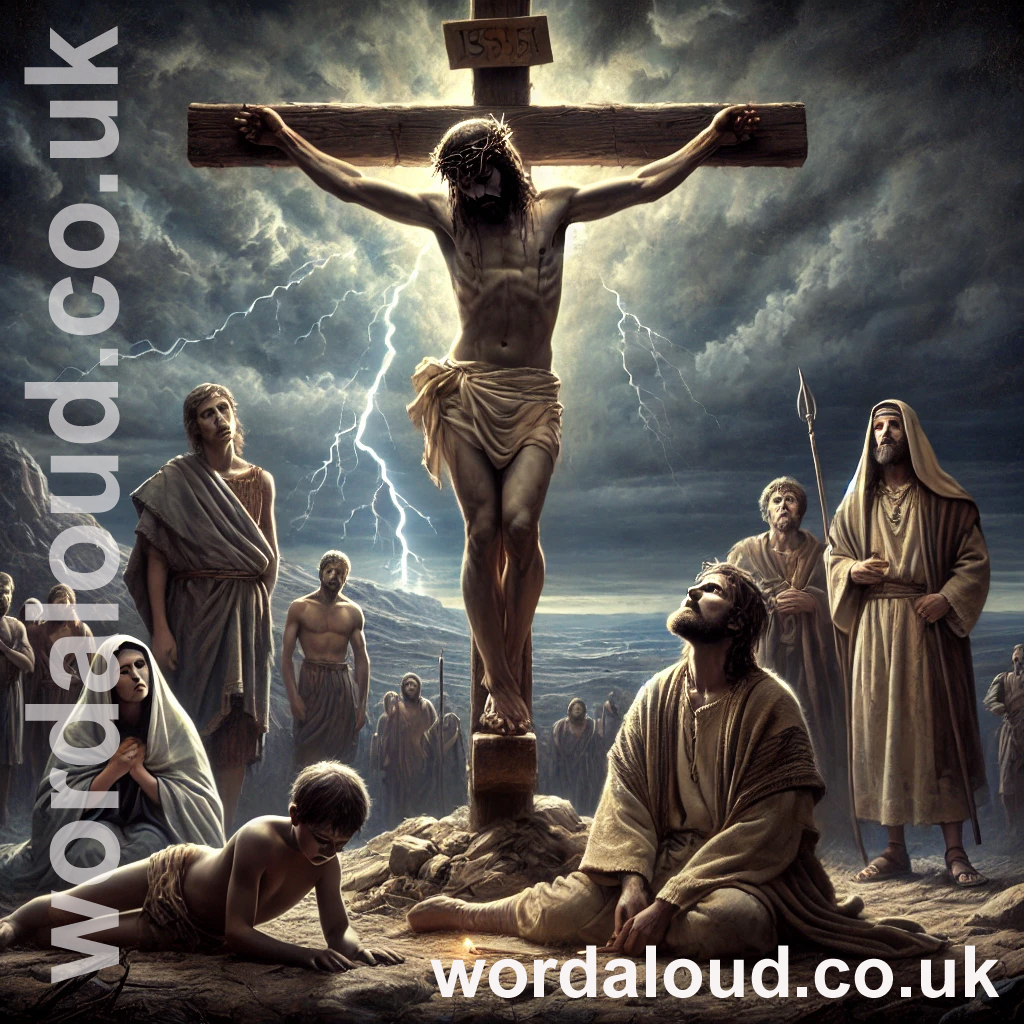
Herbert structures the poem as a dramatic monologue, with Christ narrating his journey to the Cross. The refrain not only highlights the unmatched sorrow of Christ’s ordeal but also serves as a rhetorical question that invites readers to contemplate such depth of Christ’s sacrifice. The refrain anchors each stanza and reinforces a theme of unparalleled grief [ … ]

Jesus links the symbolic imagery of the sheep, the shepherd and the sheepfold with the Temple and the Jewish authorities, and with their abuse of the Jewish people. In Bible times, it was the custom [ … ]
