

Christian Art | Child At Prayer
Office Of Readings | Tuesday, Lent Week 4 | Pope Saint Leo The Great’s Lenten Reflection On Love And Charity | Faith In Jesus
‘Love your neighbour as yourself. The virtue of charity.’
Pope Saint Leo The Great’s Lenten Reflection On Love And Charity
Pope Saint Leo the Great’s meditation on love and charity in Lent is both a scriptural and theological reflection on the essence of Christian life. Drawing from Christ’s command to love and the apostolic teachings on charity, he urges believers to examine their hearts, forgive as they have been forgiven, and give generously. Lent, in his view, is a season to embody these virtues, aligning the believer with the mercy and generosity of God.
Pope Saint Leo The Great | Context And Background
Leo I (c. 400–461) was a defining figure of the early Church, known for his theological contributions, particularly in shaping the doctrine of Christ’s two natures—fully divine and fully human. His leadership during the fall of the Western Roman Empire and his pastoral concern for the unity of the Church made him one of the most influential popes of antiquity. His sermons, including this reflection on Lent, emphasize that true faith must be lived through action—especially through love and charity.
This theme of charity was not simply a moral exhortation but a theological necessity in Leo’s thought. He saw the love of God as the very substance of Christian life, echoing Saint John’s declaration that ‘God is love’ (1 John 4:8). For Leo, to love is to know God, and to fail to love is to remain in darkness.
Love As The Defining Mark Of The Christian
Leo begins with Christ’s words in John 13:35:
‘By this love you have for one another, everyone will know you are my disciples.’
This establishes the foundation of his argument—love is the sign of authentic discipleship. Leo strengthens this with 1 John 4:7-8, reinforcing that love is not simply an ethical duty but the very proof of God’s presence within a person. Leo’s call is for self-examination:
‘If they find some of the fruits of love stored in their hearts then they must not doubt God’s presence within them.’
Here, he offers both encouragement and challenge. If love is present, it is evidence of divine grace. If it is lacking, then the Christian must seek to cultivate it.
Charity Without Limits
Leo moves from the necessity of love to the boundlessness of charity:
‘Charity should know no limit, for God himself cannot be confined within limits.’
This reflects Christ’s teaching in Matthew 5:48:
‘Be perfect, therefore, as your heavenly Father is perfect.’
The believer is called to reflect the limitless mercy of God, not as an extraordinary act but as the very essence of Christian life. Leo identifies Lent as a privileged time for this:
‘What is the appropriate time for performing works of charity? My beloved children, any time is the right time, but these days of Lent provide a special encouragement.’
This echoes Isaiah 58:6-7, where true fasting is defined not by abstaining from food alone but by feeding the hungry, clothing the naked, and sheltering the homeless.
Charity, Forgiveness And Redemption
Leo makes a direct connection between acts of charity and participation in Christ’s redeeming work:
‘Charity contains all other virtues and covers a multitude of sins.’
This reference to 1 Peter 4:8 reinforces the biblical idea that love is redemptive. Leo then links this to forgiveness:
‘What God in his goodness has already given to us, let us give to those who have sinned against us.’
Here, he reflects Christ’s teaching in Matthew 6:14-15, where the ability to receive divine mercy is tied to the willingness to extend it to others. Charity, in this sense, is not limited to material generosity but includes mercy in all its forms.
Multiplication Of Generosity
Anticipating concerns about scarcity, Leo counters with a striking declaration:
‘Do not be put off giving by a lack of resources. A generous spirit is itself great wealth.’
This aligns with 2 Corinthians 9:6-8, where Saint Paul teaches that God provides for those who give freely. Leo then invokes the miracle of the multiplication of the loaves, emphasizing that in God’s economy, what is given away increases:
‘There can be no shortage of material for generosity where it is Christ who feeds and Christ who is fed.’
This recalls the Eucharistic dimension of Christian charity—Christ is both the giver and the receiver. The act of giving is not merely an ethical duty but a participation in the divine life.
Joy Of Giving
Leo insists that charity must be done with joy:
‘When you give alms, do not be anxious but full of happiness.’
This echoes 2 Corinthians 9:7:
‘God loves a cheerful giver.’
He then makes a paradoxical yet profound statement: ‘The greatest treasure will go to the one who has kept the least for himself.’
This inversion of worldly logic aligns with Christ’s teaching in Matthew 6:19-20:
‘Do not store up for yourselves treasures on earth… but store up treasures in heaven.’
Leo does not present generosity as a burden but as a means of true enrichment. To give is not to lose but to gain in a way that endures beyond this life.
Living Out Charity In Lent
Leo calls his listeners to respond in five ways:
- Examine the heart – Love is the mark of discipleship; its absence signals the need for spiritual growth.
- Love without limits – Just as God’s love is infinite, so too must Christian charity be.
- Forgive as you have been forgiven – Mercy given reflects mercy received.
- Give generously and trust in God’s provision – What is shared is multiplied.
- Rejoice in self-giving – True wealth is not in what is hoarded but in what is given away.
For Leo, Lent is not simply a time of personal sacrifice but a season of active love. His teaching aligns fasting with almsgiving, linking personal holiness with practical charity. True preparation for Easter is found not merely in abstinence but in reflecting the limitless mercy of God through acts of love.
Leo’s words remain relevant today. The call to love without limit, to forgive freely, and to give generously speaks to the heart of the Christian vocation. Lent is an invitation not just to contemplate these truths but to live them.

Pope Saint Leo The Great’s Lenten Reflection On Love And Charity
In John’s gospel the Lord says: By this love you have for one another, everyone will know you are my disciples. In a letter by John we read: My dear people, let us love one another since love comes from God and everyone who loves is begotten by God and knows God. Anyone who fails to love can never have known God, because God is love.
So the faithful should look into themselves and carefully examine their minds and the impulses of their hearts. If they find some of the fruits of love stored in their hearts then they must not doubt God’s presence within them, but to make themselves more and more able to receive so great a guest they should do more and more works of durable mercy and kindness. After all, if God is love, charity should know no limit, for God himself cannot be confined within limits.
What is the appropriate time for performing works of charity? My beloved children, any time is the right time, but these days of Lent provide a special encouragement. Those who want to be present at the Lord’s Passover in holiness of mind and body should seek above all to win this grace. Charity contains all other virtues and covers a multitude of sins.
As we prepare to celebrate that greatest of all mysteries, by which the blood of Jesus Christ destroyed our sins, let us first of all make ready the sacrificial offerings — that is, our works of mercy. What God in his goodness has already given to us, let us give to those who have sinned against us.
And to the poor also, and to those who are afflicted in various ways, let us show a more open-handed generosity so that God may be thanked through many voices and the needy may be fed as a result of our fasting. No act of devotion on the part of the faithful gives God more pleasure than the support that is lavished on his poor. Where God finds charity with its loving concern, there he recognises the reflection of his own fatherly care.
Do not be put off giving by a lack of resources. A generous spirit is itself great wealth, and there can be no shortage of material for generosity where it is Christ who feeds and Christ who is fed. His hand is present in all this activity: his hand, which multiplies the bread by breaking it and increases it by giving it away.
When you give alms, do not be anxious but full of happiness. The greatest treasure will go to the one who has kept the least for himself. The holy apostle Paul tells us: He who provides seed for the sower will give bread for food, provide you with more seed, and increase the harvest of your goodness, in Christ Jesus our Lord, who lives and reigns with the Father and the Holy Spirit for ever and ever. Amen.



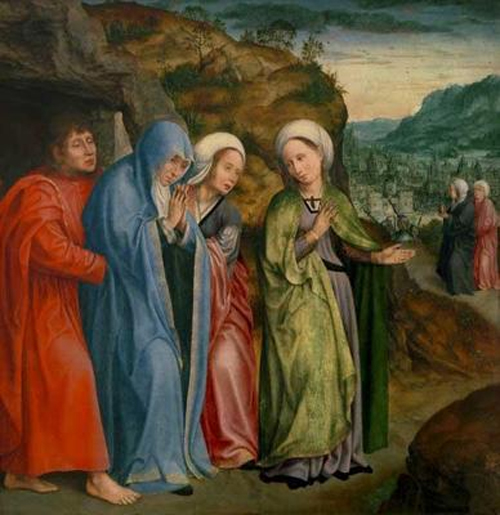
Yesterday, we heard in the Gospel of Jesus’ most merciful response to the woman who came to him begging forgiveness for her sins. Today we learn more about Jesus’ relationships with women. Given the understandings of the time, this Gospel account of the women in Jesus’ life is surprising and also inspiring. Luke’s Gospel has been considered the Gospel of women. In these Bible verses, we find the women who followed Jesus, as disciples, to be accounted as equivalent to the men [ … ]
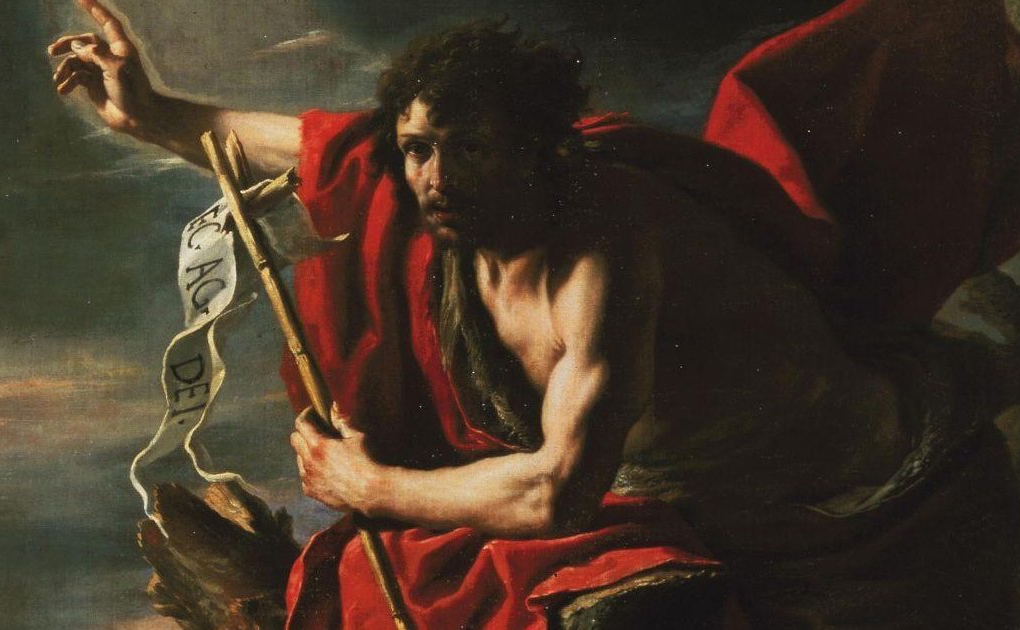
The disciples Peter, James and John have just witnessed the Transfiguration on the mountain. They have seen the glorified Christ, and now they are puzzled, because they have been taught that Elijah would come before the Messiah. These are the verses from the prophet Malachi, which are the last words of the Old Testament:
Psalm 3 reads like a personal entry in a diary. The psalmist opens up about the challenges he’s facing and how he discovers resilience through his faith in God. The psalmist finds himself surrounded by difficulties and doubters. Yet, amidst it all, he senses a protective presence from the divine [ … ]
