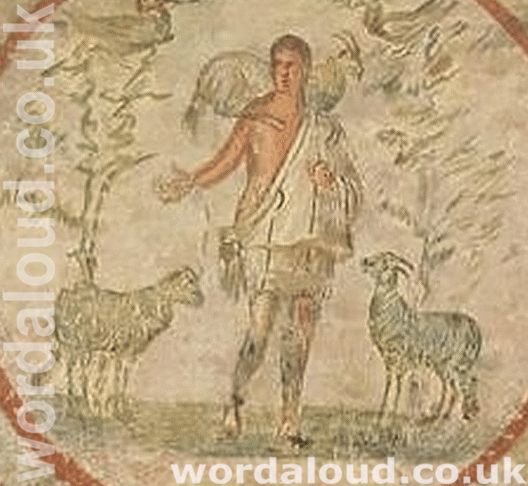
Christian Art | Jesus Christ The Good Shepherd | Ancient Artifact
Office Of Readings | Week 25, Sunday, Ordinary Time | From The Sermon Of Saint Augustine On The Shepherds | On Weak Christians
‘On weak Christians.’
Saint Augustine continues his reflection on Ezekiel 34 and the charge against negligent shepherds. The Lord’s accusation—’You have failed to strengthen the weak’—is interpreted in relation to two categories of believers: the weak and the sick. Augustine distinguishes between the two. The weak are those who sincerely wish to live a good life and even attempt good works, but lack the endurance to withstand trials. Their danger is not wrongdoing but fragility under pressure. The sick, by contrast, are those weighed down by sinful desires that prevent them from doing good at all.
This distinction allows Augustine to frame pastoral care as a twofold responsibility: to strengthen those who waver under trial and to heal those entangled in sin. Both require guidance, but in different ways. The weak need encouragement to endure suffering as well as to act virtuously, while the sick need liberation from the desires that prevent them from even beginning the Christian path.
To illustrate, Augustine recalls the Gospel account of the paralytic lowered through the roof to Christ (Mark 2:1–12). Just as the paralytic’s friends removed barriers to bring him before the Lord, so too must the faithful and their pastors labour to overcome obstacles—ignorance, sin, or despair—that prevent a soul from reaching Christ. He interprets ‘opening the roof’ as unveiling the hidden meaning of Scripture, which can reveal Christ the physician to those unable to find him.
The passage concludes with a return to consolation. Temptation, whether borne by the weak or the sick, is not beyond the scope of God’s providence. Augustine cites Paul’s reassurance (1 Corinthians 10:13): God both allows temptation and provides the means to endure it. Pastors, therefore, are not only called to rebuke negligence but also to proclaim hope, so that those weakened or broken by sin do not despair of healing in Christ.
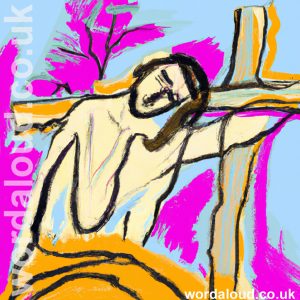
From The Sermon Of Saint Augustine On The Shepherds | On Weak Christians
You have failed to strengthen the weak, says the Lord. He is speaking to wicked shepherds, false shepherds, shepherds who seek their own concerns and not those of Christ. They enjoy the bounty of milk and wool, but they take no care at all of the sheep, and they make no effort to heal those who are ill. I think there is a difference between one who is weak (that is, not strong) and one who is ill, although we often say that the weak are also suffering from illness.
My brothers, when I try to make that distinction, perhaps I could do it better and with greater precision, or perhaps someone with more experience and insight could do so. But when it comes to the words of Scripture, I say what I think so that in the meantime you will not be deprived of all profit. In the case of the weak sheep, it is to be feared that the temptation, when it comes, may break him. The sick person, however, is already ill by reason of some illicit desire or other, and this is keeping him from entering God’s path and submitting to Christ’s yoke.
There are men who want to live a good life and have already decided to do so, but are not capable of bearing sufferings even though they are ready to do good. Now it is a part of the Christian’s strength not only to do good works but also to endure evil. Weak men are those who appear to be zealous in doing good works but are unwilling or unable to endure the sufferings that threaten. Lovers of the world, however, who are kept from good works by some evil desire, lie sick and listless, and it is this sickness that deprives them of any strength to accomplish good works.
The paralytic was like that. When his bearers could not bring him in to the Lord, they opened the roof and lowered him down to the feet of Christ. Perhaps you wish to do this in spirit: to open the roof and to lower a paralytic soul down to the Lord. All its limbs are lifeless, it is empty of every good work, burdened with its sins, and weak from the illness brought on by its evil desires. Since all its limbs are helpless, and the paralysis is interior, you cannot come to the physician. But perhaps the physician is himself concealed within; for the true understanding of Scripture is hidden. Reveal therefore what is hidden, and thus you will open the roof and lower the paralytic to the feet of Christ.
As for those who fail to do this and those who are negligent, you have heard what was said to them: You have failed to heal the sick; you have failed to bind up what was broken. Of this we have already spoken. Man was broken by terrible temptations. But there is at hand a consolation that will bind what was broken: God is faithful. He does not allow you to be tempted beyond your strength, but with the temptation he will also provide the way of escape, that you may be able to endure it.
Christian Prayer With Jesus Christ
Lord Jesus Christ,
you healed the sick and gave strength to the weak.
Lift us up when we falter,
release us from the desires that bind us,
and bring us before your mercy.
Grant your Church wise and faithful shepherds,
who know how to strengthen the wavering
and to heal the broken in spirit.
Keep us in your care,
and lead us to the joy of your kingdom,
where you live and reign with the Father and the Holy Spirit,
one God, now and forever.
Amen.
Glossary Of Christian Terms
Weak – In Augustine’s usage, believers who desire to do good but lack the endurance to withstand suffering or temptation.
Sick – Those held back from doing good by sinful desires, compared to the paralytic of the Gospels.
Ezekiel 34 – A prophetic passage condemning negligent shepherds of Israel, used by Augustine as a framework for his critique of bad pastors.
Mark 2:1–12 – The story of the paralytic healed by Christ after being lowered through the roof; Augustine uses it as a metaphor for bringing souls to the physician of salvation.
1 Corinthians 10:13 – Paul’s assurance that God does not allow believers to be tempted beyond their capacity, but provides the strength to endure.
Christ the Physician – A common patristic image of Christ as the healer of both physical and spiritual illnesses.




This extract from Saint Ignatius of Antioch’s Letter to the Magnesians offers valuable insight into the life, belief, and structure of the early Christian Church around the beginning of the 2nd century. Written while Saint Ignatius was being transported under armed guard to Rome for martyrdom, this letter – one of seven authentic epistles – reflects his deep concern for the unity and faithfulness of Christian communities in a time of external pressure and internal challenge [ … ]
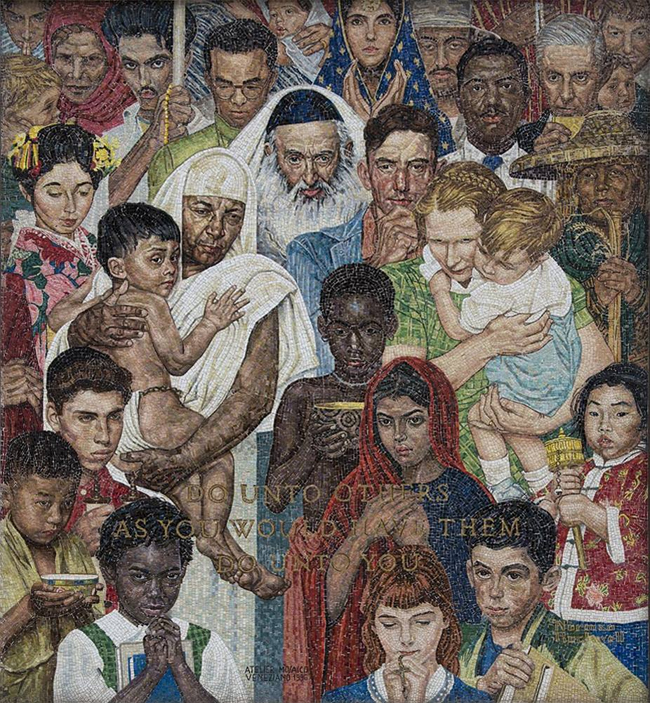
Jesus has discussed the resurrection of the dead with those who question him. He has spoken truly and in accordance with the Old Testament teachings of the Bible. The scribe who now asks Jesus his question is clearly a just man; he is not seeking to test Jesus but rather to learn from him and discover the truth. Jesus sees this and makes time to speak to the scribe quite plainly. The scribe accepts what Jesus has to say and we hear of Jesus’ message sinking into his heart [ … ]
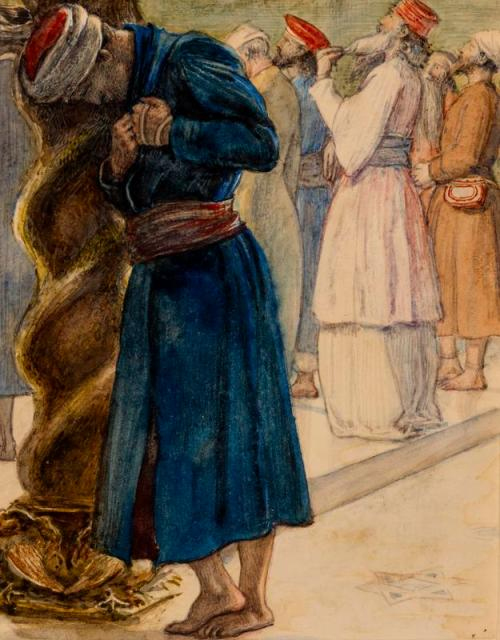
The scribes and Pharisees were two groups of religious leaders in ancient Judea, during the time of Jesus. The scribes were scholars who were responsible for copying and interpreting the Hebrew Scriptures (also known as the Old Testament). They were experts in the law and were often consulted on matters of religious practice and doctrine [ … ]