

Christian Art | Love Revealed By Jesus Christ | Increase My Faith
Faith is not merely a passive acceptance but an active trust in God’s promises. It is a dynamic and living aspect of our relationship with God. When we face life’s challenges, our faith can be tested. These tests are opportunities for growth, allowing us to deepen our reliance on God.
Gospel Reading: Luke 17:5 (KJV)
‘And the Apostles said unto the Lord, Increase our faith.’
Reflection On The Gospel
In this verse, the Apostles recognize their need for greater faith and turn to Jesus, asking Jesus to increase their faith. This expresses understanding that faith is a divine gift that can be nurtured and grown through God’s grace. The Apostles ’ humble plea is a powerful reminder that we can seek to strengthen faith by relying on Jesus in prayer.
Reflection On Failure Of Faith
There are moments in life when faith might falter. These times of doubt and struggle can make Christians feel distant from God. It is important to remember that experiencing doubts does not mean we have failed in faith; rather, it is a natural part of spiritual journey. Even the greatest saints have faced moments of doubt and uncertainty.
Pope Francis has spoken about the reality of doubts in our faith journey. He has said: ‘Who among us has not experienced insecurity, loss, and even doubts on their journey of faith? It is part of the journey of faith; it is part of our lives.’ Pope Benedict XVI also addressed this, stating: ‘The trials of life, while helping us to appreciate the beauty of faith, also enable us to experience moments of spiritual emptiness. This is a condition shared by believers and non-believers alike, and it can become a call to seek God.’
Prayer
Heavenly Father, I come to you today with a heart seeking deeper faith. I acknowledge the times when my faith has wavered, and I have felt distant from you. Just as the Apostles asked Jesus to increase their faith, I ask you now to strengthen mine. Help me to trust in your love and guidance, especially in times of doubt and uncertainty. Fill my heart with the assurance of your presence and the confidence that you are always with me. Thank you for your unending grace and mercy. In Jesus’ name, I pray. Amen.
Personal Reflection
I think about a time when my faith was tested. What circumstances led to my doubt or uncertainty? How did I feel during that period, and what helped me to overcome those feelings? Reflecting on these experiences helps me understand that doubt is a natural part of my faith journey and that seeking God’s guidance can lead me back to a place of trust and belief.
Meditation On The Prayer And Gospel
The Apostles’ request for increased faith in Luke 17:5 is a powerful example of humility and reliance on Jesus. They recognized their limitations and turned to Jesus for help. This act of turning to Jesus is crucial in my own life, especially when I face challenges that test my faith.
I consider the story of Peter walking on water (Matthew 14:22-33). Peter’s faith allowed him to step out of the boat, but when he saw the wind and waves, he became afraid and began to sink. Jesus immediately reached out his hand to save Peter, saying: ‘O thou of little faith, wherefore didst thou doubt?’ This story illustrates that even in moments of doubt, Jesus is there to support me and strengthen my faith.
Reflecting on ways in which Jesus has been present in my life during times of trial, I can recall moments when I felt Jesus’ guidance and comfort. These experiences impact my faith, helping me understand Jesus’ role in strengthening my faith.
Faith is not merely a passive acceptance but an active trust in God’s promises. It is a dynamic and living aspect of my relationship with God. When I face life’s challenges, my faith can be tested. These tests are opportunities for growth, allowing me to deepen my reliance on God.
Consider the Apostle Thomas, who doubted Jesus’ resurrection until he, Thomas, saw and touched Jesus’ wounds. Jesus did not rebuke Thomas harshly but offered him the evidence he needed, saying, ‘Reach hither thy finger, and behold my hands; and reach hither thy hand, and thrust it into my side: and be not faithless, but believing.’ (John 20:27 KJV) Thomas’ encounter with the risen Christ transformed his doubt into a profound declaration of faith: ‘My Lord and my God!’ (John 20:28 KJV)
Pope Benedict XVI wrote: ‘Faith, which sees the love of God revealed in the pierced heart of Jesus on the Cross, gives rise to love. Love is the light—and in the end, the only light—that can always illuminate a world grown dim and give us the courage needed to keep living and working.’
Pope Francis said: ‘Faith is born and reborn from the encounter with Jesus, from experiencing his mercy which illumines all the situations of our life. We need faith, a living faith, that makes us see the greatness of God’s mercy.’


Personal Application
As I reflect on my journey, I identify moments when my faith was particularly strong or weak. What external and internal factors contributed to these experiences? How did I respond, and what did I learn about myself and my relationship with God?
Faith is a journey marked by both certainty and doubt. By turning to Jesus and seeking His help, I can navigate the challenges and grow stronger in my faith. Let me continually ask Jesus to increase my faith and guide me through every season of life.
Our Blessing
May the love of Christ fill my heart and strengthen my faith. May Gos’s grace empower me to trust in Jesus’ promises and seek his guidance in all things. May I go forth in love, extending hope and compassion to all I meet. Amen.


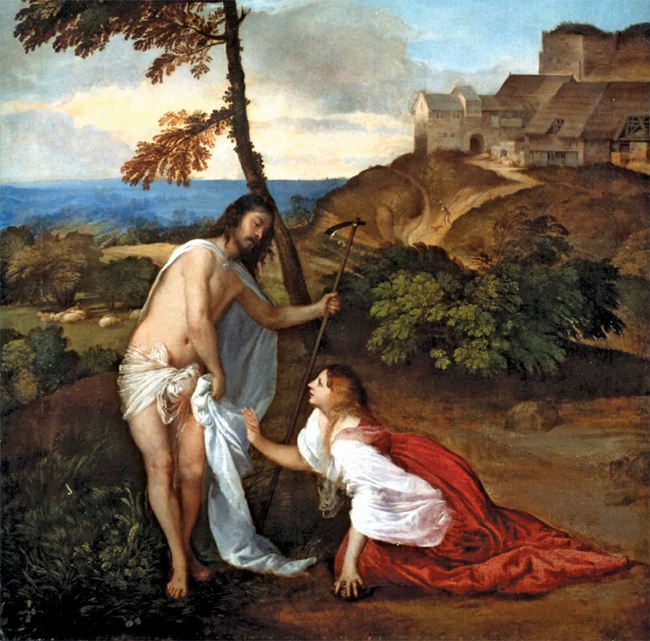
Who Is Mary Magdalene? Mary Magdalene is known for her unwavering faith and devotion to Jesus. In the Bible, she is one of the few people who stood by Jesus during his crucifixion and witnessed his resurrection. Her faith and courage have inspired Christians for centuries, and her example continues to resonate today [ … ]
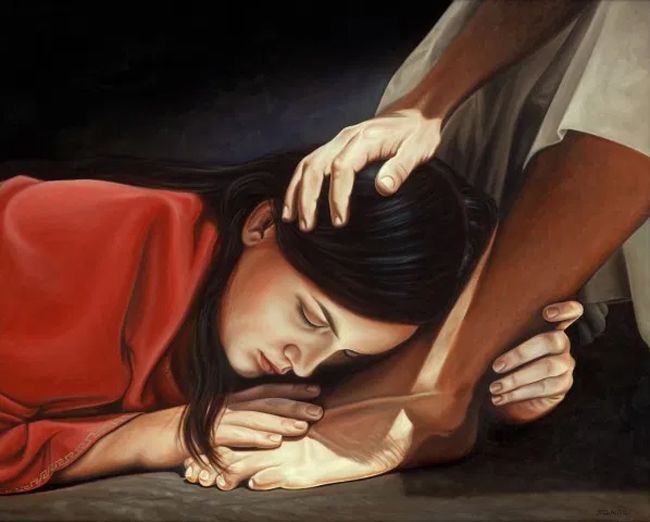
As we have heard in our Palm Sunday reading, Mary anoints Jesus. In John’s account, she anoints Jesus’ feet and wipes them with her hair. This is a sign of great love and humility, which Jesus will offer to his followers in John’s account of the Last Supper. The ointment she uses is very precious, costing a year’s wages for a labouring man, and the whole house is filled with the beautiful scent [ … ]
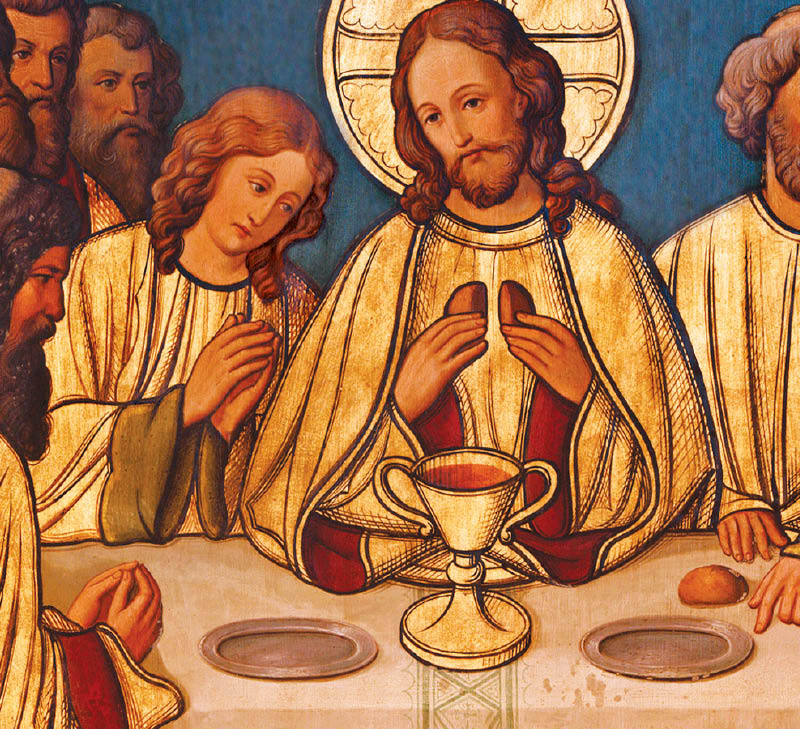
In the Bible, a miracle is an event that is not explicable by natural or scientific laws and is therefore attributed to a divine agency. Miracles are often seen as a sign of the intervention of God in the affairs of human beings. In the Old Testament, the most famous miracles are the Ten Plagues of Egypt, in which God punished the Pharaoh for refusing to release the Israelites from slavery, and the parting of the Red Sea, in which God allowed the Israelites to escape from the pursuing Egyptians by opening a path through the sea. In the New Testament, the miracles of Jesus are a central part of his ministry and are seen as evidence of his divinity. These include healings, such as the restoration of sight to the blind and the raising of the dead, and acts of nature, such as turning water into wine and walking on water. Is There A Theological Significance To Jesus’ Miracles? In the Christian tradition, the miracles performed by Jesus are seen as a manifestation of his divinity and as proof of his authority to teach and heal. Many of these miracles are described in the Gospels of the New Testament, which are the primary source of information about the life and teachings of Jesus. The purpose of the miracles, according to the Gospels, was to demonstrate Jesus’ power over natural forces and to show that he had the authority to forgive sins and offer salvation to those who believed in him. Why Did Jesus Ask To Keep His Miracles Secret? ‘Tell No One Of This.’ In the Gospels, there are a few instances where Jesus tells people not to tell others about what he has done for them. For example, in the Gospel of Matthew, after Jesus healed a man who was possessed by demons, he told the man, ‘See that you tell no one anything, but go, show yourself to the priest and offer the gift that Moses commanded, as a proof to them’ (Matthew 8:4). In this case, it seems that Jesus was concerned that the man’s testimony might not be believed or might be misunderstood, and so he asked him to keep the experience to himself for the time being. It is difficult to say for sure why Jesus might have asked someone to keep quiet about a miracle without knowing the specific context in which the request was made. However, some possible reasons that come to mind include: To avoid drawing unnecessary attention to himself. In the Gospels, Jesus often tries to avoid drawing too much attention to himself, especially from the authorities who are hostile to him. Asking someone to keep quiet about a miracle might be one way of avoiding unwanted attention and allowing Jesus to continue his ministry without interference. To allow the person who was healed to experience the transformation for themselves. In some cases, the person who was healed might have been skeptical or unsure of what had happened to them. Asking them to keep quiet about the miracle might have given them time to reflect on the experience and come to their own understanding of it without being influenced by others. To test the person’s faith. In some cases, Jesus might have asked someone to keep quiet about a miracle as a test of their faith. If they were truly grateful for what Jesus had done for them, they would be willing to follow his instructions and trust that he had a good reason for asking them to keep quiet. These are just a few possible reasons why Jesus might have asked someone to keep quiet about a miracle. It is important to remember that the Gospels are ancient texts and that we must be careful not to impose our own interpretations on them without considering the historical and cultural context in which they were written. To avoid creating conflict or division. In the Gospels, Jesus often encounters people who are skeptical or hostile to his teachings, and he sometimes tries to avoid confrontations with them. Asking someone to keep quiet about a miracle might be one way of avoiding a confrontation or a heated debate that could disrupt his ministry. To avoid being misunderstood or misrepresented. In some cases, the person who was healed might not have understood the full significance of what Jesus had done for them, and they might have tried to explain it in a way that distorted or misrepresented the truth. Asking them to keep quiet might have given Jesus time to explain things to them more fully and help them to understand the true meaning of the miracle. To avoid becoming a spectacle. In the Gospels, there are many instances where people are amazed by the miracles that Jesus performs, and they often try to make him into a kind of celebrity or showman. Asking someone to keep quiet about a miracle might have been one way of avoiding this kind of attention and keeping the focus on the message that Jesus was trying to convey. What Is The Significance Of Miracle Of The Wedding At Cana? In the Christian tradition, the wedding at Cana is significant because it is the first of the miracles performed by Jesus that is recorded in the Gospels of the New Testament. This event is described in the Gospel of John, where it is said that Jesus, along with his mother Mary and his disciples, attended a wedding in the town of Cana. At the wedding, the host ran out of wine, and Mary asked Jesus to help. In response, Jesus turned water into wine, which is seen as a miraculous act that demonstrated his power and authority. In the Gospel of John, after Mary asks Jesus to help with the wine at the wedding in Cana, he replies, “Woman, what does this have to do with me? My hour has not yet come” (John 2:4). This statement is often seen as indicating that Jesus was aware […]
