

Christian Art | Prayer With Jesus | Meditations On The Love Of Jesus Christ | Image By Dall-E
Matthew 5: 27-30 | King James Audio Bible | KJV | King James Version
‘Thou shalt not kill.’
The commandment calls for faithfulness, loyalty and integrity in our relationships with our spouses or committed partners. Adultery not only breaks the trust and emotional bond between individuals but has the potential to cause immense pain, suffering and disruption in families and communities. It is a violation of the commitment and vows made to one another, and a betrayal of the sanctity of the marital or committed relationship.
Ten Commandments In The Light Of Jesus Christ | Meditations On The Love Of Jesus Christ
Jesus not only emphasized the physical act of adultery but also addressed the importance of guarding our thoughts and desires. He taught that even looking at someone with lustful intent is already a form of adultery in the heart (Matthew 5:28). This highlights the significance of purity in both our actions and our innermost thoughts.
In today’s culture, we are bombarded with sexualized images, explicit content, and messages that objectify and dehumanize others. The prevalence of pornography and the hypersexualization of individuals can distort our perception of relationships and contribute to the erosion of healthy intimacy.
As followers of Jesus, we are called to resist the lure of lustful thoughts and to be mindful of the media and environments we expose ourselves to. We are to cultivate a mindset that values the inherent worth and dignity of every person, treating them with respect and honouring their autonomy.
Instead of objectifying others for our own gratification, Jesus invites us to see people as individuals created in the image of God, deserving of love, care, and understanding. Jesus teaches us to foster genuine connections built on mutual respect, emotional intimacy, and the desire for the well-being of others.
To combat lustful thoughts and the objectification of people, we can actively engage in practices that promote purity and the sanctity of relationships. This may involve seeking accountability and support from trusted friends or mentors, practising self-discipline in our thought life, and filling our minds with positive and uplifting content.
Furthermore, we should be intentional about cultivating healthy and respectful relationships with others, fostering open communication, and promoting a culture of consent and mutual consent.
‘But I say unto you, That whosoever looketh on a woman to lust after her hath committed adultery with her already in his heart.’ (Matthew 5:28, KJV)

Prayer To Jesus | Love Revealed By Jesus Christ | A Choice Of Prayers
- Jesus, help me guard my thoughts and resist lustful desires. Fill my mind with purity and guide me in treating others with respect and honour. Amen.
- Jesus, I pray for strength and self-control when faced with sexual temptations. Renew my mind and help me focus on building healthy and loving relationships. Amen.
- Jesus, I confess my struggles with lustful thoughts. Please forgive me and cleanse my heart. Help me to see others as you see them, with love and dignity. Amen.
- Jesus, I surrender my impure desires to you. Transform my thoughts and help me value the beauty of emotional intimacy and genuine connections. Amen.
- Jesus, protect my mind from the harmful influences of a sexualized culture. Fill me with your wisdom and guide me in making choices that honour you and others. Amen.
- Jesus, I ask for your grace to break free from the grip of lustful thoughts. Empower me to cultivate purity and respect in my relationships. Amen.
- Jesus, grant me discernment to recognize and reject the objectification of others. Help me see people as unique individuals, worthy of love and genuine connection. Amen.
- Jesus, I surrender my desires to you. Purify my heart and fill me with a deep longing for true intimacy that aligns with your design. Amen.
- Jesus, I acknowledge the harm caused by lustful thoughts and the objectification of others. Help me redirect my thoughts toward honouring and respecting all people. Amen.
- Jesus, I seek your guidance in overcoming lustful thoughts and embracing a mindset of purity and respect. Help me to value others as precious souls created in your image. Amen.



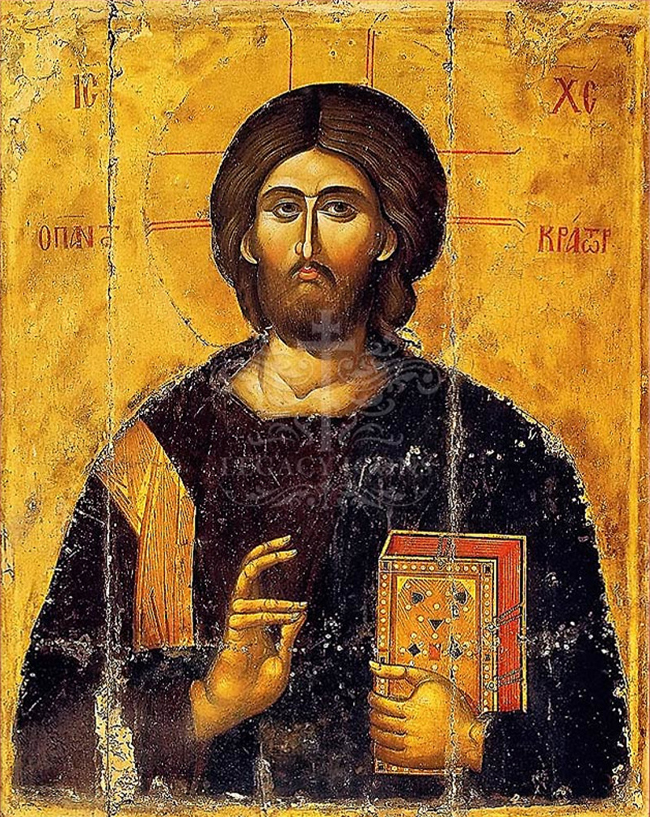
Christian Art | Life Of Jesus In The Gospels | King James Audio Bible KJV The Gospel Of Saint John 14: 1-7 | King James Audio Bible YouTube: Connection With The Life Of Jesus In The Gospels | King James Audio Bible The Gospels are not just a collection of stories or teachings, but a window into the life of Jesus. By reading and reflecting on the Gospels, we gain a deeper understanding of who Jesus was and what he came to do. As we read the Gospels, we see that Jesus was a man of great compassion and love. Jesus showed mercy to the outcasts and the marginalized, and he offered healing and hope to those who were in need. He also taught with authority, challenging the religious leaders of his day and offering a new way of living based on love and service. But the Gospels are not just a history lesson. They are also an invitation for us to enter into a relationship with Jesus. By reading and meditating on the Gospels, we can come to know Jesus more personally and deeply. We can learn from his example and seek to follow in his footsteps. So we may be encouraged to read the Gospels, perhaps starting with the Gospel of Mark or the Gospel of John, as we read paying attention to how Jesus interacted with others and how he responded to different situations. We may ask ourselves what you can learn from his words and actions, and how we can apply them to our own lives. And as we read, we can allow ourselves to be drawn into a closer relationship with Jesus. There truly is an historical Jesus. May the Gospels be a source of guidance, inspiration, and transformation for us all. How Much In The Gospels Is Historical, And How Much Is Myth, Legend, Trope, Figurative Thinking? It is difficult to say with certainty how much of the Gospels is historical in the modern sense of the word and how much is myth, legend, trope, or figurative thinking. The Gospels were written some years after the events they describe, and they were written from the perspective of the early Christian community. This means that the Gospels may contain a mix of historical facts and interpretation, as well as elements of myth, legend, and figurative thinking. That being said, scholars believe that the Gospels contain a good deal of historical information. For example, the Gospels describe specific places and events, such as the places where Jesus preached and the events of his trial and Crucifixion. These details suggest that the writers of the Gospels had access to historical information and intended to provide an accurate account of what happened. On the other hand, the Gospels also contain elements that are not seen by all as historical, howsoever this goes to the root of the faith, such as the miracles performed by Jesus and the accounts of his resurrection. Some see these as legends or myths that were added to the Gospels to help convey the message of the early Christian community. The question of how much of the Gospels is historical and how much is myth, legend, or figurative thinking is complex. What is important is that we approach the Gospels with an open mind and a willingness to engage with the stories and teachings they contain. We are in the Gospels in conversation with God – and with the many people who have had such faith and conversations – as with the historical Jesus. Why Do The Gospels Say Were People Afraid Of Jesus? There are several reasons why people may have been afraid of Jesus, according to the Gospels. One reason is that Jesus was a powerful and charismatic figure who challenged the religious and political authorities of his time. He spoke out against corruption and injustice, and he called on people to repent and turn to God. This type of behaviour was seen as threatening by those in positions of power, and they may have been afraid of losing their influence or authority. Another reason is that Jesus performed many miracles, such as healing the sick and casting out demons. These miracles were seen as evidence of his divine power, and they may have made people afraid of him. Some people may have been afraid of being healed or possessed by Jesus, while others may have been afraid of what would happen if they did not believe in him. Finally, some people may have been afraid of Jesus because of the prophecies and expectations of the coming of a messiah. The Jews of Jesus’ time were looking for a saviour who would deliver them from oppression and establish a kingdom of God on earth. When Jesus arrived on the scene, he may have been seen as a threat to the status quo, and some people may have been afraid of what he might do. Might The Fear Be Related To The Fear Of God – The Injunction To Fear God? Yes, it is possible that the fear of Jesus mentioned in the Gospels may be related to the fear of God. In the Old Testament, the fear of God is often used to describe a deep reverence and awe for God, as well as a sense of humility and obedience in the face of his greatness. This fear of God is seen as a positive and necessary quality for a faithful believer, and it is often linked to the idea of fearing God’s punishment or judgement. In the New Testament, the fear of God is also mentioned, but it is often portrayed in a more positive light. For example, in the Gospel of Luke, Jesus tells his followers not to be afraid of those who can only kill the body, but to fear God, who can destroy both body and soul (Luke 12:4-5). This suggests that the fear of God is not just about punishment, but about a deep respect for […]

Artificial Intelligence (AI) has raised questions concerning the nature and value of the human person, and the future of humanity, to the forefront of public discussion. Possible consequences of the growth and development of AI include unemployment, the replacement of human labour by artificial systems, a concentration of wealth and economic power away from local communities and towards large technology corporations, civilizational collapse and, at the extreme, catastrophic extinction of humanity. Such possibilities have themselves produced an apocalyptic language around AI. In the light of the book The Revelation Of Saint John The Divine, or Apocalypse, we may interrogate modern technology and AI through the lens of Christian faith, and through an awakened sense of our humanity. In doing so, we follow here and draw upon the encyclical of Pope Leo XIV, Magnifica Humanitas. We consider what the real capabilities and dangers of AI amount to, what Revelation actually says about power and deception, and how a Christian account of the end of history judges both technological fear and technological hope [ … ]

Saint Cyril presents the Christian confession not as a remembrance of a single event but as the acknowledgement of two distinct comings of Christ. The first has already taken place in humility; the second is to come in manifest glory. This double perspective shapes both Christian faith and Christian waiting [ … ]