

The Ten Commandments | The First Commandment: ‘I Am The Lord Your God. You Shall Not Have Strange Gods Before Me.’ | King James Audio Bible
The first commandment is a cornerstone of the Christian faith, as it establishes the principle of monotheism and the belief in one all-powerful, all-knowing, and all-loving God. According to the Catechism of the Church, this commandment ‘requires man neither to believe in, nor to worship, other divinities than the one true God. Scripture constantly recalls this rejection of ‘idols, [of] silver or gold, the work of men’s hands. They have mouths, but do not speak; eyes, but do not see.’ These empty idols make their worshippers empty: ‘Those who make them are like them; so are all who trust in them.’ God, however, is the ‘living God’ who gives life and intervenes in history’ (CCC 2113).
In practical terms, this commandment calls on Christians to put God first in their lives and to resist the temptation to worship or place their trust in anything or anyone other than God. This can include the worship of false gods or idols, such as money, power, or fame, or even the worship of oneself. It also means rejecting any belief systems or practices that are incompatible with the teachings of Christ and the Church.
One of the key ways that Christians can live out this commandment is by participating in regular worship and prayer, which helps to strengthen their relationship with God and cultivate a sense of devotion and reverence. It is also important to actively seek out opportunities to serve others and to put the needs of others before one’s own, as this is a way of demonstrating one’s love for God and of putting God’s will above one’s own desires.
The first commandment is a fundamental aspect of the Christian faith that calls on believers to put God first in their lives and to reject any false gods or idolatries that may distract them from their relationship with God. By following this commandment and living out its principles in their daily lives, Christians can more fully embrace their faith and grow closer to God.
Why Do We Worship God?
Worship is an expression of love, devotion, and reverence towards God. It is a way for believers to connect with God, to give thanks and praise for the blessings they have received, and to seek guidance and strength for their lives. Through worship, Christians are able to enter into a deeper relationship with God and to experience a sense of peace and fulfilment that comes from aligning their lives with God’s will.
Worship serves as a reminder of the central role that God plays in our lives and of the many ways in which God has blessed us. It helps to cultivate a sense of humility and gratitude, as believers recognize that everything they have is a gift from God and that they are called to use their blessings to serve others.
Worship provides a sense of community and belonging, as believers come together to pray, sing, and learn from one another. It is a way of strengthening the bonds of fellowship and of supporting one another in living out their faith.
Can People Be Forced To Believe In God?
Belief in God is a deeply personal matter that is ultimately up to the individual. It is not something that can be forced or coerced. While others may try to persuade or influence someone’s beliefs, ultimately it is up to the individual to decide what they believe.
In fact, the Catechism states that ‘man has the right to act in conscience and in freedom so as personally to make moral decisions. He must not be forced to act contrary to his conscience. Nor must he be prevented from acting according to his conscience, especially in religious matters’ (CCC 1782).
This principle of freedom of conscience is a fundamental aspect of human dignity and is protected by various international human rights instruments. It is recognized that people have the right to hold their own beliefs and to practice their faith without interference or coercion.
It is important to recognize that belief in God is not something that can be proven or disproven through scientific means or logical argument alone. Belief in God is a matter of faith, and it is up to each individual to decide whether or not they believe in God and what that belief means to them.


Are New Age Beliefs Sinful?
The term ‘New Age’ refers to a diverse range of spiritual and philosophical beliefs that are often characterized by a focus on personal growth, holistic healing, and the search for ultimate truth. While many of the principles and practices associated with the New Age movement may be seen as benign or even beneficial, some Christian believers may view certain aspects of New Age beliefs as incompatible with their own faith.
According to the Church, ‘all divisions among men and their opposition to one another, especially among Christians, spring from the old serpent, who is ‘a liar and the father of lies’ (Jn 8:44). His is the deadly deception of those who, ‘claiming to be wise, became fools’ (Rom 1:22). The desire for power and goods can also lead to acts of idolatry, creating ‘gods’ in their own image and likeness’ (CCC 2119).
In this sense, any belief or practice that takes one’s focus away from the one true God and places it on something else, whether it be a person, an object, or an ideology, could be considered sinful. This could include certain New Age beliefs that seek to deify the self or to worship other deities or powers.
However, it is important to note that the New Age movement is a very broad and diverse collection of beliefs and practices, and not all of them may be considered sinful or incompatible with Christian beliefs. It is for each individual to prayerfully discern what aligns with their own faith and to seek guidance from trusted spiritual leaders if they have questions or concerns.
Why Do Christians Make Graven Images Of God?
Graven images are defined as any physical representation of a deity or spiritual being. In Christianity, the use of graven images, including icons, is a way of depicting the person or events of the Christian faith and of creating a visual representation of the divine.
The use of graven images has also been a source of controversy within the Christian tradition. The second commandment states, ‘You shall not make for yourself an idol, whether in the form of anything that is in heaven above, or that is on the earth beneath, or that is in the water under the earth’ (Exodus 20:4). Some interpret this as a prohibition against the use of any physical representation of God or religious figures.
Other Christians believe that the second commandment is not a blanket prohibition against all graven images, but rather a warning against the worship of false idols or the idolization of created things rather than the Creator. In this view, the use of icons or other visual representations of God or religious figures can be a helpful aid to worship and a way of deepening one’s understanding of and devotion to the divine.
The use of icons and other graven images is especially prevalent in the Eastern Orthodox Church, where they are considered to be ‘windows into heaven’ and are believed to possess a special spiritual power. In the Western Church, the use of icons has also played a significant role in the artistic and spiritual traditions of many communities.
How Is Yahweh God Distinct From Pseudo-Deities?
Yahweh is the Hebrew name for the one true God of the Abrahamic faiths (Judaism, Christianity, and Islam). According to the Hebrew Bible, Yahweh is the creator of the universe and the source of all life, and is characterized by his boundless love, mercy, and justice. Yahweh is a personal God who is present and active in the world, and who has entered into a covenant relationship with his people, offering them guidance, protection, and blessings.
In contrast to Yahweh, pseudo-deities are often characterized as false gods or idols, which are worshiped or revered in place of the one true God. These can take many different forms, including natural forces, objects, or human-made idols. Pseudo-deities are often seen as lacking the power, majesty, and authority of the true God, and are often associated with idolatry and the worship of created things rather than the Creator.
One of the key ways that Yahweh is distinct from pseudo-deities is in his relationship to his people. Yahweh is a personal God who has entered into a covenant with his people, promising to be with them and to guide them in their lives. In contrast, pseudo-deities are often seen as distant or capricious, and do not offer the same sense of personal connection or the opportunity for a meaningful relationship.
A key difference is in the nature and character of Yahweh. Yahweh is a loving and merciful God who is always ready to forgive and to offer second chances to those who repent and turn to him. In contrast, pseudo-deities are often characterized by their demanding or capricious nature, and do not offer the same sense of unconditional love and grace.
Yahweh is the one true God, who offers a personal relationship, loving guidance, and the promise of eternal life to those who believe in him.



The Sermon on the Mount continues with Christ’s call to reconciliation and forgiveness. Jesus urgently wishes the Jews to be at peace among themselves, and he implores his listeners not to aggravate the Roman oppressors, whose utter brutality in suppressing dissent would indeed ultimately destroy Jerusalem. (We should remember that, prior to AD 70, thousands of Jews could be crucified at just one go to suppress insurrectionary threats.) Just as God’s love is for everyone, so we should see everyone as being our neighbour. This is the truth of the teaching of Levitus (19:18): ‘You shall love your neighbour.’ [ … ]
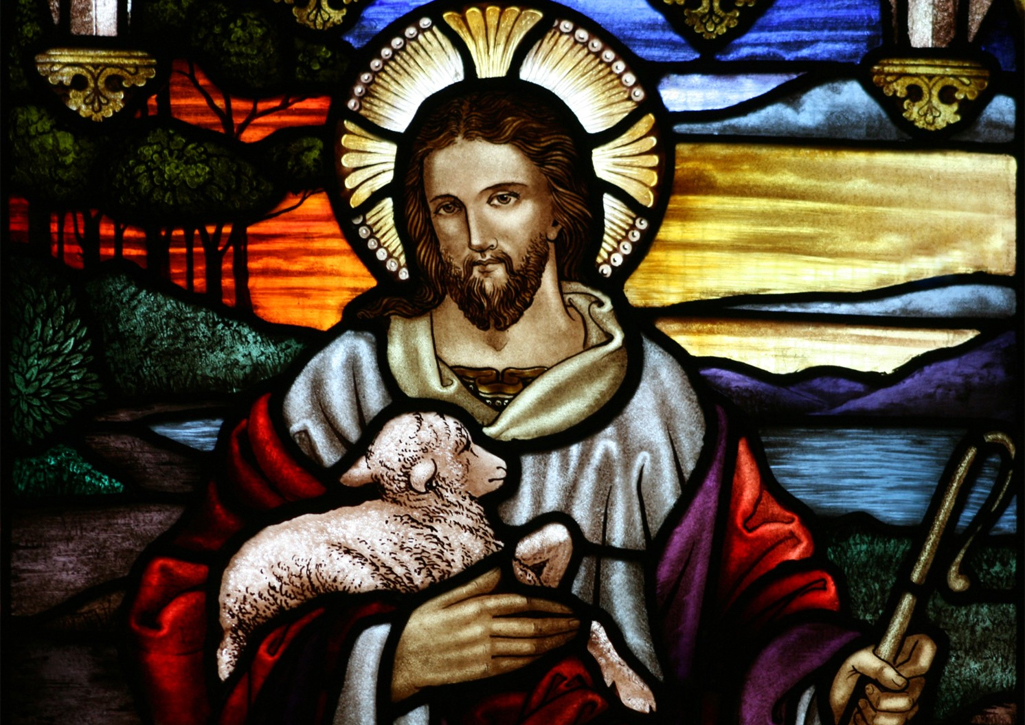
Christ offers himself to the people as the good shepherd, recalling a favourite theme of Old Testament prophecy. Priests and kings are so described, and indeed God is spoken of as a shepherd, as we hear, for example, in Psalm 23: THE Lord is my shepherd; I shall not want. 2 He maketh me to lie down in green pastures: he leadeth me beside the still waters [ … ]
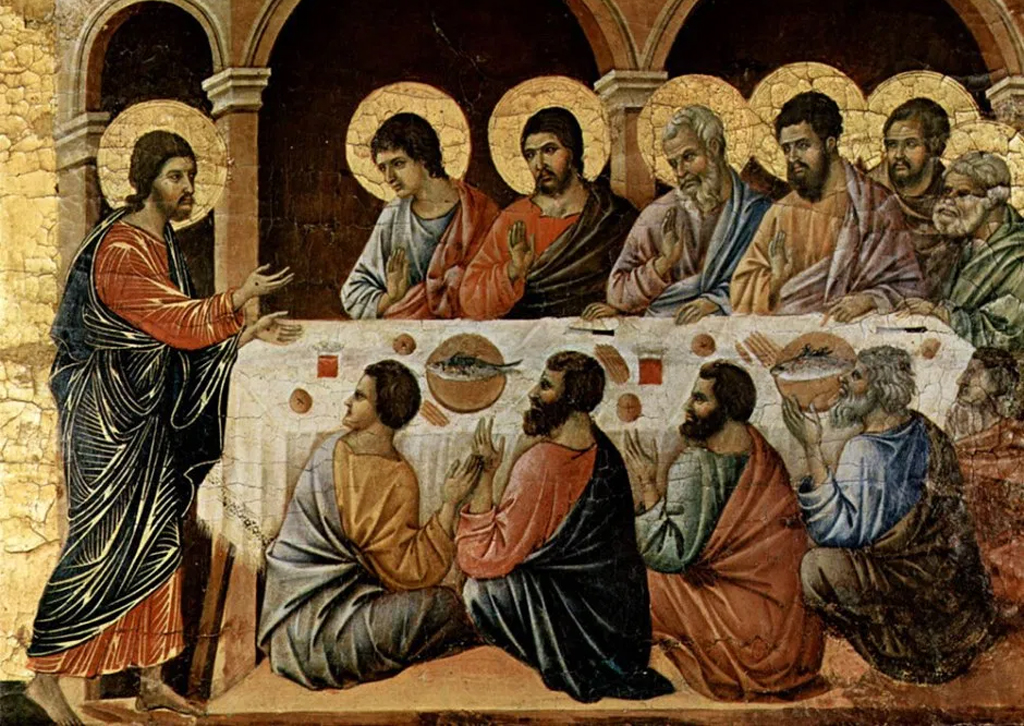
Jesus now gives to us a clear and ready way to salvation. We are to behold the Son of God, to believe in him, and then we shall be saved. These Bible verses for Easter continue to draw on the great miracle of the loaves and the fishes, when Jesus took a poor boy’s daily ration and fed the five thousand who had gathered to hear his word [ … ]
