
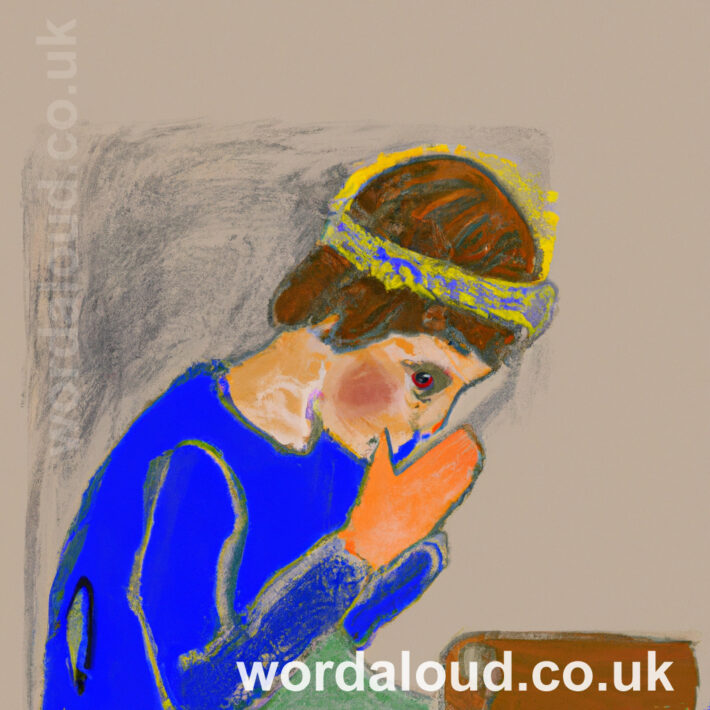
Christian Art | Prayer With Jesus | Psalms | A Call To Worship And Salvation | King David As A Boy | Audio KJV | Love Revealed By Jesus Christ | King James Audio Bible
Psalm 95 | King James Audio Bible
YouTube: Psalm 95 | KJV | King James Version | Audio Bible | Word Aloud
The psalm opens with an exuberant summons: ‘O come, let us sing unto the Lord: let us make a joyful noise to the rock of our salvation.’ This lively call to worship sets the tone for a collective celebration, a harmonious expression of gratitude and joy directed towards God. The reference to the ‘rock of our salvation’ reminds of God’s steadfastness and reliability, a foundation on which believers can confidently stand.
This invitation extends beyond mere vocalization; it encompasses the posture of the heart. ‘Let us come before his presence with thanksgiving, and make a joyful noise unto him with psalms.’ The act of thanksgiving becomes intertwined with the music of psalms, suggesting an holistic worship experience that engages both the vocal and reflective dimensions of the worshiper.
The psalmist presents a theological assertion: ‘For the Lord is a great God, and a great King above all gods.’ This declaration underscores unparalleled greatness and supremacy of God, positioning God as unrivaled King above all other perceived deities. This sets the stage for contemplation of God’s creative power and sovereignty.
Imagery employed emphasizes God’s dominion: ‘In his hand are the deep places of the earth: the strength of the hills is his also. The sea is his, and he made it: and his hands formed the dry land.’ These verses portray God holding the earth’s depths, sculpting the majestic hills, and forming both the vast sea and the solid ground. The natural elements are depicted as the handiwork of God, prompting recognition of God’s creative prowess.
The psalm takes a reflective turn, transitioning from jubilation to humble reverence: ‘O come, let us worship and bow down: let us kneel before the Lord our maker.’ This shift in tone invites the worshipers not only to celebrate but to approach God in posture of humility and awe, acknowledging God as their maker.
The psalmist reinforces this relational dynamic: ‘For he is our God, and we are the people of his pasture, and the sheep of his hand.’ This intimate portrayal encapsulates the covenantal bond between God and His people. The pastoral imagery conveys God’s care, with believers depicted as the sheep under His attentive and protective guidance.
Amidst the call to worship and acknowledgment of God’s greatness, the psalm introduces a note of urgency and caution: ‘Today if ye will hear his voice, Harden not your heart, as in the provocation, and as in the day of temptation in the wilderness.’ The historical reference to the Israelites’ hardening of hearts during the wilderness journey is a cautionary tale, urging worshipers not to repeat the mistakes of their forebears.
The psalmist recalls the Israelites’ testing of God and their subsequent forty years of wandering: ‘When your fathers tempted me, proved me, and saw my work. Forty years long was I grieved with this generation, and said, It is a people that do err in their heart, and they have not known my ways.’ This reflection on past disobedience is a sobering reminder of the consequences of a hardened heart and a deviation from God’s ways.
The psalm concludes with a divine oath: ‘Unto whom I sware in my wrath that they should not enter into my rest.’ This reference to God’s solemn oath, made in response to the disobedience of the Israelites, underscores the gravity of the Israelites’ actions and isa cautionary conclusion to the call for worship. It emphasizes the importance of receptive hearts and a willingness to heed God’s voice to enter into His rest.
Psalm 94 | King James Audio Bible KJV | Love Revealed By Jesus Christ
O come, let us sing unto the Lord: let us make a joyful noise to the rock of our salvation.
Let us come before his presence with thanksgiving, and make a joyful noise unto him with psalms.
For the Lord is a great God, and a great King above all gods.
In his hand are the deep places of the earth: the strength of the hills is his also.
The sea is his, and he made it: and his hands formed the dry land.
O come, let us worship and bow down: let us kneel before the Lord our maker.
For he is our God, and we are the people of his pasture, and the sheep of his hand. Today if ye will hear his voice,
Harden not your heart, as in the provocation, and as in the day of temptation in the wilderness:
When your fathers tempted me, proved me, and saw my work.
Forty years long was I grieved with this generation, and said, It is a people that do err in their heart, and they have not known my ways:
Unto whom I sware in my wrath that they should not enter into my rest.

Psalm 95 | King James Audio Bible KJV | Love Revealed By Jesus Christ
- Invitation To Worship: Psalm 95 opens with a vibrant call to worship, inviting believers to engage in joyous singing and celebration before the Lord.
- Acknowledgment Of God’s Greatness: The psalm emphasizes the greatness of the Lord, highlighting His status as a great God and King above all gods. It underscores God’s sovereignty and majesty.
- Creative Power Of God: Imagery is employed to depict God’s creative power, with references to His hand holding the deep places of the earth, the strength of hills, and the formation of the sea and dry land.
- Posture Of Humble Reverence: Amid the celebration, the tone shifts to a posture of humble reverence, urging worshippers to bow down, kneel, and acknowledge the Lord as their Maker.
- Covenantal Relationship: The psalm emphasizes intimate relationship between God and His people, portraying believers as the sheep of God’s pasture and underscoring care and guidance provided by God.
- Cautionary Reflection: A cautionary note is introduced, referencing the historical disobedience of the Israelites in the wilderness. The psalm warns against hardening the heart and emphasizes the significance of heeding God’s voice.
- Divine Grief And Consequences: Reflecting on the Israelites’ disobedience, the psalm portrays God’s grief and the consequential oath that prevented that generation from entering His rest. This theme underscores the seriousness of faithfulness and obedience in worship.
- Rest As Spiritual Promise: The mention of ‘rest’ is a metaphor for the promised land and the ultimate place of divine communion and peace, highlighting spiritual significance of obedient worship.
- Temporal Urgency: The psalm introduces a sense of urgency by emphasizing the immediacy of responding to God’s voice, urging worshippers not to delay in acknowledging and obeying the divine call.
- Combination Of Jubilation And Solemnity: Psalm 95 weaves together elements of exuberant celebration and sober reflection, creating a nuanced and dynamic worship experience that encompasses both joy and solemnity.



Jesus taught us to champion justice, love, and mercy. Jesus encouraged us to challenge injustice and to actively engage in acts of compassion. Jesus demonstrated that true fulfilment comes from living a life rooted in righteousness and fighting for what is right [ … ]

Saint Anselm expresses a very personal kind of prayer — not analysing God from a distance, but putting into words the restless desire of a believer who knows that God is real, yet not yet fully seen. For Anselm, faith naturally awakens longing, and longing draws the soul deeper into God [ … ]

The poem reflects a meditation on human suffering and redemption, as well as a call for divine assistance to transcend the human condition. It is structured in two stanzas, each beginning with the poet’s reflection on human limitations, followed by a plea for union with God, and concluding with a hope for spiritual elevation [ … ]
