

Christian Art | King James Audio Bible | KJV | Feast Of Saint Stephen
Matthew 10: 17-22 – 26th December, The Feast of St Stephen (Audio Bible, Spoken Word)
See also:
Office Of Readings | Christmas 26 December | Saint Stephen, Our First Martyr | A Reading From A Sermon By Saint Fulgentius Of Rome | The Armour Of Love
A Reading Of The Martyrdom Of Saint Stephen | King James Audio Bible KJV | Acts Of The Apostles
17 But beware of men: for they will deliver you up to the councils, and they will scourge you in their synagogues;
18 And ye shall be brought before governors and kings for my sake, for a testimony against them and the Gentiles.
19 But when they deliver you up, take no thought how or what ye shall speak: for it shall be given you in that same hour what ye shall speak.
20 For it is not ye that speak, but the Spirit of your Father which speaketh in you.
21 And the brother shall deliver up the brother to death, and the father the child: and the children shall rise up against their parents, and cause them to be put to death.
22 And ye shall be hated of all men for my name’s sake: but he that endureth to the end shall be saved.
There is an extraordinary contrast between yesterday’s celebration of the birth of Jesus, and today’s of the first Christian martyr, Stephen, stoned to death because he had to the courage to believe in Jesus, and would not be cowed into silence by the repressive actions of the Jewish authorities.
We read of Stephen’s martyrdom in Acts 6&7. Stephen bravely defends his faith before the Sanhedrin. He recalls the great history of salvation, of which Christ’s birth is the summit and climax, and he accuses the Jews of having rejected God’s plan for our salvation in Jesus. The account concludes:
54 ¶ When they heard these things, they were cut to the heart, and they gnashed on him with their teeth.
55 But he, being full of the Holy Ghost, looked up stedfastly into heaven, and saw the glory of God, and Jesus standing on the right hand of God,
56 And said, Behold, I see the heavens opened, and the Son of man standing on the right hand of God.
57 Then they cried out with a loud voice, and stopped their ears, and ran upon him with one accord,
58 And cast him out of the city, and stoned him: and the witnesses laid down their clothes at a young man’s feet, whose name was Saul.
59 And they stoned Stephen, calling upon God, and saying, Lord Jesus, receive my spirit.
60 And he kneeled down, and cried with a loud voice, Lord, lay not this sin to their charge. And when he had said this, he fell asleep. (Acts 7: 54-60)
Jesus warns his disciples that their time will not be easy. There will be persecutions, divisions, betrayals. Jesus particularly highlights the confrontations between the Jews who refuse Jesus and those who become Christians. Nonetheless, Jesus tells his disciples, they need not fear; the Holy Spirit will be with them, supporting the disciples and giving them words with which to testify to Christ. This would be a very encouraging message for Matthew’s earliest readers. Christ’s prophecy is realized in the example of St Stephen.
‘And so the love that brought Christ from heaven to earth raised Stephen from earth to heaven; shown first in the king, it later shone forth in his soldier. Love was Stephen’s weapon by which he gained every battle, and so won the crown signified by his name. His love of God kept him from yielding to the ferocious mob; his love for his neighbour made him pray for those who were stoning him. Love inspired him to reprove those who erred, to make them amend; love led him to pray for those who stoned him, to save them from punishment. Strengthened by the power of his love, he overcame the raging cruelty of Saul and won his persecutor on earth as his companion in heaven. In his holy and tireless love he longed to gain by prayer those whom he could not convert by admonition.’ St Fulgentius of Ruspe



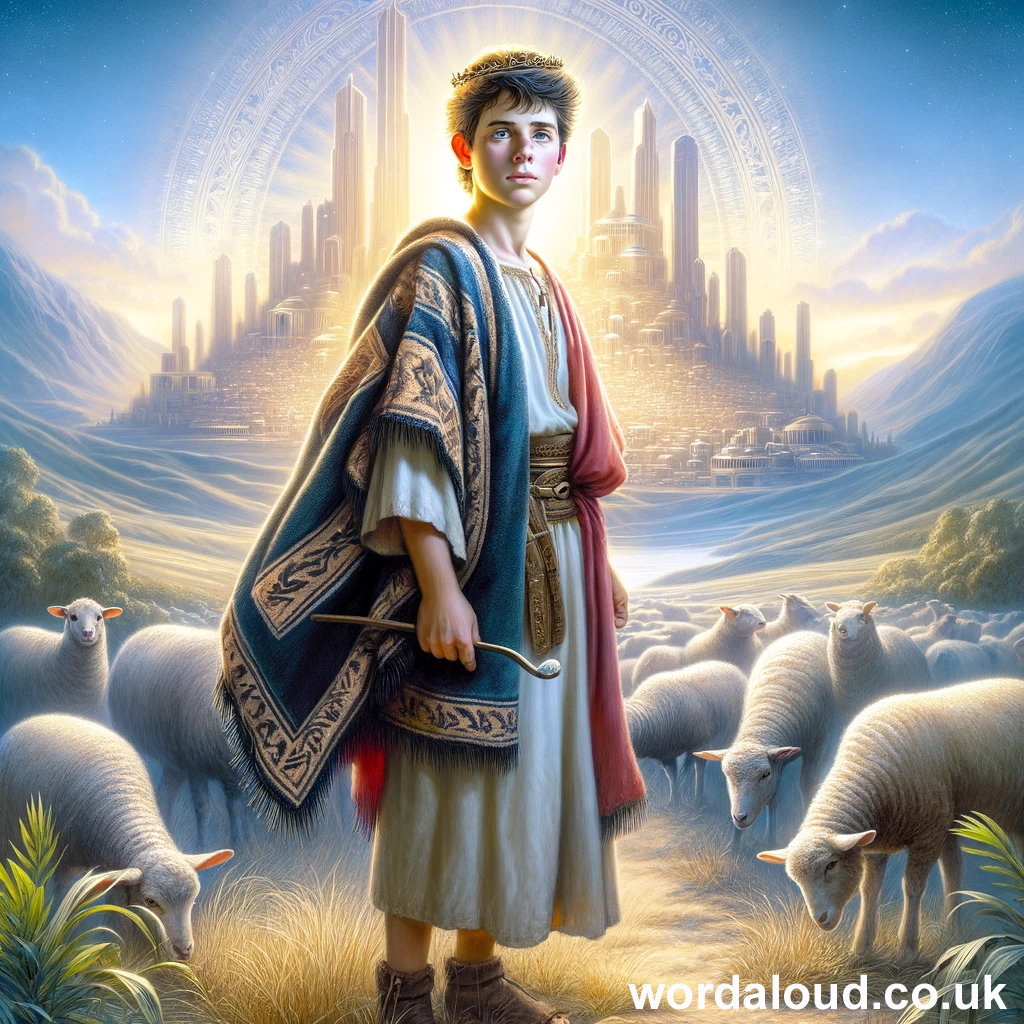
Psalm 121 is of the series of Psalms known as the ‘Songs of Ascents’ (Psalms 120-134). Traditionally, these psalms were sung by pilgrims ascending to Jerusalem for religious festivals. Psalm 121, in particular, has been a source of comfort, revered for its focus on God’s protection and providence [ … ]
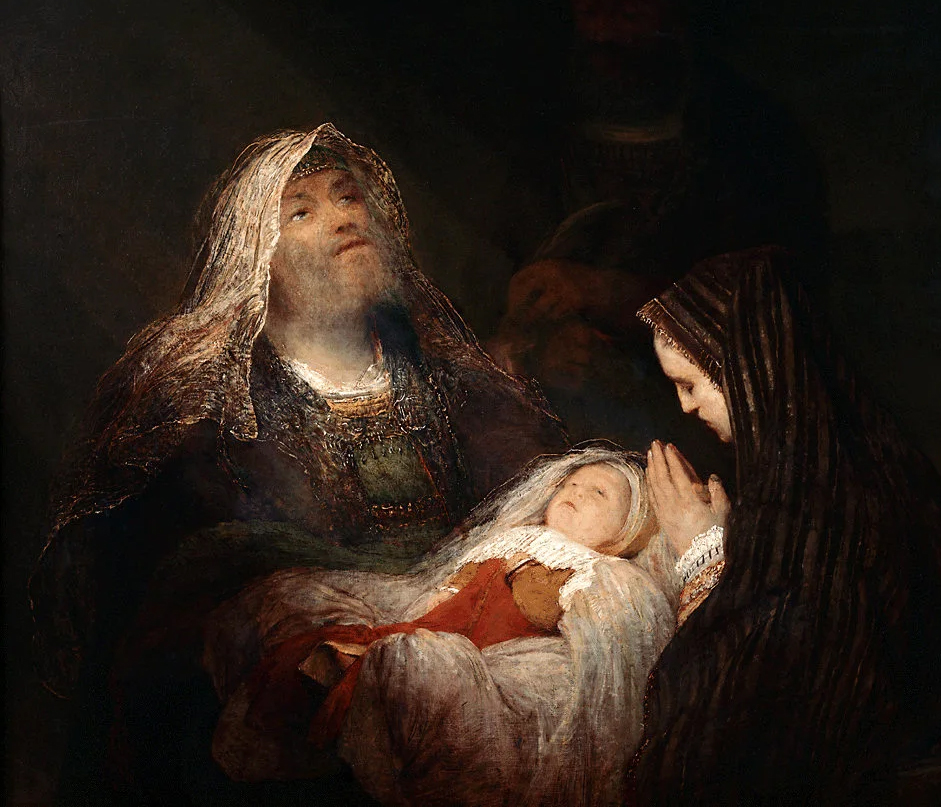
For the first Christian communities, almost all of them Jewish, the Benedictus would have been a song of joy, thanking God for His fulfilment of the promise of ages: God has visited his people and redeemed them. The faith of those early Christians is strong as they look back along the road they have travelled since Abraham, and forward to a time of peace, light, salvation [ … ]
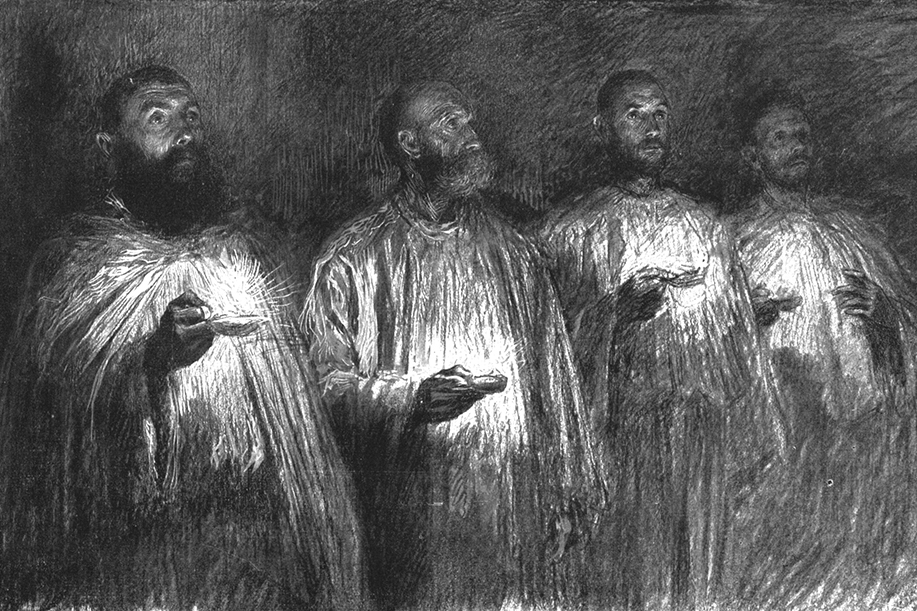
Jesus tells us to be vigilant. In Christ’s time, when the Jews would usually wear long, flowing garments, it was the practice to hitch them up, to gird oneself, in order to be ready to perform certain kinds of work. To gird oneself, therefore, and to keep lights burning, meant to be ready for action. Before the flight from Egypt, at the moment of the Passover, the Israelites had to gird themselves, to be ready to be able to leave immediately (Exodus 12:11) [ … ]
