
Christian Art | Jesus Christ | Crucifixion
Office Of Readings | Week 19, Monday, Ordinary Time | A Reading From The Treatise Of Theodoret Of Cyr On The Incarnation Of The Lord | I Shall Heal Their Wounds
‘I shall heal their wounds.’
Theodoret presents the suffering and death of Jesus as a deliberate act of obedience, not a tragic accident. Jesus is shown moving purposefully towards his passion, fully aware of what the Scriptures foretold. He warns his disciples in advance, rebukes Peter for resisting the idea of his suffering, and openly identifies himself to those who come to arrest him. Unlike earlier occasions when Jesus avoided capture, this time Jesus refuses to hide or defend himself.
The account dwells on the specific humiliations Jesus endured: being struck, spat upon, mocked, scourged, crowned with thorns, and crucified between criminals. Each detail is interpreted as carrying theological meaning. For example, the crown of thorns recalls the curse on Adam, where the ground would bear ‘thorns and thistles’ as a sign of toil and suffering. The vinegar and gall symbolise the bitterness and hardship of human life, which Jesus takes upon himself. Even the purple robe and reed used in mockery are read as signs — of his kingship and of the weakness of the devil’s rule.
Theodoret also links Jesus’ death to the ‘ancient curse’ of the law described by Paul in Galatians: ‘Cursed be everyone who hangs on a tree.’ Jesus, sinless yet treated as a sinner, bears the penalty that belonged to humanity, thus redeeming those enslaved to sin.
Finally, Theodoret draws a parallel between the piercing of Jesus’ side and the opening of Adam’s side in Genesis. From Adam’s side came Eve, who participated in humanity’s fall; from Christ’s side flow water and blood — understood as baptism and the Eucharist — which bring new life. The image connects the crucifixion to the sacraments, portraying the cross as the source of regeneration and nourishment for the Church.

A Reading From The Treatise Of Theodoret Of Cyr On The Incarnation Of The Lord | I Shall Heal Their Wounds
Of his own free will Jesus ran to meet those sufferings that were foretold in the Scriptures concerning him. He had forewarned his disciples about them several times; he had rebuked Peter for being reluctant to accept the announcement of his passion, and he had made it clear that it was by means of his suffering that the world’s salvation was to be accomplished. This was why he stepped forward and presented himself to those who came in search of him, saying: I am the one you are looking for. For the same reason he made no reply when he was accused, and refused to hide when he could have done so; although in the past he had slipped away on more than one occasion when they had tried to apprehend him.
Jesus also wept over Jerusalem because by her unwillingness to believe she was bent on her own ruin, and upon the temple, once so renowned, he passed sentence of utter destruction. Patiently he put up with being struck in the face by a man who was doubly a slave, in body and in spirit. He allowed himself to be slapped, spat upon, insulted, tortured, scourged and finally crucified. He accepted two robbers as his companions in punishment, on his right and on his left. He endured being reckoned with murderers and criminals. He drank the vinegar and the bitter gall yielded by the unfaithful vineyard of Israel. He submitted to crowning with thorns instead of with vine twigs and grapes; he was ridiculed with the purple cloak, holes were dug in his hands and his feet, and at last he was carried to the grave.
All this he endured in working out our salvation. For since those who were enslaved to sin were liable to the penalties of sin, he himself, exempt from sin though he was and walking in the path of perfect righteousness, underwent the punishment of sinners. By his cross he blotted out the decree of the ancient curse: for, as Paul says: Christ redeemed us from the curse of the law by becoming a curse for us; for it is written: ‘Cursed be everyone who hangs on a tree.’ And by his crown of thorns he put an end to that punishment meted out to Adam, who after his sin had heard the sentence: Cursed is the ground because of you; thorns and thistles shall it bring forth for you.
In tasting the gall Jesus took on himself the bitterness and toil of man’s mortal, painful life. By drinking the vinegar he made his own the degradation men had suffered, and in the same act gave us the grace to better our condition. By the purple robe he signified his kingship, by the reed he hinted at the weakness and rottenness of the devil’s power. By taking the slap in the face, and thus suffering the violence, corrections and blows that were due to us, he proclaimed our freedom.
His side was pierced as Adam’s was; yet there came forth not a woman who, being beguiled, was to be the death-bearer, but a fountain of life that regenerates the world by its two streams: the one to renew us in the baptismal font and clothe us with the garment of immortality, the other to feed us, the reborn, at the table of God, just as babes are nourished with milk.
Biography | Theodoret Of Cyr (c. AD 393 – c. 458)
Theodoret was a Christian theologian, bishop, and biblical commentator in the 5th century. Born in Antioch, in modern-day Syria, he received a classical education and was trained in the theological tradition of the Antiochene school, known for its emphasis on the literal and historical interpretation of Scripture.
Around 423, he became bishop of Cyr (also Cyrrhus), a small but strategically important diocese in northern Syria. As bishop, he was known for pastoral care, charitable works, and prolific theological writing, which included biblical commentaries, apologetic works, and treatises on Christology.
Theodoret played a prominent role in the theological debates of his time, especially during the Christological controversies following the Council of Ephesus (431). He defended the teaching of the Antiochene tradition against what he saw as extremes in Alexandrian theology, often in opposition to Cyril of Alexandria. This involvement led to accusations of supporting Nestorianism, although Theodoret himself denied the charge and affirmed the unity of Christ’s person.
He was briefly deposed during the Second Council of Ephesus in 449 (often called the ‘Robber Council’), but restored to his see after the Council of Chalcedon in 451, where he supported the definition of Christ as one person in two natures.
Theodoret’s writings remain significant for their careful exegesis, historical insight, and role in shaping the orthodox position established at Chalcedon. He died around AD 458.
Christian Prayer With Jesus Christ
Lord Jesus Christ,
you bore the weight of our sin without guilt of your own,
and met suffering not with avoidance but with steadfast love.
Through your cross you have broken the curse of death
and opened for us the way of life.
From your wounded side flow the waters of baptism
and the blood of the new covenant;
wash us, feed us, and keep us in your grace,
that we may live as those you have set free.
Amen.
Glossary Of Christian Terms
Passion – The suffering and death of Jesus, particularly the events from his arrest to his crucifixion.
Curse of the Law – A biblical phrase (Galatians 3:13) referring to the penalties under the Law of Moses for disobedience, understood by Christians as ultimately overcome by Christ.
Gall – A bitter substance; here symbolising the hardships and bitterness of human life that Jesus took upon himself.
Vinegar – Sour wine given to Jesus on the cross; interpreted as a sign of the degradation he bore.
Crown of Thorns – A mock crown placed on Jesus’ head during his trial; linked to the curse on the ground in Genesis.
Purple Robe – A garment used to mock Jesus as ‘King of the Jews,’ also associated with kingship in Roman culture.
Reed – Given to Jesus in mockery as a sceptre; here seen as symbolising the weakness of the devil’s rule.
Ancient Curse – The punishment and consequences of humanity’s fall in Genesis, understood as reversed through Christ’s death.
Piercing of the Side – The wound made by a soldier’s spear after Jesus’ death, from which blood and water flowed; seen as the source of the sacraments of baptism and the Eucharist.
Baptismal Font – The vessel or place where baptism is administered; symbol of new life in Christ.


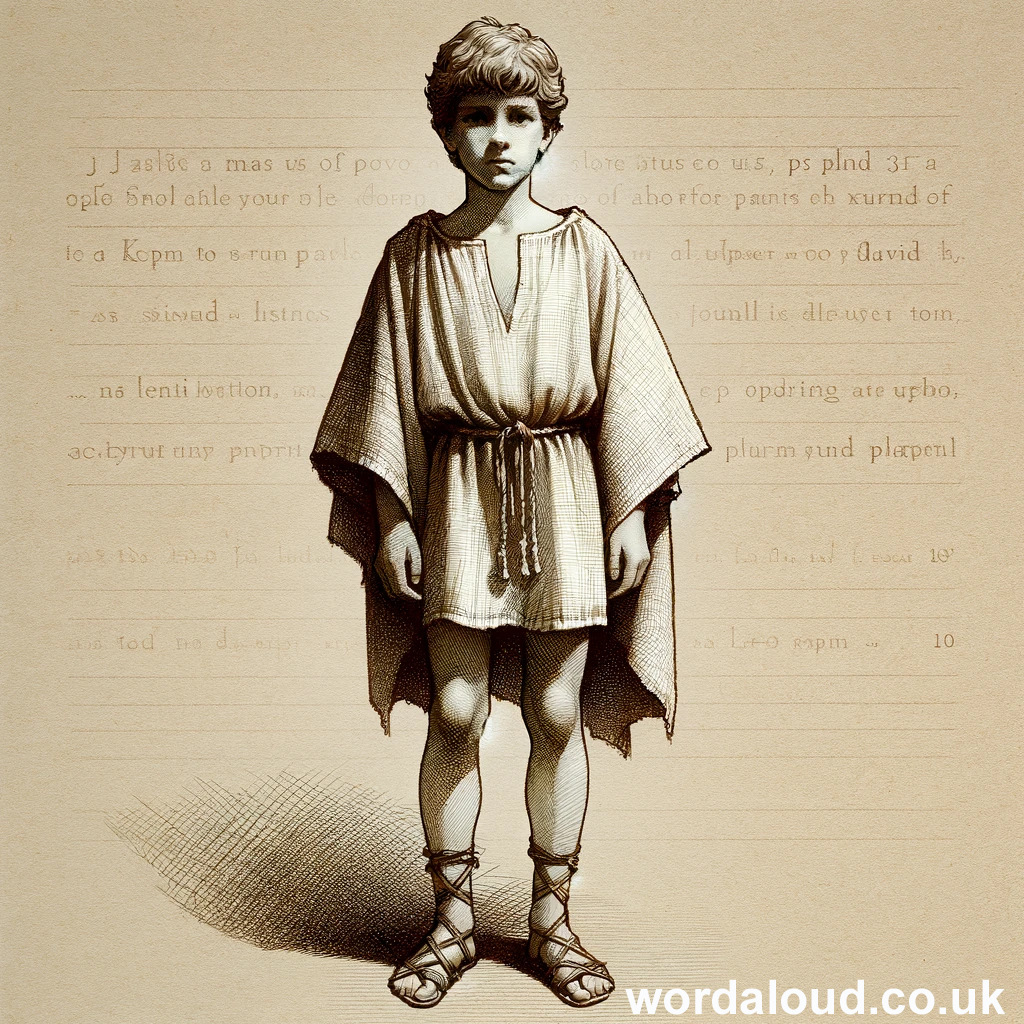
Psalm 138, a psalm of David, opens with a declaration of wholehearted praise. The psalmist commits to singing praises before the gods, a gesture of both defiance and faith. This act, set against a backdrop of a polytheistic world, underscores the psalmist’s devotion to the one true God [ … ]
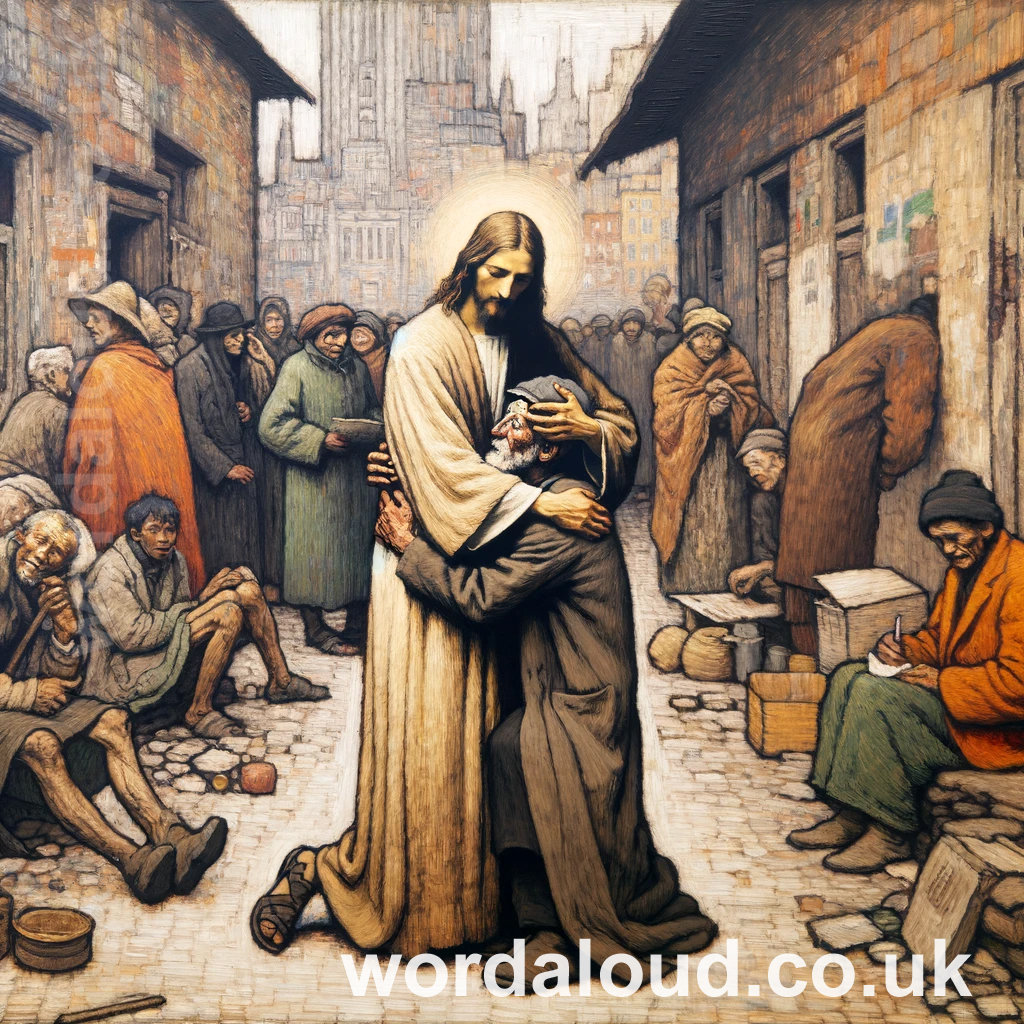
Dear Jesus, You have taught us the value of each person and the importance of justice. Open my eyes to see the suffering and injustice around me. Fill my heart with compassion and the desire to act. Help me to stand up for those who are oppressed and marginalized, to speak out against injustice, and to work tirelessly for a world that reflects your love and justice. Guide my steps and use my voice to bring about change. May your spirit of justice be my guide, and may I be a beacon of your love in a world that so desperately needs it [ … ]
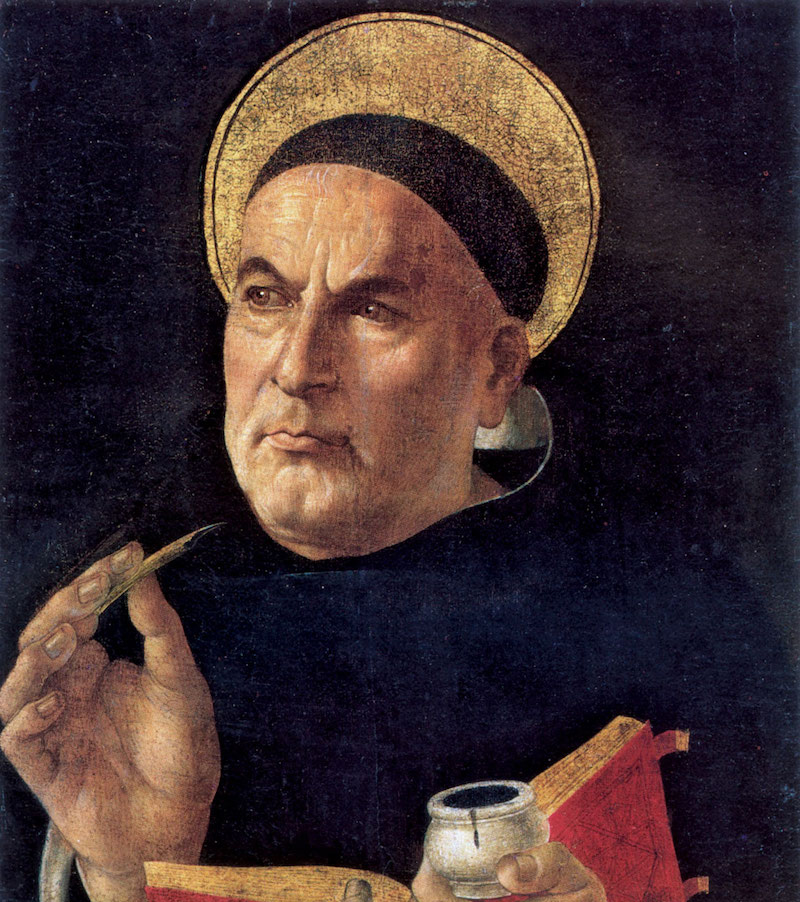
Saint Thomas Aquinas’ philosophy was grounded in Aristotelianism, but he was also heavily influenced by the works of Augustine. He sought to reconcile the insights of reason with the truths of revelation, arguing that faith and reason are complementary rather than contradictory [ … ]