
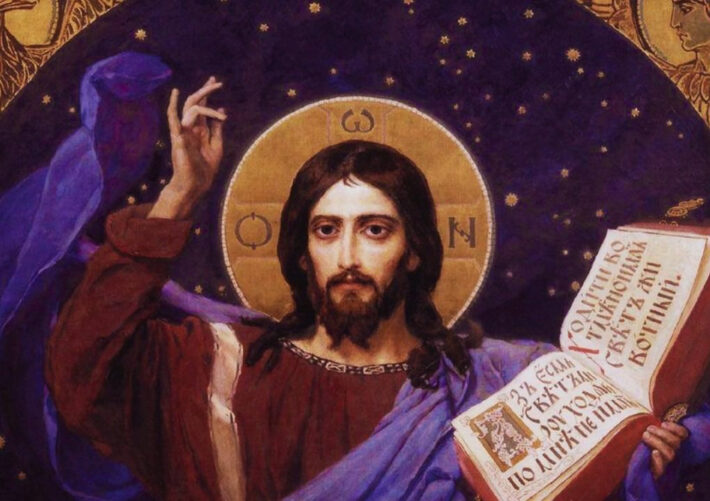
Christian Art | The Holy Spirit At Pentecost
John 16: 12-15 | King James Audio Bible | Daily Verses
12 I have yet many things to say unto you, but ye cannot bear them now.
13 Howbeit when he, the Spirit of truth, is come, he will guide you into all truth: for he shall not speak of himself; but whatsoever he shall hear, that shall he speak: and he will shew you things to come.
14 He shall glorify me: for he shall receive of mine, and shall shew it unto you.
15 All things that the Father hath are mine: therefore said I, that he shall take of mine, and shall shew it unto you.
We have heard Christ’s teachings, the clearest declarations of his divinity as God the Son, and his parables; we have witnessed his signs and miracles; and we have suffered and rejoiced through his death and resurrection. We know too that it is through the gift of the Holy Spirit that we are called to believe, and enabled to do so.
In these Bible verses, Jesus reveals some part of the truth of the mystery of the Trinity. Jesus tells us that, as everything the Father has belongs to the Son, and as everything the Son has belongs to the Father, so also the Spirit has what belongs to the Father and the Son, that is, the divine essence. The three persons of the Blessed Trinity are one. They are, indeed, the ultimate model of Christian brotherhood, and of the Church.
The coming of the Holy Spirit at Pentecost will bring clarity, truth and faith. It is through the action of the Holy Spirit that we glorify God. Inspired by the Holy Spirit, we recognize the Father through the Son. It is the gift of the Holy Spirit that enables our prayer. Through the gift of the Holy Spirit at Pentecost, the Revelation is made perfect and complete.
‘The days between the Lord’s resurrection and his ascension, my dear brethren, did not pass away to no purpose: great mysteries were established in them, and great truths revealed.
‘During these days fear of the horror of death was taken away, and the immortality of the body as well as the soul was made known. During them the Lord breathed on all his apostles and filled them with the Holy Spirit.’ Pope St Leo the Great
King James Audio Bible KJV | King James Version Endnotes
What Is The Holy Spirit?
The Holy Spirit is no mere theological concept or distant idea, rather a person, a living and active presence who empowers us to live out our faith in the world.
Saint Augustine saw the Holy Spirit as the bond of love between the Father and the Son, while Martin Luther emphasized the role of the Holy Spirit in bringing us to faith and keeping us in the faith.
In more recent times, theologians Karl Rahner and Jürgen Moltmann have explored the nature of the Holy Spirit. Rahner saw the Holy Spirit as the ‘transcendental horizon’ of human existence, while Moltmann emphasized the role of the Holy Spirit in bringing about social and political transformation.
As Christians, we believe that the Holy Spirit is the ‘living presence’ of God in our lives, guiding us, inspiring us, and sanctifying us. In the words of Pope Francis, the Holy Spirit ‘moves us, makes us walk, helps us to go forward in life and in the Christian vocation’ (Homily, 2015).
To understand the nature of the Holy Spirit is to keep in mind our journey in faith. As Pope Francis writes, ‘Faith is a response to the word of God, which invites us to entrust ourselves to him and to be transformed by his grace.’ (Lumen Fidei, 40) In other words, faith is not just a matter of intellectual assent, but a lived experience that involves our whole being.
The Holy Spirit Changes Us
As Christians, we are called to be open to the workings of the Holy Spirit in our lives. This means being willing to step out of our comfort zones and to follow where the Spirit leads us, even if it means taking risks or going against the prevailing culture.
In the words of Pope Francis, ‘The Holy Spirit upsets us because it moves us, it makes us walk, it pushes the Church forward. And we are like Peter at the Transfiguration: “Ah, how wonderful it is to be here like this, all together!”… But don’t bother the Holy Spirit; let him continue to upset us, but always to move us forward’ (Homily, 2013)
This call to openness and transformation can be challenging, but it is also deeply rewarding. As we allow ourselves to be guided by the Holy Spirit, we are transformed from within, and we become more fully the people that God has called us to be.
In the words of Saint Paul, ‘For all who are led by the Spirit of God are children of God.’ (Romans 8:14) As children of God, we are called to live lives of love, compassion, and service, and to be agents of God’s love and grace in the world.
Our understanding of the Spirit is not fixed or static. Rather, it is something that grows and evolves over time, as we deepen our relationship with God and with one another.
In the words of Pope Francis, ‘The Holy Spirit is the living presence of God in the Church. He keeps the Church going, keeps the Church moving forward. More and more, beyond the limits, onwards. The Holy Spirit with his gifts guides the Church. You cannot understand the Church of Jesus without this Paraclete, whom the Lord sends us for this very reason.’ (Homily, 2013)
This understanding of the Holy Spirit as a dynamic and living presence is echoed in the teachings of many theologians throughout the centuries. For example, in the words of medieval theologian Thomas Aquinas, ‘The Holy Spirit is called the love of God…because He unites and links us to God, and communicates to us the love by which He loves Himself.’ (Summa Theologica)
Protestant theologian Karl Barth described the Holy Spirit as ‘the third mode of the divine being’ (Church Dogmatics), emphasizing the Spirit’s essential role in bringing about God’s redemptive work in the world.



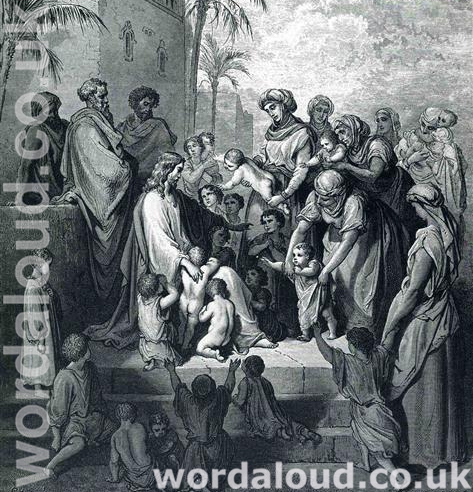
In his discussion of the beatitudes, Leo Saint Leo the Great moves from the promise made to the pure of heart (‘they shall see God’) to the blessing of the peacemakers (‘they shall be called sons of God’ Matthew 5:9). He links the two by noting that only a purified heart can receive the vision of God without pain, for the divine light that consoles the pure would be torment for those who cling to sin. The cleansing of the soul, therefore, prepares for both vision and peace [ … ]
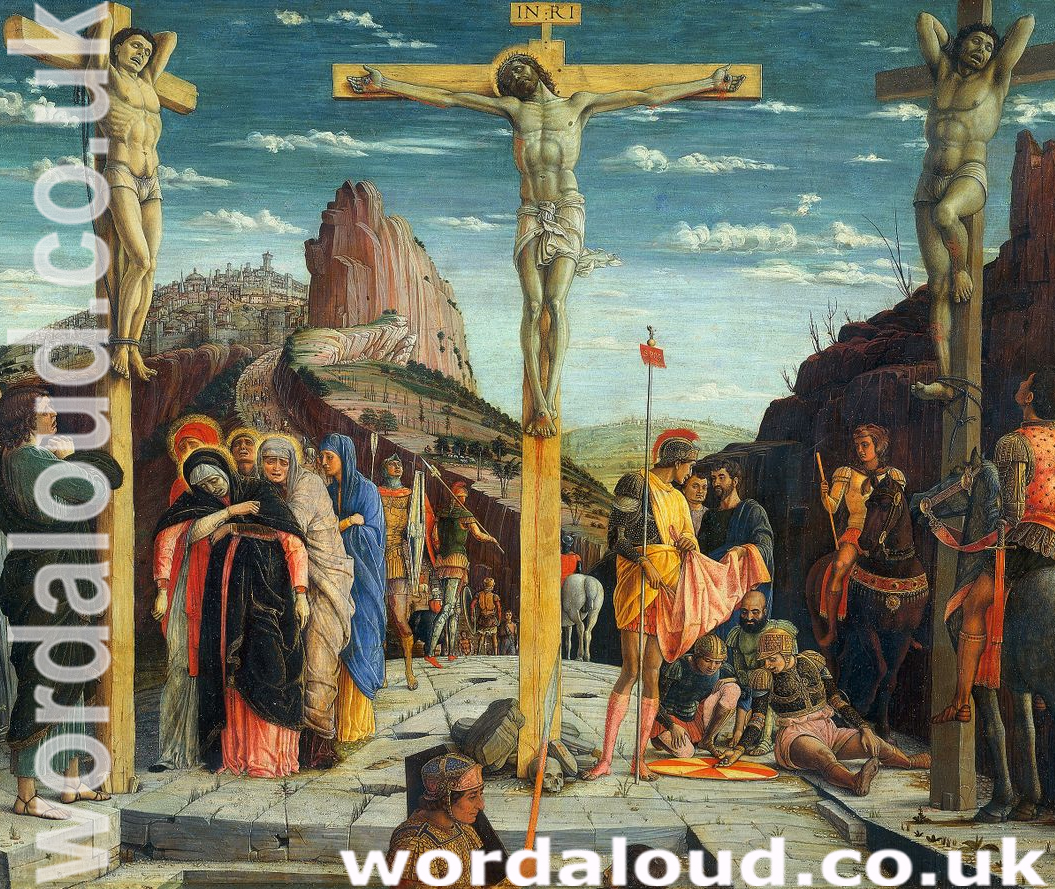
Christian Art | Our Lord Jesus On The Cross | God The Father | God The Son Office Of Readings | Advent December 23rd | A Reading From The Treatise Of Saint Hippolytus Against The Heresy Of Noetus | The Hidden Sacrament Is Revealed ‘The hidden sacrament is revealed.’ In this reading, Saint Hippolytus writes against the Noetic heresy, which denied the real distinction between the Father and the Son by treating them as the same person acting under different names. The purpose of Saint Hippolytus is to defend the Church’s confession of one God who is not solitary, but who exists with his Word and Spirit. Hippolytus begins by setting a principle: knowledge of God comes from the Holy Scriptures, not from speculation or private reasoning. Faith is not shaped by human preference but by what God has chosen to reveal. The Father determines how He is believed, the Son how He is glorified, and the Spirit how He is received. This establishes Scripture as the rule of faith and guards against theological invention. Hippolytus then affirms that God existed alone before creation, with nothing co-eternal alongside Him. At the same time, God was not without reason, wisdom, or power. Hippolytus insists that plurality within God does not compromise divine unity. God contains within himself Word, wisdom, and counsel. Creation begins when God wills and manifests His Word. The Word is not created from nothing but proceeds from God and acts as the agent of creation. The Word is first invisible to the created world, though known to God. When God chooses, He makes the Word visible, described as ‘Light of Light’. This language safeguards both distinction and unity: the Word comes from God and reveals God, without being separate from Him. The manifestation of the Word is ordered towards salvation, so that the world may see and be saved. Hippolytus identifies this Word clearly with the Son of God. Through him all things were made, and he alone comes forth from the Father. The Law and the prophets belong to the same saving plan. God speaks through them by the Holy Spirit, so that they proclaim not their own ideas but the Father’s will. Revelation is therefore coherent: creation, prophecy, and incarnation belong to one divine purpose. Hippolytus appeals to the Gospel of John to show continuity between prophecy and fulfilment. The Word spoken of by the prophets is the Word made flesh. Though the world was made through him, it failed to recognise him. This failure does not negate God’s plan but reveals the depth of the mystery now disclosed. A Reading From The Treatise Of Saint Hippolytus Against The Heresy Of Noetus | The Hidden Sacrament Is Revealed There is, brethren, one God, the knowledge of whom we gain from the Holy Scriptures and from no other source. Whatever things the Holy Scriptures declare, at these let us look; and whatever they teach, let us learn it; and as the Father wills our belief to be, let us believe; and as he wills the Son to be glorified, let us glorify him; and as he wills the Holy Spirit to be bestowed, let us receive him. Not according to our own will, nor according to our own mind, nor yet storming by force the things which are given by God, but even as he has chosen to teach them by the Holy Scriptures, so let us discern them. God, subsisting alone, and having nothing coeval with himself, chose to create the world. And conceiving the world in mind, and willing and uttering the Word, he made it; and at once it appeared, formed it in the way he desired. For us it is sufficient simply to know that nothing was coeval with God. Outside him there was nothing; but he, while existing alone, yet existed in plurality. For he did not lack reason, or wisdom, or power, or counsel. All things were in him, and he was the All. At a time and in a manner chosen by him he made his Word manifest, and through his Word he made all things. He bears this Word in himself, as yet invisible to the created world. He makes him visible, uttering the voice first, and begetting him as Light of Light. He presents him to the world as its Lord; and whereas the Word was visible formerly to God alone, and invisible to the world which is made, God makes the Word visible in order that the world might see him and be able to be saved. This is the mind which came forth into the world and was manifested as the Son of God. All things came into being through him, and he alone comes from the Father. He gave us the Law and the prophets; and in giving them, he made them speak by the Holy Ghost, in order that, receiving the inspiration of the Father’s power, they might declare the Father’s counsel and will. Thus, then, was the Word made manifest, even as the blessed John says. For he sums up the things that were said by the prophets, and shows that this is the Word, by whom all things were made. In the beginning was the Word, and the Word was with God, and the Word was God. All things were made by him, and without him nothing was made. And later, The world was made by him, and the world did not know him; he came to his own, and his own did not receive him. Christian Prayer With Jesus Lord God,You are one, and from You come the Word and the Spirit.You have chosen to make Yourself known, not by human effort,but by what You have revealed in the scriptures. You spoke Your Word, and all things were made.You made that Word visible, so that the world might see and be saved.Grant that we may receive what You give,believe what You teach,and worship You as You have shown Yourself to be. Keep us […]

Jesus’ rebuke of the scribes and the Pharisees continues in today’s Gospel verses. Woe unto you – hypocrites. Jesus’ hard condemnation of the scribes and the Pharisees centres upon hypocrisy as upon clerical abuse. These two evils erode life together within the practice of the scribes and the Pharisees [ … ]
