
Christian Art | George Herbert | The Temple | The Church | Jordan (1)
George Herbert | The Temple | The Church | Jordan (1)
Who sayes that fictions onely and false hair
Become a verse? Is there in truth no beautie?
Is all good structure in a winding stair?
May no lines passe, except they do their dutie
Not to a true, but painted chair?
Is it no verse, except enchanted groves
And sudden arbours shadow course-spunne lines?
Must purling streams refresh a lovers loves?
Must all be vail’d, while he that reades, divines,
Catching the sense at two removes?
Shepherds are honest people; let them sing:
Riddle who list, for me, and pull for Prime:
I envie no mans nightingale or spring;
Nor let them punish me with losse of ryme,
Who plainly say, My God, My King

George Herbert | The Temple | The Church | Jordan (1)
This poem challenges the convention that poetry must rely on embellishment, elaborate imagery, or artifice to be meaningful or beautiful. Herbert begins with rhetorical questions that critique the idea that only fiction or outward, artificial beauty can be the subjects of verse: ‘Who says that fictions only and false hair / Become a verse? Is there in truth no beauty?’ This opening begins the thought of Herbert’s argument that truth and simplicity have their inherent worth in poetry.
The ‘winding stair’ implies a complex, intricate structure, often associated with ornate and metaphorical writing. Herbert questions whether poetry must always conform to such elaborate forms. Herbert implies that lines should be able to stand on their own for their substance, not merely for their conformity to decorative conventions.
The second stanza explores prevalent use of pastoral and romantic imagery in poetry: ‘enchanted groves’ and ‘purling streams’. Herbert challenges the notion that a poem must rely on such stereotypical elements or that the meaning should be hidden behind veils of interpretation (‘Must all be veiled, while he that reads, divines, / Catching the sense at two removes?’) This critique suggests that poetry’s meaning should not be so obscured that readers have to guess or piece it together indirectly.
In the third stanza, Herbert invokes a simplicity and honesty of shepherds as a metaphor for direct and sincere expression. Shepherds are depicted as ‘honest people’, contrasting with the overly ornate and affected style the poet criticizes. Herbert asserts his preference for straightforward expression over complex, metaphor-laden writing that seeks to impress through its artifice.
The verse, ‘Riddle who list, for me, and pull for Prime,’ implies that those who wish to focus on puzzles and linguistic displays are free to do so, but Herbert finds no envy in their nightingales (symbolizing elaborate, melodious poems) or their idealized springs (representing traditional poetic beauty). Instead, he states, ‘Nor let them punish me with loss of rhyme, / Who plainly say, My God, My King.’
Here, Herbert affirms value of plain, sincere expression, rooted in personal faith and direct communication. The final declaration underscores the theme of the poem: poetry that truthfully expresses devotion or deep sentiment does not need the embellishments of fiction or excessive ornamentation to be profound or valid.
The poem presents an argument for merit of unadorned, truthful expression in verse, advocating clarity and sincerity over complexity and artifice. Herbert’s allegiance to simplicity, especially in the context of spiritual or religious verse, is a reflection on the nature of poetic authenticity. The concluding line emphasizes that devotion and the plain acknowledgment of ‘My God, My King’ are as worthy of being immortalized in verse as any intricately constructed allegory or romantic ideal.


The poem explores relationship between human grief and divine presence. The poem opens with an image of the heart heaving, which leads Herbert to recognize God’s role in guiding sorrow. This recognition transforms grief from chaos into something governed. The rod of suffering becomes a scepter, suggesting authority and purpose in the experience of pain. Without God’s involvement, Herbert believes his grief would have overwhelmed him entirely [ … ]
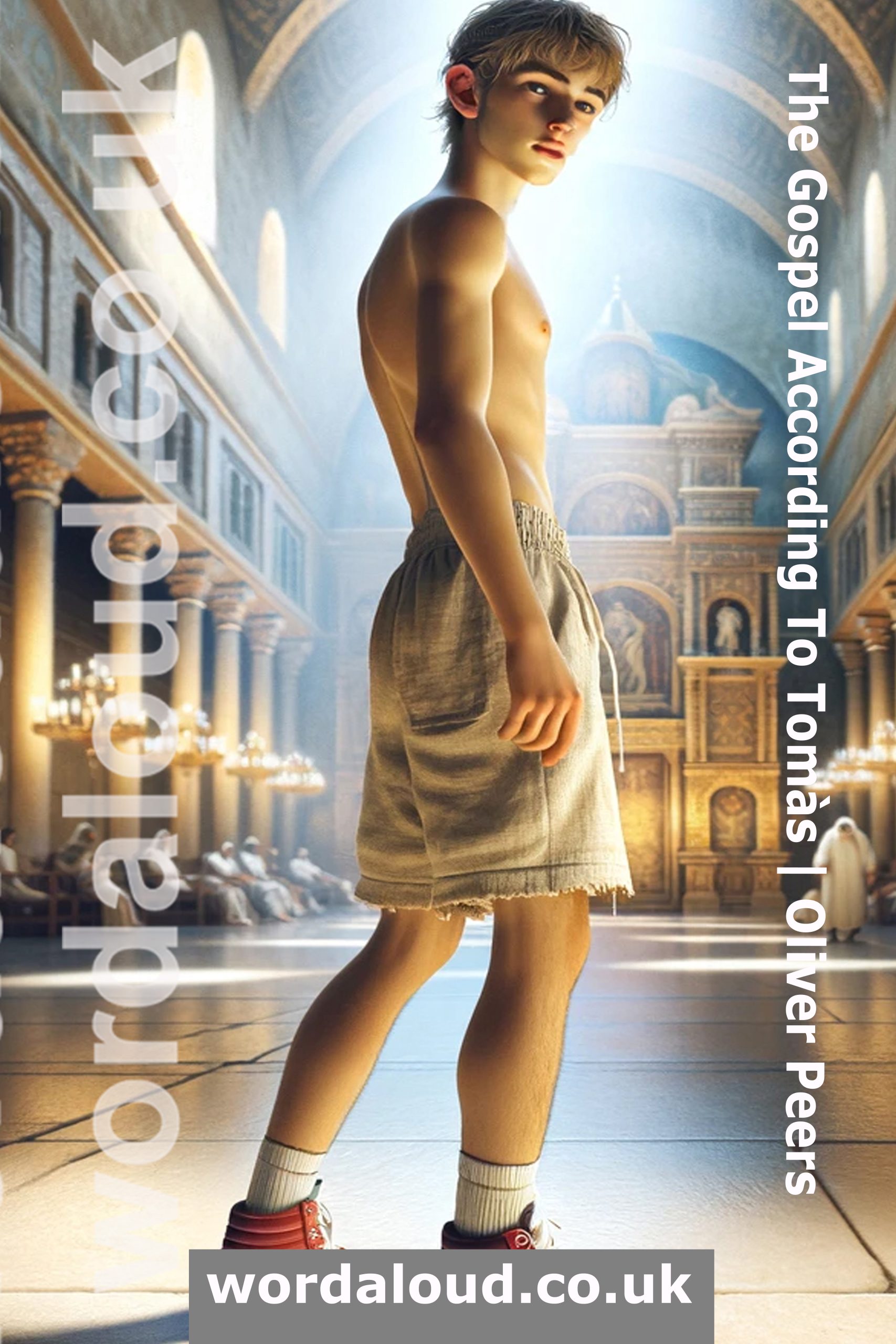
Tomàs is in trouble. If truth is love and love is truth, then the Church is wrong. A time in seminary…
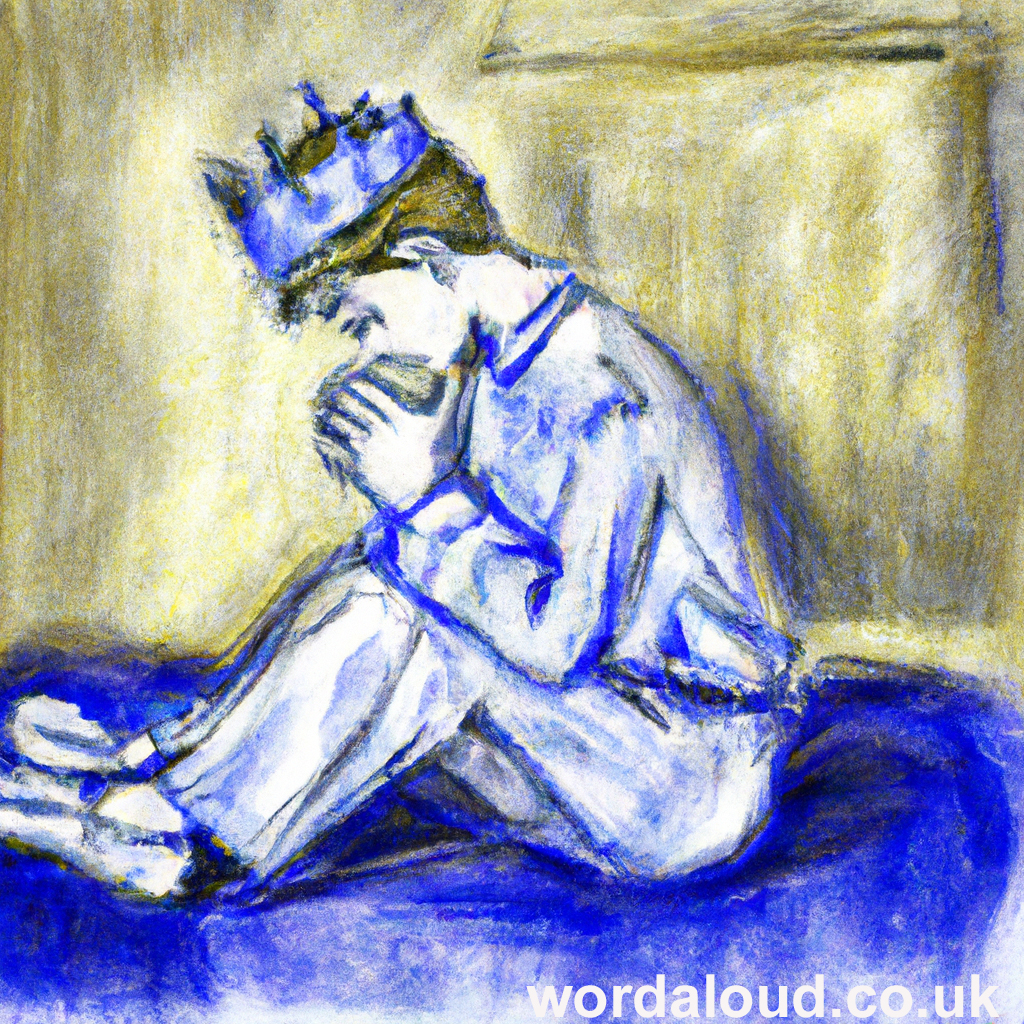
Psalm 56 is a heartfelt prayer and an expression of profound trust in God amid distress and persecution. The psalmist begins by pleading for God’s mercy, feeling besieged by adversaries who seek to oppress and swallow him up. This prayer encapsulates the psalmist’s raw emotions and the desire for divine intervention in the face of adversity [ … ]